You know how sometimes your brain just goes into overdrive? Like, you can’t stop thinking about that embarrassing moment from years ago?
Well, that kind of relentless thought spiral is something people with OCD experience all the time. But guess what? There’s another layer to this mental maze, and it connects to schizophrenia. It’s wild how our minds work in such tricky ways.
Both these conditions can mess with how we see reality and process thoughts. And yeah, they’re pretty different, but there are some surprising overlaps. It’s fascinating and a little mind-bending.
So let’s unravel this thing together. We’ll explore the intersections of OCD and schizophrenia—what makes them tick, where they clash, and maybe even shed some light on the journey for those dealing with them. You with me?
Effective Strategies for Managing Schizophrenia in Individuals with OCD
Managing schizophrenia in individuals with OCD can seem like a real puzzle. Both conditions have distinct features, but they can overlap in ways that make treatment tricky. So, let’s break this down.
Understanding the Intersection
Schizophrenia is mainly about serious disruptions in thinking, mood, and behavior. It can lead to hallucinations or delusions. On the other hand, OCD involves obsessive thoughts and compulsive behaviors that can feel overwhelming. When someone has both, it’s like riding a rollercoaster with ups and downs that never seems to end.
Effective Strategies
Here’s where some effective strategies come into play:
- Medication Management: Finding the right mix of medications is crucial. Antipsychotic medications can help with schizophrenia symptoms, while SSRIs might be used for OCD. Your doctor can help tailor a plan.
- Therapeutic Approaches: Cognitive Behavioral Therapy (CBT) works well for OCD by challenging and changing unwanted thoughts and behaviors. For schizophrenia, supportive therapy can build coping skills.
- Mindfulness Techniques: Practicing mindfulness can ground individuals when they’re feeling overwhelmed by either condition. Deep breathing or guided imagery helps tune out some of the noise in their minds.
- Routine and Structure: Creating a daily routine offers stability which is super helpful for anyone dealing with mental health issues. Structure gives a sense of control and predictability.
- Support Networks: Building a strong support system is key! Friends or family who understand both conditions provide encouragement and reduce feelings of isolation.
Coping Mechanisms
It’s really important for individuals to develop personal coping mechanisms too. For example:
– Keeping a journal might help someone express their thoughts without feeling judged.
– Art therapy could be another outlet; creativity often provides relief.
– Regular physical activity is also huge! Getting moving releases endorphins which can improve mood.
Anecdote Time
I once knew someone named Alex who had both schizophrenia and OCD. Alex often felt trapped by racing thoughts from both conditions; it was tough to find peace. But over time, using therapy along with medication helped him carve out a path toward stability. By journaling every day and finding hobbies he loved—like painting—he started feeling more in control.
So remember, managing these conditions isn’t one-size-fits-all; it takes time! Patience goes hand-in-hand with each step toward finding what works best for you or someone you care about.
In short: understanding both disorders is your first step towards effective management strategies that lead to better quality of life!
Understanding OCD Delusions: Real-Life Examples and Insights
OCD, or Obsessive-Compulsive Disorder, can sometimes lead to pretty intense delusions. These aren’t like the classic hallucinations that someone with schizophrenia might experience, but they can feel just as real to the person going through it. Let’s break this down a bit.
First off, a delusion is basically a false belief that someone holds on to despite evidence that contradicts it. In OCD, these delusions often revolve around intrusive thoughts that might make you think something terrible will happen if you don’t perform certain rituals or compulsions. You know what I mean? It’s like your mind is stuck on a loop of “what if?” scenarios.
Imagine this: Say you’re convinced that if you don’t check the stove twenty times before leaving the house, there will be a fire. You check it again and again; your hands get sore from turning knobs. The fear becomes so consuming that rational thoughts—like knowing there’s no way you left it on—go right out the window.
Now, let’s look at some real-life examples.
- The Germ Phobia: Someone with OCD might believe that touching a doorknob could lead to serious illness. They end up washing their hands obsessively or avoiding any public places.
- The Harm Intrusion: A person may develop a delusion that they’re going to hurt someone close to them just by thinking about it. To combat this fear, they might engage in rituals like counting or repeating phrases until they feel «safe.»
- The Perfectionism Trap: Some folks feel like everything must be perfectly organized or else something catastrophic will occur. This creates massive anxiety around small tasks—you may even hear things being rearranged multiple times before someone feels okay.
Connecting OCD and schizophrenia feels tricky because both involve distorted realities but in different ways. While people with schizophrenia often experience hallucinations—seeing or hearing things that aren’t there—those with OCD have persistent worries and compulsions driven by their thoughts.
But here’s another layer: People with OCD sometimes experience what are called «OCD-related delusions.» Like when an obsession morphs into a full-blown belief system where everything ties back to their fears. It can mess with how they see everyday situations.
For example, consider someone who thinks they have caused harm due to their thoughts alone; this could lead them into spirals of guilt and anxiety over minor decisions—like talking too loud at dinner! They might become consumed by fear about how even innocent actions may affect others negatively.
In summary, understanding OCD delusions requires empathy and patience on everyone’s part: families, friends, and professionals alike. Recognizing the struggle against intrusive thoughts and compulsions is essential—it’s not merely an irritating habit but rather something deeply woven into the fabric of someone’s reality at times.
So next time you hear about OCD, remember that those obsessions can create *very* real delusions for people dealing with this condition—something we should all aim to understand better!
Understanding Comorbidity: OCD and Schizophrenia – Insights and Implications
Understanding comorbidity, especially when we are talking about conditions like Obsessive-Compulsive Disorder (OCD) and Schizophrenia, can be quite complex. It’s like trying to solve a puzzle with missing pieces. Both conditions have their own unique challenges, but when they occur together, it’s a whole different ball game.
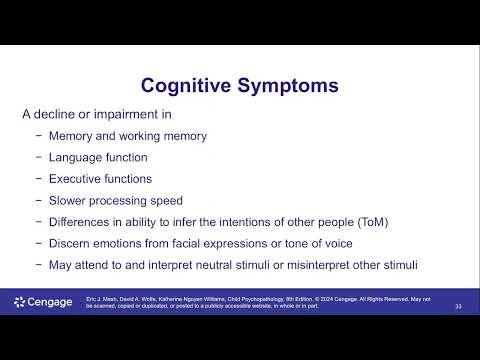
OCD is marked by repetitive thoughts and behaviors, like feeling the need to wash your hands an endless number of times or repeatedly checking if the door is locked. On the other hand, schizophrenia often involves symptoms like hallucinations or delusions—basically, seeing or hearing things that aren’t really there, or having strong beliefs that don’t align with reality.
Now, let’s break down how these two can intertwine:
- Shared Symptoms: Some symptoms of OCD might overlap with certain aspects of schizophrenia. For example, both can involve intrusive thoughts. This can make diagnosis tricky.
- Coping Strategies: People with OCD often have rituals they perform to relieve anxiety. In contrast, someone with schizophrenia might develop their own coping mechanisms that don’t necessarily align with reality.
- Treatment Challenges: Treating individuals dealing with both disorders requires careful consideration. Medications that help one condition might not work as well for the other.
- Increased Severity: When someone has both OCD and schizophrenia, the intensity of their symptoms can increase. The obsessive thoughts might get even louder and more distressing.
You know how sometimes you feel overwhelmed by multiple worries? Imagine having persistent fears (like in OCD) while also grappling with realities that aren’t quite real (like in schizophrenia). It can feel isolating for those living through it.
One thing to keep in mind is how **important early intervention** is. The sooner someone gets help for these overlapping issues, the better chance they have at managing their symptoms effectively.
Anecdote time! Picture a young artist named Sam who always loved to draw but found himself stuck in loops of anxiety over his work being perfect—classic OCD behavior. He began hearing voices critiquing his art harshly—an aspect more aligned with schizophrenia. Sam felt trapped between his desire to create and the chaos within his mind.
To sum it up: understanding comorbidity between OCD and schizophrenia isn’t just about knowing more about each disorder individually; it’s really about grasping how they interact and impact lives together. This interaction definitely highlights the need for tailored treatment approaches because one size doesn’t fit all when you’re dealing with such complex mental health issues!
You know, when we think about OCD and schizophrenia, it can be easy to assume they’re worlds apart. One feels like a constant loop of worries and compulsions, while the other can throw you into a reality that feels… well, kinda warped. However, they do intersect in some interesting ways.
Take OCD, for instance. It often revolves around intrusive thoughts that cause anxiety, leading you to perform certain actions or rituals to ease that discomfort. It’s like this pesky little voice whispering doubts into your ear: “Did I lock the door? What if something bad happens because I didn’t?”
Now, with schizophrenia, things get more complex. It can manifest through hallucinations or delusions—basically distorting how someone perceives reality. Imagine living in a world where what you see and hear doesn’t match up with others’ experiences. That would be intense!
But here’s where it gets intriguing: people with OCD might sometimes have similar obsessive thoughts to those who experience delusions in schizophrenia. The difference is really about how these thoughts are perceived and handled. With OCD, folks usually recognize their thoughts as irrational but feel compelled to act anyway. In contrast, someone facing delusions may genuinely believe their thoughts are true.
I remember reading about a guy who struggled with both conditions—OCD made him obsess over germs so much that he’d wash his hands raw for hours, while schizophrenia introduced these vivid hallucinations where he thought people were sneaking up on him all the time. He felt trapped between the compulsions of his mind and the chaotic reality around him.
Sometimes it’s hard for people to understand how these conditions interact without living through them themselves. You might think that one cancels out the other; like having two different radio stations playing at once—confusing and jarring! But many individuals navigate both paths simultaneously.
What really strikes me is how crucial empathy becomes in these situations. The stigma surrounding mental health can make it difficult for those struggling to share their experiences or seek help openly. Learning about these intersections not only broadens our understanding but also opens the door for more compassionate conversations around mental health.
So yeah, while OCD and schizophrenia have their unique characteristics and challenges, they also show us just how intricate human psychology can be—a real maze of emotions and perceptions! And letting go of simple labels could lead us toward deeper compassion for folks on their journeys through these intertwined struggles.