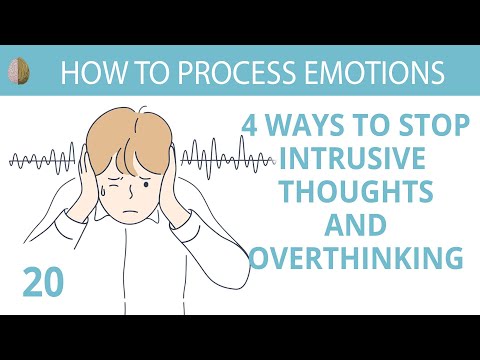
You know those moments when your brain suddenly goes off on a weird tangent? Like, you’re just minding your own business, and then—bam! An odd thought pops in that totally throws you off?
Well, for some folks, those thoughts aren’t just annoying. They can be a real struggle. That’s where OCD steps in. Intrusive thoughts can feel overwhelming, like they’re crashing a party you never wanted to throw in the first place.
But guess what? You’re definitely not alone in this. Many people experience this, and there are ways to understand it better. Let’s chat about what these thoughts really are and how they fit into the bigger picture of OCD.
Effective Strategies for Managing Intrusive Thoughts in OCD: A Comprehensive Guide
Well, intrusive thoughts can feel like those uninvited guests that just won’t leave the party, right? If you’ve got OCD, these thoughts might pop up more often than you’d like. But don’t worry; there are some effective strategies to help manage them. Let’s break it down.
1. Understand Your Thoughts
First off, it’s key to recognize that intrusive thoughts are just that—thoughts. They don’t define who you are. Imagine your brain is a busy highway and these thoughts are like cars cutting in unexpectedly. They might be annoying but they can pass by without causing a crash.
2. Practice Mindfulness
Mindfulness is about being present without judgment. You know how sometimes you hear a catchy tune and just vibe with it? Mindfulness works similarly; rather than getting caught up in your thoughts, observe them from a distance. Picture your thoughts floating by like clouds—acknowledge them but don’t grab onto them.
3. Challenge the Thoughts
When an intrusive thought creeps in, ask yourself: “Is this thought really true?” For instance, if you think, “If I don’t check the door ten times, something bad will happen,” challenge it! Remind yourself of times when you didn’t check and everything was totally fine.
4. Avoid Compulsions
Compulsions are those rituals we do to try to ease the anxiety that comes with those nagging thoughts. If you find yourself washing your hands over and over or counting objects, notice how they make you feel afterward. Often, they provide only temporary relief and can keep the cycle going.
5. Create a Thought Diary
Writing down those pesky thoughts can give you some perspective! When you jot down what you’re feeling and what triggered it, you help to deconstruct the thought in a way that makes it less overwhelming.
- Date: When did this thought occur?
- Description: What exactly were you thinking?
- Affects: How did it make you feel?
- Your Response: What did you do about it?
This is about taking back control one thought at a time!
6. Seek Support
Talk about what you’re feeling with someone who gets it—friends, family or support groups can be super helpful! Just sharing your experience can lighten the load a bit; it’s all about not going through this alone.
The thing is—managing intrusive thoughts isn’t always easy or straightforward but with patience and practice, there’s definitely hope! It’s kind of like learning to ride a bike; at first, it’s wobbly and scary but eventually gets smoother as time goes on.
Just remember: You’re not alone in this battle against your mind’s tricky little games!
Understanding the Impact of Lexapro on Intrusive Thoughts: Efficacy and Insights
Understanding Lexapro: So, Lexapro, which is a brand name for escitalopram, is an SSRI (selective serotonin reuptake inhibitor). It’s commonly prescribed to treat anxiety and depression. But it’s also been found to be helpful for people dealing with obsessive-compulsive disorder (OCD) and its pesky intrusive thoughts.
Now, these intrusive thoughts can be super annoying. They’re like unwanted guests that just won’t leave. You know? They can range from worrying about harm coming to others, to feeling the need to check things repeatedly. It can really mess with your day-to-day life!
How Lexapro Works: Basically, Lexapro helps increase serotonin levels in the brain. Serotonin is a neurotransmitter that plays a key role in mood regulation. By boosting this chemical, you might find yourself feeling less anxious and more balanced. Sounds good, right?
However, you might wonder: “Does it directly affect those annoying thoughts?” Well, studies have shown that SSRIs like Lexapro can help decrease the frequency and intensity of intrusive thoughts over time.
Efficacy in Treating Intrusive Thoughts: Here’s where it gets interesting! Research indicates that people taking Lexapro often report a reduction in their OCD symptoms, including those troubling thoughts. Now, not everyone reacts the same way—some might feel relief within weeks while others may need several months.
- Dosage matters: Finding the right dose can be crucial. Sometimes it takes a bit of tweaking.
- Combine with therapy: Using medication along with cognitive-behavioral therapy (CBT) tends to yield better results.
- Side effects are real: Don’t overlook them! Some folks experience side effects like nausea or fatigue.
Just picture someone who had constant worries about germs or accidents. After starting Lexapro and attending therapy sessions regularly, they noticed those pesky thoughts popping up less frequently—and when they did come around? They didn’t feel as distressing as before.
The Importance of Patience: One thing to keep in mind is that medications often take time to build up in your system and show their full effect. If you’re feeling frustrated waiting for changes, talk to someone about how you’re feeling!
Many people find comfort knowing that they’re not alone in this battle against intrusive thoughts. Whether it’s through medication like Lexapro or through supportive therapists and friends—there’s hope out there.
In summary: if you’re grappling with OCD and those relentless intrusive thoughts are bringing you down, consider chatting with a professional about options like Lexapro paired with CBT. You never know how much lighter life could feel once you find strategies that work for you!
Understanding the Connection Between OCD and Compulsive Googling: Insights and Implications
OCD, or Obsessive-Compulsive Disorder, is tough to deal with. You might have these pesky, intrusive thoughts that just won’t leave you alone. The thing is, these thoughts can lead to actions that seem almost automatic—like compulsive googling. So how does this all connect? Let’s break it down.
First, let’s talk about those intrusive thoughts. Imagine you’re sitting there, and suddenly an anxious thought pops into your head, maybe about something unsafe happening to a loved one. It’s like a tiny alarm going off in your brain. Your mind starts racing with what-ifs, and before you know it, you’re knee-deep in searching Google for answers or reassurance.
This leads us to compulsive googling. When someone feels overwhelmed by their intrusive thoughts, they often turn to the internet for relief. They might be looking for information on safety measures or symptoms of a disease they’re convinced they have. It feels like a way to regain control over the anxiety. But here’s the kicker: it often just feeds more anxiety.
Let’s dig into why this happens. When you find some information online that calms you down—even momentarily—it can become a go-to coping strategy. You might think, “Ah! I found what I was looking for!” But after a while, it turns into a cycle of searching and still feeling anxious because the next thought pops up anyway.
So what implications does this have? Well:
- Reinforcement of Anxiety: Each time you google something out of worry and feel relief from finding an answer, you’re essentially teaching your brain that this behavior works.
- Distrust in Yourself: The more reliant you become on Google for reassurance, the less confident you may feel in your own judgments or instincts.
- Time Consumption: Compulsive googling can seriously eat up your time—what started as a five-minute search can easily stretch into hours!
I remember talking to a friend who struggled with OCD. She would often find herself spiraling down the rabbit hole of Googling every little symptom she felt or researching every unsafe scenario her mind concocted. Even when she found answers that reassured her temporarily, it didn’t take long before another worry took its place.
Ultimately, understanding this connection between OCD and compulsive googling sheds light on how our behaviors are tied up with our mental processes. Realizing why we engage in certain actions is key to managing them better.
So yeah! Recognizing these patterns could help shift focus towards healthier coping strategies instead of relying on internet searches that may just perpetuate those intrusive thoughts and feelings of anxiety.
Intrusive thoughts can be quite the rollercoaster ride, can’t they? Especially if you’re navigating life with OCD. One moment everything feels normal, and then bam! You suddenly find yourself caught in a whirlwind of unwanted thoughts that just won’t let go. Honestly, it’s like having a song stuck in your head, but way more intense and, well, disturbing.
I remember a friend of mine who struggled with this. She could be out enjoying a sunny day at the park when suddenly an intrusive thought would pop up—something completely unrelated and often absurd. It would derail her focus and leave her feeling anxious and uneasy. It’s wild how our minds work like that, right? You wouldn’t dare choose to think these things!
So, what’s going on here? Well, anxiety plays a major role. Our brain likes to latch onto certain ideas when we feel stressed or threatened. It thinks it’s helping by warning us about potential dangers—even if those dangers are pretty far-fetched or unrealistic. This can lead to a cycle of obsessing over these thoughts while trying desperately to push them away. The irony is that the more you try to not think about something, the more it seems to hang around.
Confronting these thoughts doesn’t mean letting them take over your life (that’d be exhausting). It’s more about acknowledging their presence without giving them power over you. Picture yourself standing in front of an annoying advertisement on TV—just ignoring it while focusing on your favorite show instead! Yeah, it’s tough because some thoughts can hit hard emotionally. But just recognizing they’re there without getting swept up can be incredibly liberating.
There are techniques people use too—like mindfulness practices or cognitive-behavioral strategies—that help you take a step back from those pesky thoughts. They encourage you to notice the thought but then move along without letting it run the show. Kind of like waving goodbye to an unwanted guest at your party!
At the end of the day, dealing with intrusive thoughts is all about finding what works for you personally—it’s very much individualistic as we all have our own ways of processing stuff like this. So if you’re facing this battle today or know someone who is? Remember: you’re not alone in this struggle!