Hey! So, picture this: you’re sitting by the ocean, waves crashing, seagulls squawking. There’s something kinda magical about it, right? The ocean is deep, mysterious, and oddly calming.
Now think about your personality. Ever feel like it has its own depths too? Like, out there in the big blue, you might find clues about who you really are.
In this little journey, we’ll explore how our personalities can be reflected through these vast waters. Trust me, it’s gonna be interesting! Let’s dive into those oceanic vibes together and see what we can discover about ourselves. Sound good?
Understanding the OCEAN Personality Theory: An In-Depth Exploration of the Big Five Traits
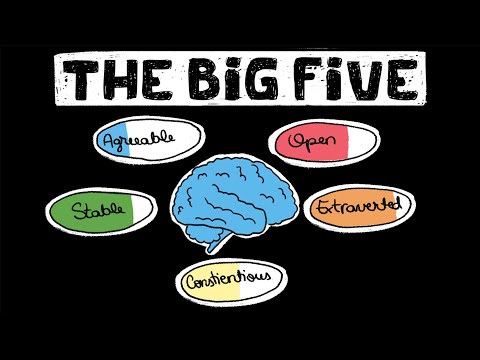
The OCEAN Personality Theory, often referred to as the Big Five Traits, is a widely accepted model in psychology for understanding human personality. It breaks down our traits into five key categories: Openness, Conscientiousness, Extraversion, Agreeableness, and Neuroticism. Each of these traits gives you insights into how you think, feel, and behave in different situations.
Openness is all about how open-minded and imaginative you are. People who score high on this trait tend to be curious about the world around them. They love exploring new ideas and experiences. For example, someone high in Openness might enjoy trying out exotic foods or traveling to off-the-beaten-path locations just for the thrill of it.
Conscientiousness refers to how organized and reliable you are. A person with high conscientiousness usually pays attention to detail and plans ahead. Think of your friend who’s always on time and has their life together—yeah, that’s them! On the flip side, someone low in this trait might fly by the seat of their pants, forgetting appointments or deadlines without much concern.
Now let’s talk about Extraversion. This trait measures your level of sociability and enthusiasm. If you’re an extrovert, you’re probably energized by being around others and thrive in social situations. You know that friend who lights up every party? That’s their extraverted nature shining through! On the other hand, introverts tend to feel drained after long social interactions; they recharge by spending time alone or with just a few close friends.
Next up is Agreeableness. This one looks at how compassionate and cooperative you are in your relationships with others. High agreeableness means you’re empathetic, warm-hearted, and care about other people’s feelings—like when you drop everything to help a friend in need. Low agreeableness can manifest as more critical tendencies; someone may end up prioritizing their own interests over harmony within a group.
Lastly is Neuroticism, which gauges emotional stability versus instability. If you’re higher on this scale, you might find yourself experiencing anxiety or mood swings more frequently. Picture yourself worrying excessively before a big presentation or getting stressed out over little things that others would shrug off—that’s neuroticism at play. Lower scores indicate a calmer demeanor—you know those people who seem grounded no matter what chaos is happening around them? Yep!
Understanding these traits can provide valuable insights into both yourself and others. It’s like having a personality roadmap that can guide your interactions and personal development strategies! So next time you’re wondering why you clicked so well with one person but struggled with another? Look no further than these five traits—they paint quite the picture of human interaction!
In wrapping it up—while we all have elements of each trait within us—most people display distinct preferences across these dimensions. And that’s pretty fascinating when you think about it!
Understanding the Big 5 OCEAN Personality Test: Key Insights and Applications
The Big Five personality traits, often referred to as **OCEAN**, are like a roadmap to understanding how you tick. They stand for **Openness, Conscientiousness, Extraversion, Agreeableness**, and **Neuroticism**. Each one helps paint a picture of your behavior, thoughts, and feelings.
Openness is all about your willingness to explore new experiences. If you’re someone who loves to try new foods or dive into different cultures, you might score high on this trait. It’s not just about being artsy; it’s also about being curious! Think back to a time when you tried something completely outside your comfort zone—how did that feel?
Conscientiousness, on the other hand, deals with how organized and reliable you are. Are you the type who makes lists and sticks to plans? Or do you tend to go with the flow? Those high in conscientiousness often set goals and follow through. Picture someone preparing meticulously for a job interview—that’s conscientiousness in action!
Then we have Extraversion. This trait reflects how energetic and social you are. Do crowded parties energize you or drain your battery? If being around others feels like charging your phone rather than depleting it, you’re likely leaning toward extraversion. Think about those moments when you’ve thrived in a social setting versus those times you’d rather be curled up with a book.
Now don’t overlook Agreeableness. This is about how well you get along with others. Are you empathetic and compassionate? Or do conflicts make you bristle up? Someone with high agreeableness usually seeks harmony and values cooperation over competition. Remember that friend who’s always mediating disputes? Yep, that’s them living out their agreeable side!
Lastly, we come to Neuroticism. This trait gauges emotional stability. If you’re prone to anxiety or mood swings, your score might be higher here. However, everyone has moments of nervousness! Ever had butterflies before a big presentation? That’s neuroticism peeking out for most folks.
Understanding these five traits can really help in various aspects of life. For instance:
- Workplace dynamics: Knowing these traits can improve team collaborations.
- Relationships: Insight into your partner’s personality helps navigate conflicts better.
- Personal growth: Reflecting on where you fall within these traits can guide development efforts.
Think of this as not just labeling yourself but as gaining insights into your interactions with others too! It’s like having secret knowledge of what makes people tick around you.
So when exploring OCEAN, remember—it’s not something that boxes people in but rather an avenue for understanding motivations and behaviors that shape our everyday lives!
Understanding Water Type Personalities: Traits, Characteristics, and Insights
Water type personalities are like the ocean—deep, mysterious, and sometimes a bit unpredictable. They’re often known for their emotional sensitivity, intuition, and adaptability. But let’s break all that down so it makes sense.
Emotional Depth: Water types feel things deeply. They tap into emotions that others might not even notice. Imagine sitting by a quiet lake; you might feel calm but also a little melancholic. That’s how water types process feelings. It’s not just about joy or sadness; it’s the whole spectrum of emotions.
Intuition and Insight: Ever met someone who just seems to *know* stuff without being told? Yep, that could be a water type! They have this innate ability to read situations or people—like they’re swimming beneath the surface, sensing things other folks miss. It’s almost like having an internal compass guiding them.
Adaptability: Just as water takes the shape of whatever container it’s in, these personalities can adapt easily to changing circumstances. If there’s chaos around them—like unexpected changes at work—they often flow with it instead of resisting. It can really help in managing stress or overcoming obstacles.
Now, let me share an anecdote. There was this friend of mine who seemed chill about everything—school stress, personal issues—you name it! She would always say, “Just go with the flow.” I didn’t get it at first! But later on, I realized she was a total water type; her ability to navigate through life with grace showed me how powerful it can be to embrace your emotional side.
Key Traits of Water Type Personalities:
- Sensitivity: They pick up on emotions around them really easily.
- Creativity: Often drawn to artistic expression; think writers or artists.
- Compassion: Tends to be empathetic and supportive friends.
- Introspection: They spend time reflecting on emotions and thoughts.
But it’s not all rainbows and sunshine! With such deep emotions can come challenges too. Sometimes they may get overwhelmed by their feelings or struggle with boundaries because they care so much about others’ well-being.
In relationships, water types are often nurturing partners—they just want everyone to feel good and happy! They’re likely those friends who remember your birthday but also notice when you’re off your game. This is both a strength and potential source of stress when they take on too much from others.
So there you have it—water type personalities are complex beings who navigate life using their depth of feeling and intuition. While they bring so much warmth and insight into relationships, it’s essential for them to find balance so that caring doesn’t become draining. At the end of the day, it’s all about finding serenity in those deep waters while learning to ride the waves as they come!
Imagine standing on a shore, the vast ocean stretching endlessly before you. It’s calming, right? But then you start to think about what lies beneath the surface. That’s kind of like how our personalities work, too—a deep dive into the depths can reveal some fascinating insights.
So, here’s the thing: just like the ocean is made up of different layers—surface waves, deeper currents, and hidden mysteries—our personalities consist of different layers as well. The outer layer is what people see first: your smile, your style, your small talk at parties. But beneath that shiny surface lies so much more.
Think about it: when you were a kid and had that one friend who could read you like a book? Maybe they just knew when you were upset or when your laugh was forced. That’s intuition at play! It’s like how some fishermen can sense changes in the ocean’s waves or tides. They’ve tapped into that deeper understanding of their environment—and so can we with our own emotional currents.
But exploring these depths can be tricky. You know those days when you’re feeling a bit off but can’t put your finger on why? It’s kind of like when you’re swimming in water and suddenly hit an unexpected drop-off. One moment everything feels fine—it feels safe—and then bam! You’re in over your head! Sometimes it takes time to navigate those murky waters inside ourselves to understand what’s going on.
And let me tell you—I’ve had my fair share of moments like this. Like that time I thought I was just tired after working long hours but really I was feeling isolated and disconnected from my friends. It was a weird realization; I wasn’t just worn out—I needed connection! Just as divers need to come up for air occasionally after spending time underwater, we too need to resurface emotionally from time to time.
What I find intriguing is how certain experiences make us stronger—like coral reefs forming through years of storms and currents. Each challenge we face adds another layer to who we are, making us more resilient. So next time you feel overwhelmed by life’s waves or even just someone’s harsh words, remember there’s strength in those depths.
In short, our personalities are as vast and complex as the ocean itself—full of hidden wonders and mysteries waiting to be explored if we’re willing to dive deep. So grab your metaphorical snorkel gear and get ready—you might just find some surprising gems down there!