You know, loneliness is a pretty heavy topic. Especially when we’re talking about older folks. I mean, picture your grandparents or someone you know who’s aging. It can be tough for them.
As people get older, they often face changes that make social connections a bit tricky. Friends move away, family gets busy, and suddenly, that social circle starts to shrink. Ouch, right?
What’s wild is that loneliness isn’t just about being alone—it’s more about feeling disconnected. That feeling can really mess with someone’s head and heart too.
So let’s dive into what this all means. What causes it? How does it feel? And how can we help? It’s a big topic with a lot of layers, and you might find some bits that resonate with you or someone close in your life.
Exploring the Impact of Social Isolation and Loneliness in Older Adults: A Comprehensive PDF Guide
Social isolation and loneliness among older adults can be pretty heavy topics, but they’re incredibly important to understand. When people age, their social circles might shrink for various reasons—like retirement, health issues, or the death of loved ones. This shrinking social sphere can lead to feelings of loneliness that really affect mental and physical health.
First off, let’s break down what we mean by social isolation. This is when someone has minimal contact with others. It could be as simple as not having anyone to talk to on a regular basis. On the other hand, loneliness is more about how a person feels about their social relationships. You might be surrounded by people but still feel totally alone. Wild, right?
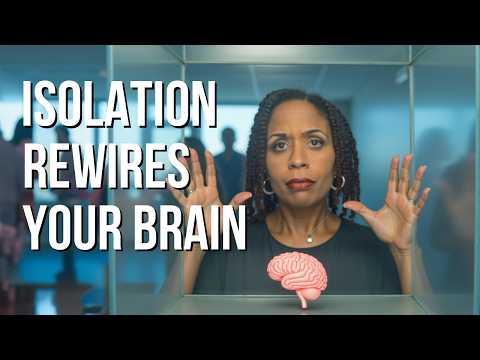
Loneliness can seriously mess with your health. Research shows that it can increase risks of heart disease, depression, and even dementia in older adults. You know how you feel after a long day alone? Now imagine that same feeling stretched over months or years. Yeah, not great.
When you look at things from a psychological perspective, it’s clear that loneliness isn’t just “feeling sad.” It’s like a snowball effect—it chips away at your self-esteem and can lead to withdrawal from activities you once loved. Imagine Mr. Thompson who used to play bridge every Friday night but now stays home because he feels no one wants him around anymore.
Here are some key impacts of social isolation on older adults:
- Mental Health Issues: Increased feelings of depression and anxiety are common.
- Cognitive Decline: Isolation can speed up memory loss and cognitive decline.
- Physical Health Problems: It’s linked to higher rates of chronic diseases like diabetes or heart problems.
- Affective Well-being: Overall happiness declines; life satisfaction takes a hit.
So what’s the way out of this lonely maze? Well, community engagement is vital! Programs aimed at improving social connections can make a big difference. Simple things like organizing community events or even virtual check-ins can help bridge the gap for those who might not get out much.
Also crucial is the role of family. How often do we forget to check in on our older relatives? Just one phone call or visit can significantly lift someone’s spirits.
The bottom line: While loneliness in later life is common and understandable due to all those shifts happening around them, it doesn’t have to be an accepted norm. Awareness is key; talking about these issues openly helps combat stigma and encourages action.
So yeah, understanding this isn’t just about acknowledging an issue; it’s also about figuring out how we can help ourselves and others foster stronger connections as we age together!
Exploring Social Isolation in Older Adults: Insights from Scholarly Articles
Social isolation is a big deal for older adults. You know, as people age, they often find themselves feeling more alone. This is a rough spot to be in. It’s not just about being by yourself; it’s about feeling disconnected from the world around you.
One major factor contributing to this problem is **loss**. As we age, friends and family members may pass away, leaving gaps that are hard to fill. Imagine losing your closest pals or even your partner—it’s like a huge piece of your support system just vanished. It’s no wonder many older adults feel lonely.
Another thing to think about is **mobility**. Physical health can decline over time, making it harder for older individuals to get out and socialize. They might want to join that book club or go for coffee with friends, but if they struggle with getting around, it can become impossible. Being stuck at home can really amplify feelings of loneliness.
Mental health plays a role here too! Depression and anxiety often tag along with social isolation. When you’re lonely, it’s easy to slip into negative thoughts and feelings. Those thoughts make reaching out for help seem even harder—a classic catch-22 situation!
Technology may help bridge some gaps, but there’s also the challenge of learning how to use it effectively. Video calls can be great for staying connected with family far away, but not everyone knows how to navigate those platforms well. So while some people are connecting online, others might feel even more isolated because they can’t keep up.
There’s also this societal factor where older adults might feel invisible or ignored by younger generations. You know how sometimes we overlook the wisdom that comes with age? That adds another layer of isolation—it can make them feel less valued or important.
Another point worth mentioning is community involvement. Many communities have initiatives aimed at engaging older adults in various activities—like art classes or group outings—which can help combat loneliness significantly. These programs create spaces where people can come together and share experiences rather than sitting alone at home.
And let’s not forget about **cultural attitudes** toward aging! In some cultures, older folks are celebrated and respected; in others, they’re sadly overlooked or pushed aside. This cultural lens shapes how individuals experience social isolation as they age.
In short, social isolation in older adults isn’t just about being alone; it’s about emotional connections and finding meaning in life as things change over time! Addressing these factors requires community awareness and individual empathy—something we should all work on together!
Understanding Loneliness: Psychological Insights and Strategies for Overcoming Isolation
Loneliness is one of those feelings that can hit anyone at any time, but it often feels especially heavy in later life. As people age, they might lose loved ones, friends may move away, or health issues can limit social interactions. It’s a complex emotional experience that can lead to some serious psychological implications.
When we talk about loneliness, we’re usually talking about a disconnect between the social connections you have and the connections you want. It’s not just being physically alone; it’s about feeling emotionally isolated. That disconnection can leave you feeling empty or sad, which isn’t a good place to be.
The first step in tackling loneliness is recognizing it. You might think you’re just introverted or like your own company. But if you find yourself feeling down more often than not because of this isolation, it could be more than that. Seriously ask yourself: how do your friendships and relationships feel right now? Are they fulfilling?
Anecdote time! I remember chatting with my neighbor, who was in his late 70s. He lived alone after his wife passed away a few years back. He seemed fine at first glance—his garden was beautiful, he was always dressed well—but when we talked long enough, I could see the weight of loneliness in his eyes. He mentioned how he missed having someone to share his day with, even just to watch TV beside them. It was a subtle reminder that loneliness doesn’t always scream; sometimes it whispers quietly in our hearts.
- Social Connections: One big strategy is finding ways to nurture existing relationships or create new ones. This might mean inviting an old friend for coffee or joining a community group where you can meet like-minded individuals.
- Pursuing Hobbies: Engaging in activities you love can also boost your mood and make connections more likely. Whether it’s painting, gardening, or even cooking classes—finding joy could lead to new friendships.
- Volunteering: Helping others is not only rewarding but also an excellent way to meet people and build camaraderie while lifting up those around you.
- Mental Health Check: If feelings of loneliness start getting deep into negatives—like depression—it may help to chat with someone professional about it. A therapist can offer tools and strategies tailored for your situation.
You know what? The trick is finding little ways each day to connect with others or yourself—even the simple act of picking up the phone counts! Remember: You’re definitely not alone in this feeling; many others share similar experiences as they navigate through life changes.
If you’re struggling with loneliness as life unfolds its chapters, take heart! Getting involved socially and focusing on building meaningful connections can create light where there once may have been shadows.
This journey won’t happen overnight—it takes time—but every small step counts toward overcoming isolation and enhancing your emotional well-being!
Loneliness in later life can feel like a heavy blanket. You know, like when you’re cozy at home, but then you realize no one’s really there to share it with. It’s kind of a mixed bag, honestly. On one hand, you might think that with more time in life, people have built deeper connections. But on the flip side, many older adults find themselves feeling isolated and disconnected.
Let me share a little story here. My neighbor, Mr. Thompson, is a retired teacher who always had a lively home filled with laughter from his grandkids. Then one winter, they moved away for work and suddenly his house felt eerily quiet. He started spending hours just sitting by the window, staring out like he was waiting for something—or someone—who never showed up. It was heartbreaking to watch.
So why does this happen? Well, as people age, they often face major life changes: losing loved ones or friends or even dealing with health issues that limit social interactions. The world starts to feel smaller and smaller for them. And it’s not just about being physically alone; it can be mentally draining too—you can start to feel invisible or forgotten.
You see loneliness isn’t just about not being around people; it’s more about feeling disconnected even when you are surrounded by others. Ever had that moment where everyone’s laughing around you but you feel like you’re on the outside looking in? That’s similar to what many older folks might experience.
All of this can affect mental health quite seriously. Loneliness can lead to increased risks of depression and anxiety among the elderly—like a vicious cycle where feeling lonely makes them withdraw even more from social situations which compounds their loneliness further!
But there’s hope! Community programs and outreach efforts are popping up everywhere aimed at bridging these gaps—bringing people together for shared activities or simply checking in on someone who might need company really makes a difference.
At its core, tackling loneliness means fostering genuine connections and understanding that everyone—regardless of age—needs companionship. It’s like feeding our soul; we thrive better when we share our lives with others, don’t you think? So let’s keep an eye out for those around us who may need a friendly chat or just someone to listen. You never know; it could change everything for them!