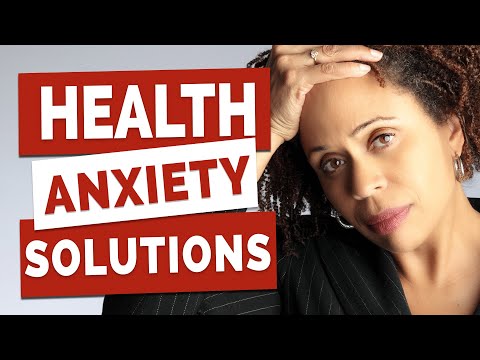
Hey there! So, let’s talk about something that a lot of us deal with but don’t always like to admit: health anxiety. You know, that nagging worry when you feel a weird twinge in your chest or Google every little symptom you notice? Yeah, I’ve been there too.
It’s wild how our minds can run in circles over stuff like this. One minute you’re chillin’, and the next? You’re convinced you have some crazy illness. Seriously, it can feel exhausting, right?
But here’s the good news. Finding calm is possible! There are actual strategies out there to help you conquer those anxious thoughts and regain your peace of mind. And trust me, it doesn’t have to be complicated or boring.
So grab a comfy seat and let’s dig into some ways to quiet the chaos in your head. You’ve got this!
Transformative Journeys: Overcoming Health Anxiety Through Personal Stories
You know, health anxiety can be a real rollercoaster. It’s that nagging feeling that something’s wrong with your body, even when there’s no real evidence to back it up. Many people experience this, and thankfully, some have shared their stories about overcoming it. These personal journeys can provide insight and hope!
Understanding Health Anxiety
Health anxiety isn’t just about being concerned over a sniffle or an ache. It often involves an overwhelming fear of serious illness that can disrupt daily life. Imagine constantly Googling symptoms or avoiding situations because you’re scared of getting sick. Sound familiar? This excessive worrying can lead to physical symptoms too—like stomachaches or headaches—causing a vicious cycle.
The Power of Personal Stories
Stories from those who’ve tackled health anxiety show the diverse ways people cope. For example, one woman named Maya shared how she felt paralyzed by her fears about cancer after she lost someone close to her. She started journaling her thoughts and feelings to make sense of them. Over time, this practice led her to confront the irrational nature of her worries. You follow me? Documenting her fears helped transform her perspective from one of panic to a more grounded understanding.
Another story is from Jake, who found solace in community support groups. He used to feel isolated in his anxiety, but hearing others share similar experiences made him realize he wasn’t alone. Just being able to talk openly about his health fears lightened his emotional load significantly.
Strategies for Finding Calm
So how do these journeys translate into actionable steps? Here are some strategies people have found helpful:
And you know what? Some find creative outlets—like art or music—to express and process their emotions better!
The Journey Is Unique
What stands out in these stories is everyone’s journey is unique; there’s no one-size-fits-all solution here! What works for one person might not resonate with another, so exploring different avenues is key.
Another important lesson here is patience; recovery isn’t instant. Just like Maya and Jake learned through their experiences, managing health anxiety takes time but is totally doable.
Ultimately, transformative journeys show that while health anxiety can feel paralyzing at times, sharing stories helps create a sense of community while providing motivation for others facing similar battles. You know what they say—sometimes knowing you’re not alone makes all the difference!
Overcoming Health Anxiety: Insights from Reddit Experiences
Dealing with health anxiety can feel like being on a never-ending rollercoaster. You know, the one where you’re constantly worried about every little twinge or cough. Browsing through Reddit, you can find a ton of personal experiences that really shed light on this struggle. Let’s dive into some takeaways from those real-life stories and what methods folks have used to combat their anxiety.
First off, awareness seems to be a common theme among Reddit users. Many people start recognizing patterns in their thoughts. They share how just knowing that anxiety is causing them to worry helps them take a step back. Like, if they realized they spiraled after Googling symptoms, that was their cue to stop! It’s truly about becoming more mindful of when your mind starts racing down that rabbit hole.
Then there’s the importance of talking it out. Several users mentioned how sharing their fears with close friends or family members significantly reduced their anxiety levels. One guy wrote about how he opened up to his sister and realized she had similar worries too. Just knowing you’re not alone in this can lighten the load!
Practical techniques are also highlighted in these forums. Many Redditors recommend grounding exercises. These are simple activities that help anchor you in the present moment, like focusing on your breathing or noticing five things around you. One person shared how counting backward from 100 helped distract him during a panic attack. This kind of strategy can really pull you back when anxiety is bubbling up!
Another key point that’s often mentioned is limiting health-related information. Folks talk about setting boundaries for themselves—like reducing time spent online reading health articles or avoiding certain websites altogether. One user said she made it a rule not to Google symptoms after 8 PM; it felt so freeing! Cutting off that constant stream of information can help ease worries.
A lot of people also pointed out how staying busy helps fight off intrusive thoughts. Engaging in hobbies, reading, or spending time outside were common suggestions floating around the threads. One woman described how painting became her sanctuary during anxious moments—she could lose herself in creativity instead of spiraling into worry.
Lastly, there’s this acceptance piece that’s crucial too. Users noted that simply acknowledging health anxiety as part of their lives helped diminish its power over them. Instead of battling against it all the time, embracing those feelings led some folks to better cope with them.
So basically, people on Reddit shared that tackling health anxiety isn’t about finding a one-size-fits-all solution; it’s more like piecing together what works for you personally. Being aware of your thoughts, communicating with others, using grounding techniques, limiting information intake, staying occupied with enjoyable activities—the combination can bring some calm amidst the stormy seas of health worries!
Overcoming Health Anxiety: A Comprehensive Guide in PDF Format
When it comes to health anxiety, it’s like your mind has decided to crank up the worry dial to eleven. You might find yourself obsessing over every little ache or pain, convinced something serious is going on with your health. It can feel overwhelming and exhausting, right? But here’s the good news: there are ways to manage those anxious feelings and find some calm.
First off, it’s essential to recognize what health anxiety really is. It’s not just being a bit worried about your health; it’s more like a persistent fear that you’re seriously ill, even when there’s no real reason to think so. You know how sometimes you’ll read about a rare disease online and suddenly feel like you have all the symptoms? That’s pretty classic!
One of the key strategies is mindfulness. This means actually paying attention to what’s happening in the moment without judgment. For example, if you notice a headache coming on, instead of spiraling into panic mode, try just acknowledging it. “Okay, there’s a headache. It could be due to lack of sleep or dehydration.” This simple shift can help ground you in reality.
Another tactic involves limiting information intake. Yeah, I get it—when you’re feeling anxious, it might seem natural to Google symptoms or read articles about illnesses. But honestly? That often makes things worse! Try setting limits on how much health-related content you consume daily and stick to reliable sources only.
You can also practice cognitive restructuring. This fancy term just means changing those negative thought patterns into something more balanced. When that nagging thought pops up—“What if I have cancer?”—try transforming it into “I’ve been feeling healthy overall; worrying won’t change anything.” It takes practice but can be super effective!
Let’s not forget about breathing exercises. When anxiety hits hard, your body goes into fight-or-flight mode—and guess what? Your breath gets shallow too! Taking slow deep breaths can signal your brain that it’s time to chill out. Something like inhaling for four counts, holding for four counts, and exhaling for six counts works like magic.
Speaking of support, don’t hesitate to talk with someone about how you’re feeling. A friend who understands can make a world of difference! Sometimes just sharing your worries helps lighten the load.
Also remember: self-care matters! Eating well, getting enough sleep, and exercising are not just cliché pointers—they actually work wonders for reducing anxiety levels! Think of them as tools in your toolbox.
In summary:
- Practice mindfulness.
- Limit information intake.
- Cognitive restructuring is key.
- Use breathing exercises.
- Seek support from friends or loved ones.
- Pursue self-care regularly.
Overcoming health anxiety isn’t an overnight journey—it takes time and effort. But with these strategies at hand, you’ll gradually find that peace of mind isn’t just a dream but something totally within reach!
So, health anxiety, huh? It’s that nagging voice in your head that tells you every little ache and pain is something way worse. Seriously, I remember one night feeling a random twinge in my chest. My mind raced through the worst-case scenarios, giving me a mini panic attack as I imagined all sorts of doom. By morning, I just had indigestion from that spicy burrito! You feel me?
Finding calm amidst all this can be like trying to find a needle in a haystack—frustrating! But there are some strategies you can really lean into. First off, managing your thoughts is crucial. Whenever those anxious thoughts creep in, try naming them: “Hey, that’s just my health anxiety talking.” Just labeling it can take away some of its power.
Another thing that’s super useful is staying informed but setting boundaries on how much you browse online. Sure, Google can be helpful… but it can also lead you down some dark rabbit holes of self-diagnosis. So maybe limit your search to once or twice a week instead of every hour?
And don’t underestimate the power of deep breathing! It’s like hitting the reset button for your brain and body. Take slow breaths—inhale for four counts, hold for four counts, then exhale for six counts. You might feel slightly silly at first, but it really does help calm those racing thoughts.
Also? Talk to someone about how you’re feeling! Seriously! Whether it’s a friend who gets it or a professional who knows their stuff—it helps to spill those worries out instead of keeping them bottled up inside.
Of course, staying active is clutch too! Go for walks or hit the gym—exercise releases good vibes (endorphins!) that can counteract stress and keep your anxiety levels in check.
Remember that it’s totally okay to have these feelings; you’re not alone in this struggle. Finding calm might take some time and practice but tackling health anxiety head-on doesn’t have to be scary. Just keep experimenting with strategies until you find what works best for you. Keep going—you got this!