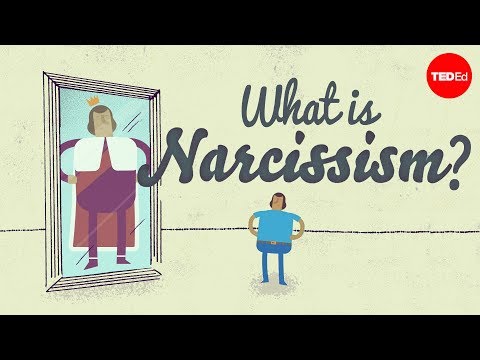
So, let’s chat about this thing called overt narcissism. You know, the kind of narcissism that’s loud and proud? It’s like the person who walks into a room and demands everyone’s attention, right?
It can be super confusing. One minute they’re charming you with their stories, and the next, you’re left feeling kinda… small? That’s the thing about overt narcissists; they can really mess with your head.
And honestly, it’s not just about them. It affects how we relate to each other in some pretty wild ways. Let’s unpack what that means for all of us. Stick around!
Understanding Compatibility: Who Can Thrive Living with a Narcissist?
Living with a narcissist can feel like walking on eggshells, right? It’s a complicated dance, and understanding compatibility in such situations is crucial. So, who can thrive in this environment? Let’s break it down.
To start, let’s talk about what narcissism really is. It often involves an inflated sense of self-importance and a deep need for admiration. Narcissists may seem charming at first. They have this magnetic pull that can make you feel special. But here’s the kicker: they often lack empathy and have trouble connecting with others on a genuine level. You know what I mean?
- The Empath: Some folks naturally possess empathy and compassion. They tend to be nurturing and supportive, which might sound great for a relationship, right? But here’s the thing: an empath may end up feeling drained because their efforts often go unrecognized.
- The People-Pleaser: If you’re someone who struggles to set boundaries, living with a narcissist can be particularly tough. You might constantly seek approval or fear conflict. That can easily lead to feelings of inadequacy.
- The Challenger: On the flip side, some people are assertive and aren’t afraid to call out behavior that feels off. This type might initially clash with a narcissist but could hold their own if they establish firm boundaries from the get-go.
Here’s an interesting tidbit—people with strong personalities may actually learn how to coexist by setting clear limits. They stop giving into the narcissist’s demands without losing themselves in the process.
But let’s dive deeper into the emotional rollercoaster that comes along with living alongside someone who exhibits these traits. There are moments of intense highs followed by deep lows—often triggered by the narcissist’s changing moods or perceptions of reality.
A quick story for you: imagine Sarah, who starts dating Mike, a charismatic guy who seems perfect at first glance. Over time, she realizes he hardly ever asks about her day or seems genuinely interested in her feelings; instead, he talks about his accomplishments endlessly. Sarah begins to feel invisible and ultimately questions her self-worth because of Mike’s behavior.
You see how easily it happens? That struggle is real! The key understanding here is how different personality types react differently during these challenges.
- The Silent Resenter: Some may bottle up their emotions until they explode later on. This dynamic creates even more tension in relationships as unspoken grievances pile up over time!
- The Resilient One: Others may find ways to support themselves emotionally outside the relationship—friends or hobbies become lifelines when things get tough at home.
- The Observer: Lastly, some individuals take a step back and analyze everything objectively without getting too entangled in drama; they maintain emotional distance as protection.
If you think about it from another angle—those who thrive alongside narcissists often do so because they either adapt quickly or refuse to let negativity define their experience. Building resilience is key!
In essence, compatibility isn’t just about matching personalities; it involves navigating emotional landscapes together while dealing with imbalances unique to living with someone who craves constant validation yet struggles profoundly around vulnerability and connection.
If you find yourself in this scenario—or know someone who is—it helps to remember that understanding your own reaction patterns makes all the difference in coping effectively! You’re not alone navigating these murky waters; knowing what works for you helps clarify decisions moving forward!
Understanding Overt Narcissism in Relationships: Signs, Impacts, and Strategies for Healing
Overt narcissism is like that loud, flashy car zooming down the street. You can’t ignore it! People who exhibit overt narcissistic traits are often open about their self-importance and crave attention. In relationships, this can create a lot of turbulence, both for themselves and their partners.
People with overt narcissism love to take center stage. They often need validation and admiration from others, which can show up in various ways:
- Constant bragging about achievements or possessions.
- Lack of empathy, making it hard for them to consider others’ feelings.
- Manipulative behaviors to maintain control over the relationship.
Have you ever met someone who just wouldn’t stop talking about themselves? You’re trying to share a story, but they cut you off to boast about their latest success? That’s a classic sign of overt narcissism! It’s draining to engage with someone who seems more interested in their reflection than what you have to say.
The impact of being in a relationship with an overtly narcissistic person can be pretty intense. For one, you might feel:
- Undervalued, as your needs and feelings get pushed aside.
- Confused, especially when they flip between charm and manipulation.
- Battered emotionally, leading to anxiety or low self-esteem over time.
You might even feel like you’re walking on eggshells, always afraid that their next outburst will be triggered by something seemingly trivial. This isn’t just uncomfortable; it messes with your mental well-being!
If you’re finding yourself in a relationship like this, seeking healing is crucial. Here’s how you might navigate this tricky situation:
- Create boundaries. Know what behaviors you won’t tolerate; it’s okay to protect your space!
- Acknowledge your feelings. It’s normal to feel hurt or upset—don’t push those emotions down.
- Seek support. Talk to friends or loved ones who understand what you’re going through; sometimes just expressing yourself can help lighten the load.
- Consider professional guidance. If it feels overwhelming, speaking with someone trained can be beneficial for gaining clarity and tools for coping.
The thing is, healing takes time. You won’t suddenly feel better just because you decide enough is enough. But taking steps towards reclaiming your emotional health makes a real difference over time. Remember that it’s okay to prioritize yourself—you deserve it!
Navigating relationships with overtly narcissistic individuals isn’t easy; it requires a lot from you emotionally. By recognizing the signs and impacts, plus employing some strategies for healing, you can start taking small steps towards healthier connections in your life!
Understanding Covert Narcissism: Signs, Impact, and Strategies for Coping
Covert narcissism, often overshadowed by its flashier counterpart, overt narcissism, can be tricky to spot. Unlike the loud, brash behavior associated with overt narcissists, covert narcissists usually appear more shy or reserved. But don’t be fooled! They can still have a big impact on those around them.
First off, let’s look at some signs of covert narcissism. You might notice:
- Excessive sensitivity: Covert narcissists often feel slighted or misunderstood. A simple comment can send them into a tailspin.
- Victim mentality: They tend to see themselves as victims of circumstance. Everything that goes wrong seems to revolve around them.
- Passive-aggressiveness: Instead of expressing anger directly, they might sulk or give you the silent treatment.
- Need for admiration: Even if they’re not loud about it, they crave validation and acknowledgment from others.
- Empathy issues: While they might seem to care about your feelings on the surface, deep down they’re mainly focused on themselves.
Now, think back to a time when you were talking to someone who kept redirecting the conversation back to themselves. Frustrating, right? It’s like they just can’t help but make everything about them—even if it feels pretty subtle.
The impact of being around someone with covert narcissistic traits can be significant. You may feel like you’re walking on eggshells, constantly trying not to upset them while managing your own emotions. This can lead to:
- Feelings of confusion and doubt: You might second-guess yourself because their behavior creates a sense of instability.
- Emotional exhaustion: Dealing with their mood swings and passive-aggressive comments can drain your energy.
- Low self-esteem: Over time, their tendency to criticize subtly can wear away at your confidence.
So how do you cope with someone who exhibits these traits? Here are some strategies that could help you navigate this tricky terrain:
- Set clear boundaries: Don’t let their emotional ups and downs dictate your life. Know what behaviors you’re willing to accept and stick to your guns.
- Practice self-care: Make sure you’re taking care of yourself emotionally and physically. Engage in activities that recharge your batteries!
- Acknowledge your feelings: It’s okay to feel frustrated or sad in these situations. Recognize those emotions instead of burying them.
- Seek support from others: Talk things out with friends or family who understand what you’re going through—they can provide perspective!
Being around a covert narcissist isn’t easy by any means. Just remember: it’s okay to prioritize yourself amidst all the chaos. Understanding these behaviors is the first step toward coping effectively!
Overt narcissism can be a real head-scratcher, right? You know the type—those individuals who just seem to bask in their own glory. It’s like they’ve got their own spotlight, and they’re not afraid to shine it on themselves. But what’s really going on beneath that shiny surface?
Let’s take a moment to think about it. You might have encountered someone who brags about their achievements at every opportunity or constantly seeks admiration from others. It can be kind of exhausting, honestly. But behind that flashy exterior often lies insecurity. The thing is, these folks may feel this deep-seated need to prove their worth because somewhere along the line, they didn’t feel valued enough.
I remember this one person in college who was like a walking trophy case. They always had the loudest voice in class, dominating conversations and showcasing their knowledge in every possible way. At first glance, it was just plain annoying—like can you not hear anyone else? But eventually, I realized it was more than that. They craved recognition and validation from peers—they wanted to be seen as the best.
So when we unpack overt narcissism a little more, we start to see how it affects not just the person living with those traits but also everyone around them. Relationships can get rocky pretty fast with this kind of behavior. If someone’s always grabbing the mic for themselves, it leaves little room for others to share or connect on a deeper level.
Plus, there’s this whole cycle of reinforcement that happens: when people give attention or compliments to a narcissist, it boosts their inflated self-image temporarily but doesn’t really help them grow as individuals. It’s almost like feeding an endless hunger; it’s satisfying for a moment but never really fulfilling long-term.
And then there are those emotional ripple effects on friends and family—imagine being stuck in conversation where your self-worth gets overshadowed by someone else’s constant need for affirmation! It can trigger feelings of frustration or even self-doubt among those around them.
Ultimately, understanding why overt narcissism exists doesn’t excuse the behavior but sheds light on how complicated human dynamics are. We all want validation in some form; it’s part of being human! Just maybe not at the expense of others all the time, right? So yeah… reflecting on this topic makes me realize how important balance is when seeking acknowledgment while also fostering genuine connections with those around us.