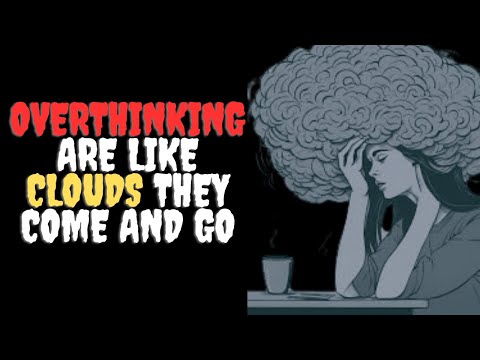
Overthinking, huh? It’s like that annoying friend who just won’t leave the party. You know the one—always dissecting every word you said and every choice you made.
Seriously, it can feel like your brain is on a never-ending loop of “what ifs.” One minute you’re chillin’, and the next, you’re spiraling into a deep dive about something that happened ages ago.
And let’s face it: it’s exhausting! You might even notice how it messes with your mood, relationships, and overall vibe.
So why does this happen? Why do we get stuck in our heads like it’s some kind of mental traffic jam? Well, we’re going to unpack all that. Grab a snack; let’s dig in!
The Impact of Overthinking on Physical Health: Understanding the Connection
Overthinking is one of those sneaky mental habits that can creep up on you. You might sit down to enjoy a coffee, but suddenly you’re caught in a web of “What ifs” and “Should I haves.” It’s exhausting! But did you know that this constant mental chatter can also mess with your physical health? Let’s break it down a bit.
When your brain is in overdrive, it releases stress hormones like cortisol. Cortisol is fine when it’s just a little spike here and there, but prolonged levels can lead to serious issues. You might start feeling fatigue, headaches, or even digestive problems. Not cool, right?
Your body basically thinks it’s in danger when you’re overthinking. Imagine a time when you felt super anxious about something—maybe an exam or a job interview. Your heart races, your palms sweat, and you can’t focus. This reaction is all tied to your body’s fight-or-flight response. If this goes on too long, you could experience chronic stress.
Let’s talk about sleep—everyone’s favorite topic! Overthinking often leads to restless nights. You might lay awake replaying scenarios in your mind. This lack of sleep can spiral into more health problems like weakened immunity or weight gain. Sleep isn’t just a luxury; it’s essential for keeping everything running smoothly!
You might also notice changes in your appetite because of overthinking. Some people lose their appetite entirely, while others find themselves stress eating everything in sight! Your relationship with food could swing back and forth like a pendulum because of how much mental energy you’re expending worrying about stuff.
So what happens next? Your immune system takes a hit too! Chronic stress from overthinking weakens it over time. You end up catching colds more often or taking longer to heal from illness.
It’s not just physical symptoms we’re talking about here; it’s emotional turmoil too. Overthinking can lead to anxiety disorders or even depression if it goes unchecked for long enough.
Key points include:
- Increased levels of cortisol affecting overall health.
- Physical symptoms like headaches and fatigue.
- Sleep disruptions leading to further health issues.
- Changes in appetite impacting nutrition.
- Weakened immune responses making you prone to illnesses.
- Potential development of anxiety and depression.
So the next time you’re caught up in your thoughts, remember: it’s not just mental strain; your body is feeling it too! Finding ways to ground yourself and manage the overthinking can be game-changing for both mind and body wellness.
Understanding the Connection Between Overthinking and Depression: Signs, Symptoms, and Solutions
Overthinking is one of those sneaky little gremlins that can creep into your mind and wreak havoc on how you feel. It often goes hand in hand with depression, creating a cycle that can seem impossible to break. So, what’s the deal with this connection? Let’s break it down.
What is Overthinking?
Overthinking means getting stuck in a loop of thoughts. You know those moments when you replay conversations in your head or worry endlessly about future events? Yeah, that’s overthinking at work. It can lead you to analyze every tiny detail, leaving little room for peace or clarity.
How Overthinking Feeds Depression
Now, here’s where the trouble begins. Overthinking can fuel feelings of sadness and hopelessness. When you’re constantly ruminating on negative thoughts or past mistakes, it becomes super hard to see the light at the end of the tunnel. They start to spiral out of control, making everything feel much heavier than it really is.
Signs You’re Overthinking
You might be wondering if you’re an overthinker. Here are some signs:
- Excessive Worry: You might find yourself worrying about things that aren’t even likely to happen.
- Doubt: You question your decisions constantly.
- Poor Sleep: Racing thoughts keep you up at night.
- Mood Swings: You feel anxious or upset without a clear reason.
I remember talking with a friend who couldn’t stop thinking about an argument she had with her coworker last week. Days went by, and she was still replaying every word in her head! That kind of persistent rumination just adds more fuel to the fire when it comes to feeling low.
The Symptoms of Overthinking and Depression
The symptoms can often overlap, making things tricky. Here are some common ones:
- Sadness: You might feel a constant cloud hanging over you.
- Lack of Energy: Even simple tasks seem daunting.
- Difficulties in Concentration: Your mind feels foggy.
- Irritability: Little things annoy you more than they should.
You see how these connect? It’s like being stuck in quicksand; the more you struggle with overthinking, the deeper into depression you sink.
A Path Forward: Solutions
So what can you do about this uninvited duo? While there’s no one-size-fits-all solution, there are definitely ways to help manage them:
- Acknowledge Your Thoughts: Instead of pushing them away, try recognizing when you’re overthinking.
- Meditation or Mindfulness: These practices can help ground your thoughts and bring clarity.
- Talk it Out: Sometimes just sharing your feelings can lighten the load greatly!
- Create a “Worry Time”: You allocate a specific time each day for worrying—then let it go!
It reminds me of an old trick I heard about once where someone dedicated just 10 minutes each day to worry—after that time was up? No more worrying allowed!
In short, understanding overthinking and its connection with depression can empower you to take control instead of letting them take control of you. Acknowledging these patterns opens up pathways toward finding balance and peace in your life.
Understanding the Impact of Overthinking on Brain Function and Mental Health
Overthinking can feel like a mental hamster wheel, right? You’re going round and round, but going nowhere. This habit has real effects on your brain and overall mental health. So, how does this work exactly?
When you overthink, you’re constantly analyzing situations, often replaying scenarios in your mind. It’s as if you’re trying to solve a complex puzzle with missing pieces. This doesn’t just make you feel anxious; it messes with your brain’s natural functions.
One of the major problems is that overthinking can lead to cognitive overload. When your brain receives too much information, it struggles to process everything clearly. It’s like trying to watch multiple movies at once! Instead of focusing on one thing, you’re left confused and overwhelmed.
Then there’s the emotional side of things. Overthinking often leads to increased levels of anxiety and stress. You might find yourself worrying about what others think or fearing potential failures. That constant worry activates the amygdala, which is the part of your brain responsible for processing emotions like fear and pleasure. The more you overthink, the more stressed you become!
Another tricky aspect is that overthinking can create a cycle: the more anxious you feel, the more you think about it, which increases your anxiety even further. It’s a bit like being stuck in quicksand—struggling only makes things worse!
Here are some key points to consider about overthinking:
- Impacts Decision Making: When you’re caught in over-analysis, making choices becomes paralyzing.
- Distorts Reality: You may begin to see situations more negatively than they are.
- Affects Sleep: Your mind races at night instead of winding down.
- Diminishes Performance: In work or school settings, this can lower productivity.
Think back to a time when you worried excessively about something small—a presentation or an upcoming meeting. You probably spent hours thinking about every little detail! You may have even convinced yourself that things would go horribly wrong when they actually turned out fine.
So what’s happening in your brain during these moments? Overthinking leads to increased activity in areas related to self-reflection and problem-solving while shutting down your ability to be present. This means you’re spending so much time analyzing past events or future scenarios that you’re missing out on life as it’s happening.
In terms of mental health, chronic overthinking often contributes to conditions like depression and generalized anxiety disorder (GAD). It becomes tough to break free from those spirals without some awareness or intervention.
If you catch yourself going down this rabbit hole often—it could help to take a moment for mindfulness practices or just step back for a second and breathe deeply. Seriously! Your brain deserves some peace too!
To sum it all up: while thinking through problems is part of being human, overthinking can distort our perception of reality and hinder our well-being. Recognizing when it happens is key because awareness stops that endless loop from continuing. Give yourself permission not just to think but also to live!
You know that feeling when your brain just won’t shut up? Like, you’re lying in bed at night, and suddenly all the little things you said or did that day replay like a bad movie? That’s overthinking. And believe me, it can be a real mental rollercoaster.
I remember this one time I stressed so much about sending a simple text. I re-read it at least ten times, wondering if I’d chosen the right emoji or if my tone was too casual. In the end, I didn’t send it until hours later—if I even sent it at all! Seriously, it’s crazy how something so small can occupy your mind for ages. That’s what overthinking does; it takes every tiny decision and magnifies it until you’re trapped in a maze of your own thoughts.
The psychological effects of overthinking are no joke either. It can lead to anxiety and stress that make your heart race and your stomach churn. You might notice changes in your mood too—sometimes feeling down for no apparent reason. When you constantly doubt yourself or worry about every little thing, it’s like carrying this invisible backpack filled with rocks everywhere you go.
And here’s something weird: while you’re lost in thought, trying to solve everything on your own, you might miss out on real-life experiences. You know? The laughter with friends or that beautiful sunset outside the window. Your mind is stuck in this loop while life keeps zooming by.
But what I’ve learned is that acknowledging this struggle is super important. Instead of trying to silence those thoughts outright—because let’s be honest, that rarely works—I found some relief by writing things down or talking them out with someone close. It’s like letting the steam out of a pressure cooker; suddenly everything feels lighter!
So if you’re caught up in overthinking—you’re definitely not alone! Just try to remember that sometimes taking a break from all those thoughts is just as vital as dealing with them head-on. Give yourself permission to breathe and maybe take things one step at a time instead of getting stuck in the whirlwind of your mind. You’ll be amazed how much clearer everything becomes when you do!