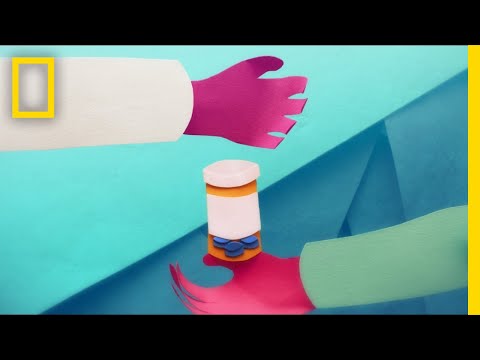
You know that feeling when you’re in pain, and you just want it to go away? Yeah, it’s the worst.
So, you take a painkiller. And, bam! Relief. For a moment, everything feels okay again. But what happens when that little pill becomes your go-to buddy?
Let me tell you, it’s not just physical pain we’re talking about here. There’s a whole mind game happening in the background.
Painkiller dependence isn’t just about craving relief; it’s tangled up with emotions, habits, and sometimes even trauma. Trust me; it gets pretty complicated.
Stick around as we peel back the layers of this psychological battle… You might end up seeing things from a whole new angle!
Understanding the Root Causes of Opioid Addiction: Insights and Implications
Opioid addiction is a major issue these days, and it’s more complex than just physical dependence on a drug. So, let’s break it down a bit to understand the root causes and what this means for people dealing with opioid dependence.
First off, **pain** plays a huge role. Many individuals start using opioids due to legitimate medical needs. For example, someone might undergo surgery and get prescribed painkillers post-op. As their body gets used to those meds, they might develop a tolerance, leading them to take more than needed.
Another key factor is **psychological distress**. People often turn to opioids as a way to cope with emotional pain or trauma. You might remember hearing about someone who lost a loved one or went through a rough patch—they start using painkillers because it numbs those feelings, at least temporarily.
Social environment also affects addiction rates. If you’re surrounded by others using opioids—for instance, friends or family—it can create pressure or normalization of use. This social aspect can amplify the likelihood of developing an addiction.
Moreover, there’s the aspect of **genetics**. Some folks are simply more predisposed to addictions due to their biological makeup. If you have family members who struggled with substance use, your risk of facing similar battles increases.
It’s essential not to forget about **economic factors**, too; individuals facing job loss or financial stress may seek out substances like opioids as a way to escape those realities. Sometimes, this form of escape starts innocently enough but spirals into something much bigger.
Then there’s the **influence of mental health disorders**. Conditions such as anxiety and depression are big players here. Think about it: untreated mental health issues can lead one to self-medicate with opioids in hopes of finding relief—and that can quickly turn into dependence.
In addition, let’s touch on the **stigma** surrounding addiction that complicates recovery efforts for many people suffering from opioid dependence. The fear of judgment can prevent people from seeking help when they truly need it.
In understanding these root causes—like how pain leads to dependency or how emotional struggles influence substance use—we start piecing together insights that could help in creating better support systems for recovery and treatment options moving forward.
So yeah, opioid addiction is definitely not just about taking pills; it’s tied up in emotional struggles, social influences, genetic predispositions—all sorts of layers that impact how we deal with pain and stress in life. Recognizing those underlying issues is crucial if we want to tackle this epidemic effectively and compassionately.
Exploring the Truth: Is ‘Painkiller’ on Netflix Based on Real Events?
So, let’s talk about “Painkiller” on Netflix. You might be wondering if it’s based on real events. Well, the show dives into the opioid crisis, and yes, it pulls a lot from actual history. It’s like looking into a mirror reflecting some serious issues that have affected so many people.
First off, the series centers around Purdue Pharma and its infamous drug OxyContin. The story reveals how aggressive marketing strategies contributed to widespread addiction. Imagine being in a world where doctors were fed information suggesting that this drug was totally safe—despite the fact that it wasn’t.
Now, this isn’t just some gripping drama; it reflects real-life struggles. People started using painkillers for legitimate reasons—like post-surgery pain or chronic conditions—but before they knew it, they were hooked. I mean, one day you’re taking something for discomfort, and the next day you’re wondering why you can’t function without it. That shift is alarming.
The psychological battle behind painkiller dependence is intense. Many users experience this overwhelming urge to keep using even when it’s causing harm. The brain gets wired in such a way that pain relief becomes priority number one—like a survival instinct! If you’ve ever heard stories of people who go through hell trying to quit these substances, that’s very real.
- Withdrawal symptoms can hit hard—think anxiety, nausea, even physical pain.
- This drives individuals back to using just to avoid feeling miserable.
- The stigma surrounding addiction also makes seeking help feel so much scarier.
You know someone might say, «Just stop!» but it’s not like flipping a switch. There’s this whole cycle of use and dependence going on that’s super complicated.
Anecdotes abound about loved ones who struggled with this issue—friends or family who started out just wanting relief from pain but ended up fighting an uphill battle against addiction. It’s heartbreaking how these stories are becoming more common.
In essence, “Painkiller” gives us not only insight into the opioid epidemic but also sheds light on **the human condition** itself—the desire for relief mixed with the harsh reality of addiction’s grip. It shows us how even in our quest for healing, there can be dark paths we never expected to take.
Understanding Opioid Addiction: The Impact on Brain Wiring and Function
Opioid addiction is a really complex issue with deep roots in how our brains work. When we talk about the brain’s wiring and function, it’s essential to understand what opioids do. You know, opioids are like those super strong painkillers that can help when you’re hurting but also create some serious problems.
When you take opioids, they bind to specific receptors in your brain—think of these receptors as lock-and-key pairs. These receptors are responsible for feelings of pleasure and pain relief. However, they don’t just stop there. They also impact your mood and how you respond to stress.
Over time, as you keep taking these medications, your brain starts getting used to them. It’s like if you were driving the same road every day; it becomes familiar. So your brain rewires itself to expect that opioid relief all the time. This is where the real trouble begins.
Let’s say someone has had surgery and is given opioids for pain management. At first, they might feel great—no pain! But what happens if they continue taking those pills even after the pain is gone? The brain begins to crave that sensation of euphoria or relief, leading them down a path where everyday life feels unbearable without those drugs.
Now here’s something crucial: when you rely on opioids for so long, your body starts producing less of its own natural feel-good chemicals. This means that without the drugs, you’re not just feeling a little off; you’re battling a whole storm of emotional lows. Imagine waking up one day and finding everything feels gray—like a rainy day but inside your head.
Another important point here concerns withdrawal symptoms. When someone tries to quit opioids after prolonged use, their body reacts negatively because it has become dependent on them—this can feel like a massive psychological battle. Some common symptoms include anxiety, irritability, and intense cravings. It often feels overwhelming!
Plus, there’s this stigma attached to opioid addiction that complicates things even further. Some folks think it’s purely a lack of willpower or moral failing when in reality it’s largely influenced by neurobiology. Getting back on track often requires more than just will—it could need professional support or therapy to manage these underlying psychological challenges.
So yeah, understanding opioid addiction isn’t just about knowing what these drugs do; it’s about recognizing how deeply intertwined they are with our brain processes and emotional health too!
Painkiller dependence is one of those things that can really sneak up on you, right? You might start taking them just to manage pain—a backache, a sports injury, whatever. But then, the next thing you know, it’s not just about easing that ache anymore. It turns into this whole psychological battle.
Think about it. When you take a painkiller, it’s not just the physical sensations that change; your mood shifts too. You feel relaxed, maybe even euphoric for a bit. And who wouldn’t want to feel good? I remember this one time when I had a terrible headache and popped a couple of pills. Within minutes, I felt like I could tackle the world! That immediate relief is like magic.
But here’s where it gets tricky: over time, you start relying on those little miracles more and more—almost as if they’re your emotional support pals. They become less about managing pain and more about coping with life’s stresses—like a bad day at work or feeling lonely. You don’t realize how slippery that slope is until you’re on it.
Then there’s the shame factor. Many people dealing with dependence end up hiding it out of fear of judgment. Picture someone in deep pain but feeling embarrassed to admit they need help or even to discuss how much they’ve been using painkillers. It’s heartbreaking when you think about it because instead of focusing on healing—both physically and mentally—they end up spiraling down deeper into dependence.
It’s like watching someone build walls around themselves brick by brick without realizing they’re doing it. You almost want to shout from the sidelines: “Hey! There are better ways!” But addiction can distort everything, making the struggle feel insurmountable.
The mental patterns woven into this issue are pretty complex as well; cravings can hijack your thoughts completely! Your brain starts associating pain relief not just with stopping discomfort but with escaping reality—maybe even joy or comfort.
You see where I’m going? The cycle isn’t just about needing meds; it’s about finding healthier ways to deal with what life throws at you—and that’s a journey all its own! The key lies in awareness and support because battling dependence isn’t an isolated struggle—it affects relationships too. Recognizing this whole psychological battle is crucial for anyone caught in its grip.
So yeah, understanding the interplay between physical pain and emotional health can be eye-opening. It highlights how vital it is to have conversations around mental wellness without stigma because we all deserve paths toward healing that don’t involve becoming dependent on substances meant for relief!