You know that feeling when your mind just won’t shut up? Like, you’re trying to focus, but thoughts keep buzzing around? Yeah, we’ve all been there.
Well, let’s chat about mindfulness. It’s not just some fancy buzzword; it’s an actual way to calm the chaos in your head. Imagine taking a moment to breathe, really breathe, and let everything else fade away. Sounds good, right?
In the Palouse, with all its beautiful landscapes and quiet corners, there’s something special about practicing mindfulness here. Nature has this magic touch that can help ground you. So, stick around as we explore how to bring that tranquility into your life.
Trust me; it could change your perspective on things!
Exploring the Legitimacy of Palouse Mindfulness: An In-Depth Review
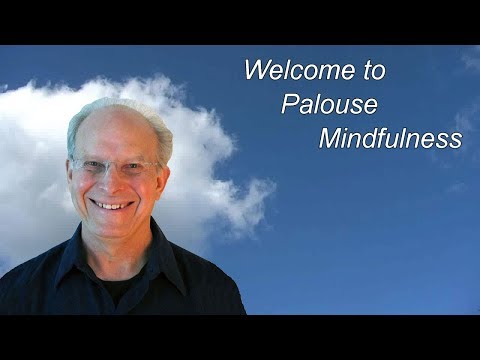
The topic of Palouse Mindfulness has been stirring curiosity among folks interested in mental well-being and mindfulness practices. So, what’s the deal? Well, Palouse Mindfulness offers an online program that aims to teach mindfulness and meditation skills based on the principles of Jon Kabat-Zinn’s Mindfulness-Based Stress Reduction (MBSR).
Legitimacy is crucial when exploring any program. Palouse Mindfulness is anchored in research-backed practices. It’s built on methods that have been studied extensively in psychological literature. Participants are encouraged to engage in meditation and awareness exercises which can help manage stress, anxiety, and improve overall emotional health.
You might find it interesting that the format of Palouse Mindfulness is pretty accessible. It includes video lessons, guided meditations, and practice exercises. You know how sometimes you just need a little nudge to get going? That’s where these tools come in handy!
- Accessibility: The program is available online for free, making it easy for many people to jump in.
- Structure: Unlike some less formal mindfulness courses, this one provides a clear framework.
- Evidenced-Based: The roots in MBSR mean it draws from a foundation that has been evaluated and tested over the years.
Now, let’s chat about personal experiences. Picture this: Imagine you’re feeling overwhelmed by life—work stress, family issues, all that jazz. You stumble upon this mindfulness program. You start practicing regularly and gradually notice you respond to daily challenges with a bit more calmness. It’s like finding an anchor in rough waters.
However, while many people report positive outcomes, it’s important to remember that results can vary from person to person. Some may experience profound shifts while others might not resonate as much with the practice. And there lies a key point: mindfulness takes time and commitment.
That said, there are critiques too! Some skeptics question if an online course can capture the essence of face-to-face interactions found in traditional settings like local clinics or retreats. While technology helps bridge gaps—it lacks some of those organic vibes you get when sitting with others.
So basically, if you’re pondering whether Palouse Mindfulness is legit: It offers well-structured content grounded in solid psychological principles—but remember your experience might not mirror someone else’s journey.
Ultimately, it all boils down to personal preference and your unique circumstances. If you’re curious about trying it out for yourself—why not give it a shot? You never know what you might discover about yourself along the way!
Understanding the Costs of Palouse Mindfulness Programs: What You Need to Know
When diving into the world of mindfulness programs, especially in a specific spot like the Palouse, there are some important costs to consider. And I don’t just mean money. Mindfulness isn’t just a trendy buzzword; it’s a practice rooted in psychological principles.
First off, let’s talk about the financial aspect. Many programs may charge different fees depending on their format—retreats, workshops, or ongoing classes. Some might range from a small fee for drop-in sessions to several hundred dollars for retreats that last a weekend or even longer.
- Your Time: You’re also investing your time. Practicing mindfulness takes commitment. Weekly classes might last an hour or two, but you’ll need extra time to practice on your own.
- Your Mental Space: It can be emotionally taxing at times, especially when you start digging into your thoughts and feelings. So be ready for some surprising moments!
- Your Expectations: If you go in thinking this is a quick fix for stress or anxiety, you might be disappointed. Mindfulness is more like planting seeds and waiting for them to grow.
Now about those emotional costs? Well, it’s essential to acknowledge that mindfulness can stir up some intense feelings. You might find yourself face-to-face with issues you’ve been avoiding. For example, during meditation sessions, it’s not uncommon to have those “ah-ha” moments that can be both liberating and overwhelming. Understanding this part helps put everything in perspective.
I think it’s also worth mentioning community dynamics. Engaging in these programs usually means connecting with others who are on similar journeys. That can feel fantastic but may also bring up feelings of vulnerability or comparison—everybody’s got their own struggles!
The setting is crucial too! The beautiful landscapes of the Palouse add an extra layer of peace that many say enhances their experience. But remember, even in such serene environments, real change requires hard work.
If you’re considering jumping into a mindfulness program in the Palouse or anywhere else really—look beyond just the price tag and think about what *you* are really getting into.
Comprehensive Review of Palouse Mindfulness: Insights and Effectiveness
Mindfulness is one of those terms that seems to be everywhere these days, right? But basically, it’s about being present in the moment—like really present. When you think about Palouse Mindfulness, you’re looking at a program that teaches these techniques in a structured way. It comes from the Palouse region of Washington and focuses on cultivating mindfulness through various exercises.
The whole idea is to help people manage stress, anxiety, and other emotional challenges. So what do they actually do? Here are some key points:
- Structured Program: Palouse Mindfulness offers an eight-week course that covers various aspects of mindfulness meditation. You get guided meditations and readings each week to help you practice.
- Accessibility: The course is available online for free! This makes it super accessible to anyone who wants to dive into mindfulness without financial barriers.
- Evidence-Based Approach: The program is based on principles from Jon Kabat-Zinn, a pioneer in mindfulness studies. His methods have been shown to be effective in various research studies.
- Community Support: Even though it’s online, the program often connects participants through forums or group discussions. Feeling like you’re part of something can make a big difference!
One of the most compelling things about this program is how it promotes self-awareness. Imagine you’re sitting in traffic, feeling your blood pressure rising—mindfulness can help you step back and just breathe through that irritation instead of letting it take over your mood.
And let’s not forget about real-life impact! You might remember someone who struggled with anxiety for years but found relief after practicing mindfulness techniques regularly; they began feeling more grounded and less overwhelmed by everyday situations. That’s the power of this practice!
That said, it’s essential to understand that mindfulness isn’t a magic pill. Some people might find the concepts difficult at first or not feel an immediate change in their mental health status—and that’s okay! Like anything else worthwhile, it takes time and commitment.
In summary, Palouse Mindfulness provides valuable resources for cultivating mindfulness through structured courses with evidence-based practices. It’s all about finding what works for you and being patient with yourself as you explore this journey toward greater awareness.
You know, being in a place like the Palouse, with its rolling hills and wide-open skies, can really do wonders for your mind. There’s something about nature that just helps you breathe deeper and feel more present. It kinda makes sense when you think about cultivating mindfulness.
So, mindfulness is all about being in the moment—like really in it, not just skimming the surface. Picture yourself walking through those lush green fields, feeling the gentle breeze on your skin and hearing the rustle of leaves. And honestly? That’s a big part of what mindfulness is: tuning into your surroundings and noticing what’s happening right now.
When I first started exploring mindfulness, it felt a bit awkward and forced. Like, I’d be sitting there trying to clear my head but just ended up making a grocery list in my mind instead! Ever been there? But over time, I realized it’s less about emptying your thoughts and more about acknowledging them without judgment. So you might notice that you’re thinking about dinner or stressing over work stuff—and that’s okay! Just recognize it and then bring your focus back to what’s around you.
Living in the Palouse means you’re surrounded by beauty. It offers an almost instant reminder to slow down and appreciate everything from a vibrant sunset to the sound of grass swaying. Each little detail can be an invitation to practice presence. You could even try simple things like pausing for a minute during hikes or walks to take it all in—smell the wildflowers or listen for bird songs.
There’s also this psychological aspect where practicing mindfulness can seriously help reduce stress and anxiety. When you’re grounded in the present moment, it’s easier to let go of worries about things that haven’t even happened yet! It reminds me of this one time when I was out on a hike alone; I’d been stressed with everything going on in life. But just standing there at one overlook, watching clouds shift colors as the sun set made those worries feel so distant—a real breath of fresh air!
So yeah, cultivating mindfulness isn’t just some trendy buzzword; it’s truly about connecting deeply within yourself while embracing what’s around you. And living amidst such natural beauty is basically a little nudge towards that practice every day!