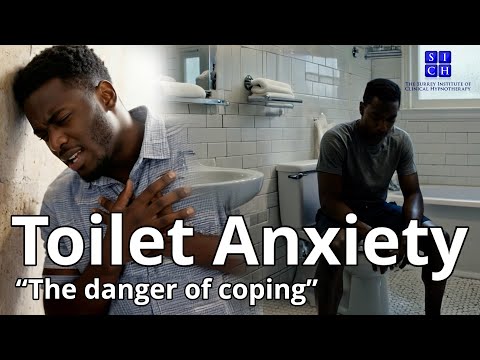
So, let’s talk about panic attacks and depression. Yeah, those two heavyweights that love to crash our party. They can really mess with your head and emotions, right?
You’re out enjoying life one moment, and then bam! Anxiety hits like a freight train. It’s like you’re suddenly in a horror movie where you can’t escape. Pretty scary stuff, huh?
And then there’s the shadow of depression lurking around. It steals your energy and motivation, making even small things feel like climbing a mountain. Seriously, who wants to deal with that?
But here’s the thing: you’re not alone in this! Understanding how your mind works can be a game-changer. By looking at it through a psychological lens, we can navigate these tricky waters together.
So grab a comfy seat and let’s break this down in a chill way that makes it all feel a bit more manageable. You in?
Effective Psychological Interventions for Managing Panic Attacks: Strategies and Insights
Panic attacks can feel like the world is crashing down around you, right? Your heart races, breathing gets all messy, and you’re convinced something terrible is about to happen. It’s pretty intense and can leave you feeling drained and anxious afterward. But fear not! There are some solid strategies to help manage them.
One of the most effective ways to navigate through panic attacks is almost like having a trusty toolbox. You know, places where you keep your best tools handy? Here are some key strategies that might help:
- Grounding Techniques: When a panic attack hits, your mind can spiral out of control. Grounding techniques can pull you back to the present moment. Try focusing on your surroundings—what do you see, hear, or feel? This awareness can be super calming.
- Deep Breathing: It sounds simple but breathing properly is so important! Try inhaling deeply through your nose for a count of four, holding it for four seconds, and then slowly exhaling through your mouth for another four counts. Doing this repeatedly signals your body to chill out.
- Cognitive Restructuring: Panic usually comes with negative thoughts that spiral into overthinking. Challenging those thoughts can be powerful. Ask yourself: «Is this thought true?» or «What evidence do I have?» Sometimes just naming the anxious thought as “just a thought” rather than fact helps take its power away.
- Visualization: Picture yourself in a calm place. Maybe it’s a sunny beach or a quiet park—you know what works for you! Imagining this environment helps shift your focus and lessen feelings of panic.
- Stay Active: Physical activity really helps reduce anxiety overall. Going for a walk or doing some light exercise releases endorphins which are like little mood boosters in our brains!
You might find it helpful to keep a journal too. Writing down when these attacks occur can help identify triggers—like stressful situations or certain feelings that come before an attack hits. Knowing what sets off the panic can feel empowering.
This all brings me back to an old friend who once told me about her battle with panic attacks during stressful finals at college. During those moments, she’d have her own grounding mantra—something like “I’m safe right here.” Instead of spiraling into chaos, she focused on that phrase while doing her deep breathing exercises in the bathroom stall! Talk about creativity under pressure!
The thing is not every strategy works for everyone—some might resonate more than others based on personal experiences and preferences. Experiment with these strategies and see what fits you best!
If any of this feels overwhelming at times? That’s totally okay! It’s normal when dealing with something as intense as panic attacks or even depression. Just remember that reaching out to supportive friends or even mental health professionals can make a big difference in managing these experiences.
Panic attacks are tough but learning how to handle them makes it easier over time—you’re stronger than you think!
Effective Strategies to Scientifically Overcome Panic Attacks
Panic attacks can feel like you’re stuck in a wild rollercoaster ride, and it’s totally understandable to want to find ways to manage them. Here are some effective strategies you can use, based on psychological insights.
Breathing Techniques: One of the first things to try when you feel a panic attack creeping in is focusing on your breath. Seriously, take a minute and just breathe. You can practice diaphragmatic breathing, which means inhaling deeply through your nose, letting your belly expand, and then exhaling slowly through your mouth. This helps calm your nervous system down—like hitting the brakes on that wild ride!
Grounding Exercises: When panic strikes, sometimes it helps to ground yourself in the present moment. Try the 5-4-3-2-1 technique. Look around and notice five things you can see, four things you can touch, three sounds you can hear, two smells you can identify, and one thing you can taste. This might sound simple, but it really helps shift your focus away from the intense feelings of anxiety.
Cognitive Behavioral Techniques: A lot of folks have found success with Cognitive Behavioral Therapy (CBT). Basically, this approach encourages you to challenge those negative thoughts that pop up during a panic attack. If you’re thinking “I’m going to die” or “I can’t breathe,” take a step back. Ask yourself: Is this thought true? What evidence do I have? It’s like playing detective with your own mind.
Regular Physical Activity: Getting active doesn’t just help physically; it works wonders for mental health too! Regular exercise releases endorphins—the happy hormones—and reduces overall stress levels. So maybe go for a walk or hit the gym; even dancing around your living room counts!
Adequate Sleep: Never underestimate the power of good sleep! When you’re well-rested, you’re less likely to feel overwhelmed by stress and anxiety. Aim for seven to nine hours each night—not always easy but definitely worth it.
Avoid Triggers: If certain situations or substances—like caffeine or alcohol—seem to set off your panic attacks, be mindful about those triggers. Keeping a journal might help spot patterns over time.
The Importance of Support: You don’t have to face this alone! Talking about what you’re experiencing with friends or family members who understand can make a world of difference. Sometimes just knowing someone is there for you provides that comforting safety net.
So yeah, managing panic attacks is definitely no walk in the park, but armed with these strategies could make navigating through them way more manageable. Remember that finding what works best for you may take some time—just be gentle with yourself along the way!
Understanding the Differences: Panic Attack vs Anxiety Attack Explained
When it comes to feeling anxious or overwhelmed, the terms «panic attack» and «anxiety attack» often get tossed around like they’re interchangeable. But they’re not quite the same, you know? Let’s break it down.
Panic Attacks:
So, a panic attack is like being hit by a freight train out of nowhere. You might be just sitting there, chilling, and then BAM! Your heart starts racing, your breathing gets all weird, maybe you feel dizzy or even like you’re losing control. It’s a sudden wave of intense fear that peaks within minutes.
You could experience sweating, chest pain, trembling, or chills. It can feel really alarming since it mimics things like heart problems.
Panic attacks usually last about 10 to 20 minutes but can feel much longer. After it passes though, some people feel pretty wiped out.
Sometimes they pop up randomly without an obvious trigger. Other times they could be linked to specific situations (like public speaking), but not always.
Now let’s flip the script on anxiety attacks.
Anxiety Attacks:
Anxiety attacks aren’t as clearly defined in medical literature as panic attacks are. They’re more about that ongoing feeling of worry or dread that builds up over time. Instead of hitting hard and fast, they creep in slowly.
You might feel restless, tense muscles or have difficulty concentrating—like your brain just won’t settle down.
They can last for hours or even days if the stressor hangs around; think of it as a marathon rather than a sprint.
Anxiety usually has identifiable causes—maybe it’s work stress or relationship issues—that keep gnawing at you until you’re overwhelmed.
The Emotional Rollercoaster
Here’s where things get emotional: when I think back on my friend’s experience with anxiety and panic attacks—it was rough. She used to worry constantly about her job; then one day at work during a presentation—a complete panic attack hit her without warning. The poor thing thought she was having a heart attack! That moment made her realize how these two beasts were different yet intertwined in their own chaotic ways.
In short:
– **Panic attacks** are sudden bursts of intense fear with prominent physical symptoms.
– **Anxiety attacks** are more chronic feelings of anxiety tied to specific stressors.
Both can be pretty overwhelming for anyone dealing with them. Just remember: awareness is key! Knowing what you’re experiencing can help you find ways to cope—whether that’s through self-help strategies or seeking support from others who understand where you’re coming from.
Panic attacks and depression can really feel like you’re stuck in a whirlwind, right? One moment, you’re going about your day, and then suddenly—bam! You feel this intense wave of anxiety or a heavy fog creeping in. Pretty rough stuff. The thing is, these experiences have a lot more to them when you look at them through a psychological lens.
Let’s take panic attacks first. They’re like your body’s alarm system going haywire. Imagine you’re walking in the woods, enjoying the scenery, when out of nowhere, a bear pops up. Your heart races, your palms get sweaty—classic fight-or-flight response kicking in. But sometimes that alarm goes off for no reason at all, and it can be super frustrating because you don’t see the bear! You might find yourself avoiding certain situations, like crowded places or even just going for a walk because you’re scared of having another attack. That avoidance might give you temporary relief but can actually make things worse in the long run.
Now onto depression—it often feels like carrying this heavy backpack filled with stones everywhere you go. It weighs you down and makes everything seem so much harder than it needs to be. Psychologically speaking, thoughts play an enormous role here too. Negative self-talk becomes the soundtrack of your life while everything gets dimmer around you. You find it tough to get out of bed or enjoy things that once brought joy.
But here’s where it gets interesting: those two often dance together. A panic attack can feed into feelings of helplessness that deepen depression; meanwhile, depression can heighten anxiety about having another panic episode. It’s like getting caught in this vicious loop where one feeds the other.
A friend of mine once shared her experience with panic attacks and how they led to her feeling really down for months on end. She described it as being trapped inside a glass box—she could see everyone else living their lives but felt so isolated inside her fears and sadness. What helped was learning about these mental processes—realizing that what she was experiencing wasn’t just “the worst thing ever.” Understanding how her brain was working made her feel less alone and more empowered to take small steps forward.
Coping strategies really vary person-to-person but often start with awareness—knowing what’s happening when those feelings hit helps soften their blow a bit. Techniques like deep breathing or grounding exercises can help re-center you during those overwhelming moments. Plus connecting with others who understand what you’re going through can be soothing because suddenly, it’s not just you battling those monsters.
So yeah, navigating through panic attacks and depression isn’t easy by any means—but getting familiar with what’s happening inside your head is totally key in taking back some control over how these feelings affect your life!