You know that feeling when you’re just sitting there, and your mind starts racing? Like, all those weird thoughts pop up, and you start questioning everything?
Paranoia can hit us like a ton of bricks. And sometimes, it’s not just paranoia; it’s something deeper, like schizophrenia.
It’s kind of scary to think about how our minds can play tricks on us. Seriously! Imagine believing someone’s out to get you when it’s just your brain going haywire.
We’re gonna dig into this stuff, break it down—you’ll see how these mental experiences aren’t just random but part of a bigger picture of mental distress. So, buckle up!
Understanding the Connection Between Paranoia and Schizophrenia: Insights and Implications
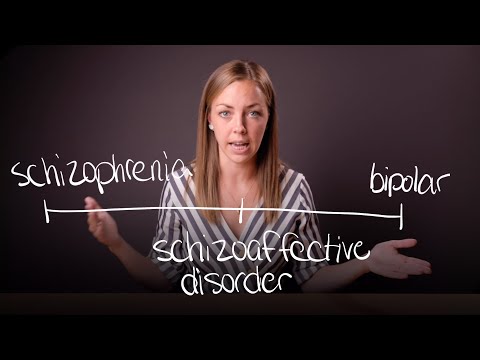
Paranoia and schizophrenia are definitely interlinked, but it’s important to break down what that means without getting too deep into the jargon. Basically, both can involve some pretty overwhelming feelings, but they come from different places and affect people in unique ways.
Let’s start with **paranoia**. This is that nagging feeling you get when you think something’s off. Like when you feel like someone’s watching you or plotting against you. It can range from mild suspicion to full-blown delusions where you genuinely believe others are out to harm you. You might feel paranoid about your coworkers, thinking they’re gossiping about you or planning something behind your back. It’s unsettling, right?
Then there’s **schizophrenia**, which is a more complex mental health condition. It involves a combination of symptoms like hallucinations (hearing or seeing things that aren’t there), delusions (firmly held beliefs despite contrary evidence), disorganized thinking, and impaired functioning. People with schizophrenia might hear voices telling them things that can be frightening or confusing. It’s like being stuck in a reality where nothing feels stable.
Now, here’s where it gets interesting: paranoia can be a symptom of schizophrenia, but not everyone who experiences paranoia has schizophrenia. In fact, paranoia can show up in various forms of anxiety disorders as well. Some folks with personality disorders or even severe depression can have these paranoid tendencies too!
When we talk about the connection between the two, we find that paranoia in schizophrenia often includes complex delusions—believing someone is conspiring against you at a grand scale—like being followed by secret agents! This isn’t just feeling suspicious; it can be a deeply entrenched belief that colors how someone sees the world around them.
The implications? Understanding this connection helps us figure out how to support individuals dealing with these issues better. For example:
- Early Intervention: Recognizing paranoia early on could lead to better treatments for those at risk of developing schizophrenia.
- Tailored Support: People struggling with paranoia need different strategies than those dealing solely with depression or anxiety.
- Stigma Reduction: By understanding the nuances between these experiences, we can help reduce stigma and promote empathy.
Imagine someone living their life dominated by fears of how others perceive them—it must be exhausting! Understanding these patterns helps us see not just diagnoses on paper but also real lives impacted by them.
To wrap it up nicely: while there’s definitely overlap between paranoia and schizophrenia, they’re not interchangeable terms. Knowing how they relate allows for a more compassionate approach to mental health care that truly addresses what someone might be going through! So yeah, awareness matters big time!
Understanding the Three Categories of Schizophrenia Symptoms: A Comprehensive Guide
Understanding schizophrenia symptoms can be pretty complex, but breaking it down into three categories makes it a bit easier. So, what are those categories? Well, they’re generally classified as positive symptoms, negative symptoms, and cognitive symptoms. Let’s take a deep breath and dive right into them.
Positive Symptoms are basically what you might think of as “extra” behaviors that aren’t typically seen in most people. These can include hallucinations and delusions. For instance, someone might hear voices that aren’t there or believe they’re being followed by someone who actually isn’t. It’s like your brain is playing tricks on you, creating realities that just don’t exist. Seriously, imagine walking down the street and feeling like everyone is staring at you with some hidden agenda—super unsettling!
Now let’s talk about Negative Symptoms. This category refers to a lack or absence of normal functions or feelings. People with these symptoms may find it super hard to express emotions or even enjoy things they once loved. You could say it’s like feeling a bit numb emotionally. Picture a person who used to love hanging out with friends but now just prefers to stay home alone all the time; that’s essentially what we mean here.
Lastly, we have Cognitive Symptoms. These are all about how you think and process information. It can be tricky because these symptoms may not always be obvious. Someone might struggle with attention or memory issues, making it hard to focus on tasks or remember things from one moment to the next. You know when you’re trying really hard to pay attention in class or a meeting but your mind keeps wandering? That’s kind of what cognitive symptoms feel like on a more pronounced level.
So why does understanding these categories matter? Well, recognizing the different types of schizophrenia symptoms can help clarify what’s going on for someone experiencing mental distress and pave the way for more tailored support strategies.
In a nutshell:
- Positive Symptoms: Hallucinations and delusions; extra things that aren’t usually there.
- Negative Symptoms: Emotional numbness; less enjoyment in life.
- Cognitive Symptoms: Difficulty focusing and memory issues; thinking struggles.
When talking about paranoia specifically linked to schizophrenia, it often falls under those positive symptoms—especially in the form of delusions where someone believes they are being watched or persecuted without any evidence to back it up.
You see? Understanding these categories doesn’t just help in academia; it helps us grasp the human experience when dealing with such profound mental distress. And by shedding light on this stuff, we can hopefully create compassion instead of judgment for those affected by schizophrenia.
Paranoia and schizophrenia are two terms that float around a lot in conversations about mental health, and honestly, they can feel a bit confusing. I mean, when you hear “paranoia,” what pops into your head? Maybe someone who thinks people are out to get them? And schizophrenia—well, that’s often linked with hallucinations or feeling disconnected from reality. But there’s so much more going on beneath the surface.
Let me share a quick story. A friend of mine had a rough time with these experiences. She would often feel like her neighbors were watching her every move or plotting something against her. It wasn’t just random anxiety either; it was like this overwhelming thought that she couldn’t shake off. And wow, did it impact her day-to-day life! Things that seemed normal to us were coiled up in fear for her.
So let’s break this down a bit. Paranoia can actually range from mild suspicion to intense fear. Sometimes, it’s rooted in real experiences—like if you’ve been cheated on or betrayed before, your mind might start playing tricks on you even when things seem fine.
Now, schizophrenia isn’t just about the crazy moments we sometimes see in movies; that’s a huge misconception. It’s this complex mental health condition where people can experience delusions (like those paranoid thoughts) and hallucinations (seeing or hearing things that aren’t there). Imagine being in a crowded room but feeling completely isolated because your own mind is telling you everyone is dangerous. That’s tough!
The thing is, both paranoia and schizophrenia can stem from various factors—genetic predispositions, environmental stressors, or even traumatic experiences. You know how sometimes life feels like it throws you curveballs? For people struggling with these conditions, those curveballs can turn into walls they can’t seem to climb over.
And here’s what really stands out: the stigma surrounding these issues often makes things worse. Picture this: my friend didn’t just battle her thoughts; she also faced the judgment of others who didn’t understand what she was going through. That isolation adds another layer of distress! It reinforces the cycle of fear and paranoia because if you feel misunderstood, it becomes harder to reach out for help.
So yeah, understanding paranoia and schizophrenia isn’t just about labeling someone or writing them off as «crazy.» It’s crucial to approach these topics with empathy and awareness that everyone’s story is different. The more we talk about these struggles openly without judgment, the easier it might be for folks dealing with similar situations to feel seen and heard.
Ultimately, while it’s important to recognize the seriousness of paranoia and schizophrenia as mental health challenges, it’s equally vital to create an environment where individuals affected can find support rather than rejection or misunderstanding—that’s how we start breaking down some barriers together!