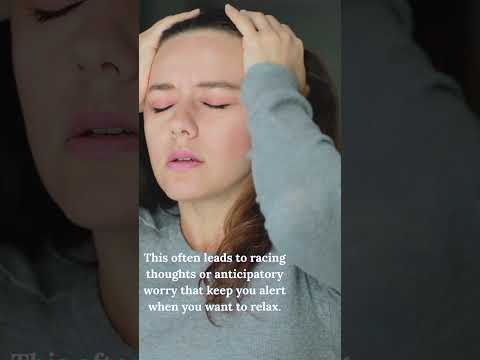
You know how some nights you just can’t sleep? Like, you toss and turn, and it feels like your brain’s running a marathon? Well, for many women in perimenopause, that’s a common struggle.
Seriously, it’s like your body decides to join an all-night rave while you just want some peace and quiet. Hormonal changes can really mess with your sleep patterns. It’s frustrating and exhausting.
So, what’s going on up there? Let’s dig into the psychological effects of perimenopause on sleep. You might find out you’re not alone in this wild ride!
Effective Strategies to Address Sleep Issues During Perimenopause
Addressing sleep issues during perimenopause can feel like navigating a weird maze, right? Your body is changing, hormones are all over the place, and suddenly, sleep feels like a distant memory. Let’s break down some effective strategies to help you find your way through this maze.
First off, understanding how perimenopause affects sleep is crucial. You might notice things like hot flashes or mood swings messing with your nightly routine. These symptoms can lead to insomnia or restless nights—like trying to fall asleep on a roller coaster! That’s because fluctuating hormones can disrupt the sleep-wake cycle.
Something that really helps is establishing a consistent sleep schedule. Going to bed and waking up at the same time every day helps regulate your body’s internal clock. It’s pretty simple: if you can create a rhythm for your body, that might make it easier to fall asleep and wake up feeling refreshed.
Also, creating a calming bedtime routine can make a big difference. Think of it as setting the stage for sleep: dim the lights, read a book (but not on your phone!), or try some gentle stretching or meditation. Imagine winding down after a long day rather than feeling rushed—it makes hitting the pillow way more inviting!
Another smart move is to pay attention to what you eat and drink before bed. Avoiding caffeine and heavy meals in the evening can help you fall asleep easier. Think about those times you had coffee late in the day—didn’t turn out too well for sleeping, did it? You know what I mean. Instead, maybe opt for herbal tea (chamomile rules!) or a light snack if you’re hungry.
Then there’s making your bedroom an oasis. Keep it dark, quiet, and cool—create that perfect sanctuary for sleep! Sometimes even little things matter; so consider blackout curtains and maybe wear earplugs if noise bothers you.
Don’t forget about movement! Regular exercise can be super beneficial for better sleep quality—just not too close to bedtime as it might keep you wired longer than you’d want!
Lastly, if those pesky symptoms still keep you wide awake at night, talking to someone like your doctor could be helpful. They can discuss options that may aid with hormone fluctuations impacting your slumber.
To sum up:
- Create a consistent sleep schedule.
- Establish a calming bedtime routine.
- Avoid caffeine and heavy meals before bed.
- Make your bedroom comfortable.
- Incorporate regular exercise into your day.
- Consult with healthcare professionals if needed.
Navigating through these changes isn’t always easy, but trying out these strategies might just help reclaim those precious Zzzs during perimenopause!
Understanding Late Stage Perimenopause: Symptoms, Causes, and Management Strategies
Late stage perimenopause can be a tricky time for many people. Basically, it’s that lumpy transition phase leading up to menopause, and let me tell you, it can come with a rollercoaster of symptoms. Some might be familiar, but others can hit you out of nowhere.
One major complaint? Sleep disturbances. It’s like your body decided to throw a late-night party while you’re just trying to catch some z’s! The hormonal fluctuations—particularly in estrogen and progesterone—can really shake things up. You might find yourself tossing and turning, or waking up feeling wide awake at 3 a.m., even if you went to bed exhausted.
Symptoms of late stage perimenopause often include:
So, what exactly causes these symptoms? Well, aside from those fluctuating hormones messing with your system, lifestyle factors play their part too. Stress levels are often elevated during this time due to various life changes—kids leaving home, career shifts, or health concerns. Mix that with poor sleep quality and you’ve got a recipe for fatigue and anxiety.
Managing these changes isn’t always easy but there are strategies that can help you regain control.
Here are some management strategies for sleep disturbances during late stage perimenopause:
The emotional aspect is huge too! Honestly, it’s tough to juggle everything while trying to cope with these changes. You might feel isolated or misunderstood if friends don’t seem to get what you’re going through. But you’re definitely not alone in this! Sharing experiences with others facing similar challenges—maybe in support groups or even casual chats—can really lighten the load.
Recognizing what’s happening within your body is step one toward managing late stage perimenopause effectively. Just remember: it’s okay to seek support when things feel overwhelming; talking about these feelings is part of finding relief. So embrace those little victories as you navigate this complex yet completely natural phase of life!
Understanding the Role of Endocrinologists in Managing Perimenopause: Benefits and Insights
Perimenopause can be a real rollercoaster, right? Just when you think you’ve settled into a routine, your body decides to throw in some unexpected twists. This transitional phase leading up to menopause often means fluctuating hormone levels that can seriously affect sleep and mood. Here’s where endocrinologists come into play.
What does an endocrinologist do? Well, they specialize in hormones and how these little guys impact our bodies. During perimenopause, estrogen and progesterone levels can be all over the place, which is why seeing an endocrinologist can really help you navigate this journey. They dig deep into how these hormonal changes are affecting your life.
Let’s face it: sleep disruptions are super common during perimenopause. You might find yourself tossing and turning at night or waking up feeling like you just ran a marathon. This happens because hormonal fluctuations can mess with your body’s natural sleep cycle. An endocrinologist can assess these hormonal levels through blood tests—basically checking what’s going on under the hood.
The benefits of consulting with an endocrinologist include:
For instance, remember when Sarah—a friend of mine—started having night sweats and mood swings? She was completely baffled by the changes because she thought it was just stress from work. After seeing an endocrinologist, she learned her estrogen was low during this phase of her life. With some guidance on lifestyle changes and possibly hormone therapy, she noticed significant improvements in her sleep patterns and mood.
The emotional toll from disrupted sleep isn’t something to brush off either. If you’re fatigue is leaving you feeling irritable or anxious, know that it’s totally valid to seek help! An endocrinologist doesn’t just treat the symptoms; they also consider the bigger picture of mental health during perimenopause.
In summary, getting support from an endocrinologist while navigating perimenopause could be pretty game-changing for managing those annoying sleep issues and emotional ups-and-downs. Having someone who understands the hormonal shifts allows you to focus on living life fully—even during this challenging time!
Perimenopause is one of those life stages that can feel like a rollercoaster, right? You’re cruising along, and then suddenly everything shifts. For many women, this phase brings about changes in the menstrual cycle, mood swings, and a bunch of other physical symptoms. But one thing that often gets overlooked is sleep—oh man, sleep can really take a hit during this time.
You might find yourself tossing and turning at night. It’s frustrating. I remember a friend telling me about how she’d wake up drenched in sweat or simply couldn’t fall asleep at all. It’s like her body decided that sleep was no longer on the menu! And honestly, when you’re already dealing with mood swings or hot flashes during the day, not getting enough shut-eye can make everything feel ten times worse.
The psychological effects here can’t be ignored. Lack of sleep doesn’t just leave you feeling groggy; it can also mess with your mental health. You might notice you’re more irritable or anxious, which only adds to the stress of an already tumultuous time in life. It’s a bit of a vicious cycle—you don’t sleep well because you’re stressed, and then being tired makes you even more stressed!
And let’s not forget how society views aging and menopause. There’s often this stigma attached to the changes that come with it. You might feel like there’s this pressure to be ‘fine’ all the time while juggling everything else in life—career, family, friendships—and suddenly sleep issues make it even harder to keep up that façade.
This phase is tough; it’s important to acknowledge how these experiences shape your overall well-being. If you’re feeling off-balance or struggling with sleep during perimenopause, know that you’re not alone! It might help to talk about it with others going through the same thing or just reaching out for support where you can. Everyone deserves good rest—even during the whirlwind of perimenopause!