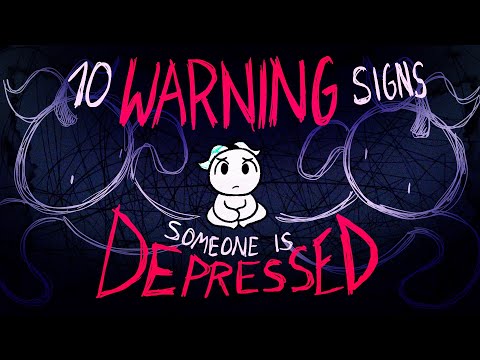
You know that feeling when the clouds just won’t clear? Like, no matter what, that gray gloom hangs around? That’s kind of what living with persistent depression is like.
It’s not just about being sad. Nah, it’s way more complicated than that. Some days, you might feel heavy, almost like you’re dragging this weight behind you. Other days? You could be numb, just going through the motions without really feeling anything.
So let’s chat about it. Let’s unpack those shadows that stick around longer than we’d want them to. You’ve probably seen it in friends or even felt it yourself. It can get tricky to navigate, but talking about it is a step worth taking!
Downloadable Persistent Depression Screener PDF: Effective Tools for Assessment and Support
Persistent depression can feel like a heavy blanket that just won’t budge. You wake up feeling worn out, even if you just slept for hours. It’s tough to find joy in things that once made you happy. You might notice that it affects your friendships and work, too. That’s why understanding it and finding the right tools to assess it is super important.
One tool that can be really helpful is the Persistent Depression Screener. This is basically a set of questions aimed at helping you or someone else figure out how deep those shadows of depression really go.
- Why Use a Screener? The screener helps in identifying symptoms of persistent depression over time. It’s not just about feeling sad for a day or two; it looks at how those feelings linger and affect life.
- Self-Assessment You can fill this out on your own, which gives you privacy and allows for some honest reflection. You might find some questions hit closer to home than others.
- Professional Input If you share your screener results with a healthcare provider, they can help interpret them and suggest next steps based on your answers.
- Psychoeducation These tools come with information about persistent depression itself—what it includes, what symptoms are commonly experienced, and potential pathways for support.
- Next Steps Completing this screener isn’t a diagnosis; it’s more like a map guiding you toward getting the support you need.
A quick example: imagine a friend who used to love hiking but now hardly leaves their house because they feel drained all the time. They try to shake it off but those feelings don’t go away easily. A persistent depression screener can help them reflect on their feelings and behaviors over recent months.
The thing is—these tools are just one piece of the puzzle. It’s crucial to combine them with other forms of support, like talk therapy or even connecting with supportive friends or family members. Sometimes talking about what you’re going through can lighten that heavy blanket just a bit!
The best part? Many screeners are available as PDF downloads, making them easy to fill out at your own pace, whether you’re at home or on the go. Just make sure you’re in a comfortable space where you can think clearly—it can get pretty deep!
Persistent depression isn’t something anyone needs to face alone. With the right tools and support systems in place, navigating through these shadows may become more manageable over time.
Effective Strategies for Managing Dysthymia: A Comprehensive Guide
Dysthymia, or persistent depressive disorder, is like living with a heavy backpack all the time. You know, that dull feeling that lingers for years, making everything feel just a bit harder? It’s not the same as major depression; it’s subtler but no less challenging. If you or someone you care about is grappling with something like this, there are ways to manage those shadows.
Understanding Dysthymia
First up, let’s break down what dysthymia really is. You might feel this persistent sadness or low energy, and it can mess with your daily life. It often comes paired with feelings of hopelessness and self-doubt. The thing is, these emotions can distort how you see yourself and your future. One day might feel okay-ish, while the next can drop you right back down into that gray mood.
Effective Strategies for Managing Dysthymia
- Routine Building: Structure can be your best friend. Establishing daily routines helps create a sense of normalcy. Even simple things like setting a regular bedtime or planning meals can make a difference in your mindset.
- Mindfulness Practices: Mindfulness isn’t just a trendy buzzword; it can help center your thoughts. Just taking a few minutes each day to focus on your breath or notice your surroundings can help ground you.
- Physical Activity: Exercise may seem daunting when you’re feeling low but moving your body releases those lovely endorphins. Even if it’s just a short walk around the block—get that blood pumping! It’s surprising how much even light movement can shift your mood.
- Sociable Moments: Isolation often creeps in with dysthymia. Connecting with friends and family—even if it’s just a text—can provide emotional boosts. Share how you’re feeling; you’d be amazed at how understanding people can be!
- Cognitive Behavioral Techniques: The way we think shapes how we feel. If you catch yourself spiraling into negative thoughts, try to challenge them! Ask yourself if they’re true or if there’s another way to view the situation.
- Set Small Goals: Breaking tasks into tiny pieces makes them less overwhelming. Want to clean the kitchen? Start by just wiping down one counter instead of tackling it all at once.
Anecdote Time
Let me share something relatable here: I once had a friend who struggled with persistent sadness for years without realizing it was more than just “having off days.” She started journaling as part of her routine and began noting her thought patterns. Over time, she spotted repeated negative scripts she would play in her head—like “I’m not good enough” or “Things will never change.” By writing them down and then challenging those thoughts one by one, she slowly shifted her perspective.
The Importance of Professional Support
While these strategies are helpful self-help tools, don’t forget about reaching out for professional support if you’re feeling stuck in the rut—even sometimes just talking things out makes all the difference! Therapists offer new perspectives and coping skills tailored specifically to what you’re going through.
Managing dysthymia is no walk in the park—it takes time and effort—but remember that many have walked that path before you and found their way through those shadows back into the light! You’ve got this!
Navigating the Legal Implications of Lying on the Floor as a Sign of Depression: Rights and Responsibilities
Let’s talk about lying on the floor as a sign of depression. It’s something that many people might not understand, and it can come with a whole lot of emotions and legal implications too. So, if you or someone you know finds themselves in this situation, there are rights and responsibilities involved.
First off, when we mention lying on the floor, it often symbolizes feeling overwhelmed or utterly defeated. You might feel like you just can’t get up, and that’s okay; it happens to a lot of folks dealing with persistent depression. It’s not just about being lazy or unmotivated—it’s more profound than that. Imagine your friend Sarah, who after going through a tough breakup, found herself curled up on the floor for hours. It wasn’t about the floor itself. It was her way of coping—of dealing with all those shadows swirling around in her mind.
Now, onto the legal side of things. Here’s where it gets tricky. If someone is lying on the floor due to severe depression and they’re in public spaces, their actions might be misunderstood by others. People could think it signals something dangerous or inappropriate—especially if kids are around. In these cases:
- You have the right to express your mental health struggles.
- However, others also have a responsibility to ensure safety in public spaces.
- If law enforcement gets involved, their focus typically shifts toward ensuring everyone’s safety first.
This doesn’t mean that individuals living with depression should hide away because of fear or judgment. The law offers some protections under disability rights which means you shouldn’t face discrimination for your mental health issues.
A key point to remember is that laws protect your right to seek help without stigma attached to it. For example, if someone was lying on the ground at a bus stop because they were feeling really low and unable to move—a simple call for help would be appropriate instead of judgment from passersby.
Your responsibilities also play a role here though! If you find yourself in such depths of depression often, seeking support becomes vital. Whether that’s reaching out to friends or professionals who can provide guidance—not just for yourself but also for how your actions affect others around you.
The thing is this: living with persistent depression requires understanding from both sides—the person struggling and those observing them. There should be empathy instead of misunderstanding; society needs awareness that these behaviors aren’t just random—they’re expressions of pain needing compassion rather than critique.
In conclusion (without officially concluding!), remember that while rights exist around mental health issues like depression, so do responsibilities towards oneself and others. Navigating this space can feel overwhelming but reaching out for help can change everything!
There’s this thing about depression that people often don’t get. It’s like having a shadow following you around, no matter where you go. It doesn’t just hang out in the corners of your mind; it can seep into every crack of your life. You wake up, and it feels like there’s an invisible weight on your chest, holding you down before the day even starts.
I remember a time when my buddy Sam went through a rough patch. He was always the life of the party, cracking jokes and lifting everyone’s spirits. But then, out of nowhere, he started pulling away. I thought he was just busy with work or something, you know? But turns out he was dealing with this heavy blanket of sadness—persistent depression, to be exact. It took him a while to open up about it, but when he did, I saw just how complex it really is.
It wasn’t just feeling sad all the time for him; it was a mix of fatigue that could knock you flat and an overwhelming sense of hopelessness that twisted every thought into something dark. It’s like your brain is playing tricks on you—turning even the smallest tasks into monumental challenges. Imagine brushing your teeth feeling like climbing Everest—that’s kind of what it’s like.
People often think depression is just about being sad or moody, but that doesn’t even scratch the surface. There are these moments where everything seems fine on the outside: smiling faces at dinner parties or laughing at movies with friends. Yet within someone struggling with persistent depression, there can be this storm brewing silently beneath that exterior.
And let’s talk about those little slivers of joy we all crave. For someone dealing with this kind of shadow, those little joys can feel nearly impossible to hold onto. Maybe they want to enjoy a walk in nature or listen to their favorite song. But then there’s that nagging voice saying things like «You don’t deserve happiness» or «What’s the point?» Seriously disheartening stuff.
Sometimes it helps to understand that depression can ebb and flow; some days are better than others—but living in constant uncertainty is exhausting! You might find yourself thinking you’re doing okay only for the shadows to creep back in without warning.
So if someone opens up about their struggles with persistent depression—or if you’ve felt it yourself—know you’re not alone in this complex fight against shadows that seem so relentless. It’s important to acknowledge what they’re going through without trying to “fix” them right away because battling those storms takes time and patience—and sometimes just being there for someone makes all the difference.
At its core, understanding persistent depression means realizing it’s not just sadness but an intricate dance between emotions we can’t always see clearly—a journey worth exploring rather than shying away from altogether.