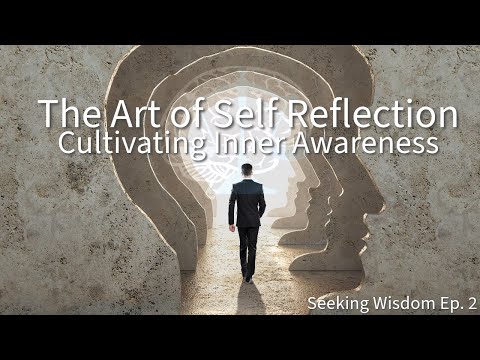
You know that feeling when you suddenly realize something about yourself? Like, “Whoa, I do that all the time!” It’s kind of wild, right?
Self-awareness is one of those buzzwords that gets tossed around a lot. But what does it really mean?
It’s essentially knowing who you are beneath all those layers of daily life. Think of it as peeking behind the curtain.
When you start to understand your thoughts and feelings, everything shifts. You start to see patterns in your behavior and maybe even a few things you’d like to change.
So, let’s chat about how to cultivate this self-awareness thing. It’s less about deep psychology textbooks and more about everyday moments that shape us. Sound good?
Understanding Self-Awareness: A Psychological Perspective on Its Meaning and Importance
Self-awareness is one of those buzzwords that gets tossed around a lot, but what does it really mean? Simply put, self-awareness is the ability to recognize and understand your own thoughts, emotions, and behaviors. It’s like having a mirror inside your head that reflects not just your actions, but also your motives behind them.
When you’re self-aware, it’s easier to see how you’re reacting to situations. For instance, let’s say you snap at a friend during a conversation. With self-awareness, you might realize that stress from work is making you more irritable than usual. This understanding can help you manage your emotions better and communicate more effectively.
But self-awareness isn’t just about recognizing negative traits. It’s also about understanding what makes you tick—the things that motivate and excite you. Imagine if you’re trying to figure out why you’re drawn to painting or hiking every weekend; having that awareness can guide important life choices and help you live in ways that truly fulfill you.
Being self-aware can lead to better relationships too. When you’re in tune with your feelings and behaviors, it’s much easier to empathize with others. You begin to see their perspectives and feelings without getting defensive. So when a friend shares something tough they’re going through, instead of shutting down or offering unsolicited advice, being self-aware allows you to respond with genuine support.
There are different levels of self-awareness as well. You might be aware of some aspects of yourself while overlooking others—like being great at managing stress but not realizing how perfectionism affects your happiness. Exploring these hidden areas can boost your personal growth significantly.
Now let’s talk about its importance:
- Better decision-making: You make choices based on who you are rather than just reacting impulsively.
- Emotional regulation: Recognizing what triggers certain emotions helps keep them in check.
- Enhanced relationships: Understanding yourself leads to greater empathy and connection with others.
- Personal growth: Awareness allows for reflection—learning from mistakes becomes easier.
Cultivating self-awareness isn’t always easy—it takes time. Sometimes it involves facing uncomfortable truths about yourself, which can feel daunting! But think of it this way: every time you dive a bit deeper into understanding yourself, you’re essentially setting the groundwork for becoming the best version of yourself.
In a world where distractions are everywhere—from social media scrolling to multi-tasking like crazy—taking time for self-reflection is crucial. It can be as simple as journaling daily or even sitting quietly for five minutes each day just to check-in on how you’re feeling.
The journey toward enhanced self-awareness might seem small but remember: those little steps often lead to big changes in how we experience life!
Exploring Self-Awareness: Key Examples and Insights for Personal Growth
Self-awareness is a pretty cool concept that plays a big role in personal growth. It’s basically about knowing yourself inside and out. Think of it like holding up a mirror and really seeing what’s there, the good, the bad, and everything in between.
Why is Self-Awareness Important?
First off, self-awareness helps you understand your thoughts and feelings. You know when you get angry over something small? It could be super helpful to figure out why you’re feeling that way. Maybe you had a rough day at work or something deeper is bothering you. When you can see those connections, it makes it easier to manage your emotions.
Types of Self-Awareness
There are two types of self-awareness:
- Internal Self-Awareness: This is about how well you know your own values, beliefs, and feelings.
- External Self-Awareness: This relates to how other people view you. It’s like seeing yourself through their eyes.
Both types are important for personal development. Imagine trying to fix a relationship without understanding what you’re bringing to the table and how others perceive it!
Anecdote Time
Let me tell you about a friend of mine, Jess. She used to get into fights with her partner over little things—like leaving dirty dishes in the sink or forgetting to call when she said she would. One day she finally sat down with herself and asked, “What’s really bugging me here?” Turns out she was feeling unappreciated at work too! Once Jess figured that out, she could communicate better instead of lashing out over minor annoyances.
Practicing Self-Awareness
So how can you build up your self-awareness? Here are some strategies:
- Journaling: Write down your thoughts and feelings regularly. It can help clarify what’s going on inside.
- Meditation: This isn’t just for yoga enthusiasts! Just sitting quietly can help clear your mind and let you tune into your inner voice.
- Feedback: Ask friends or family how they see you. Sometimes we’re blind to our own patterns.
These tools not only help in understanding yourself but also improve relationships with others.
The Benefits of Self-Awareness
When you’re more self-aware:
- You communicate better—less misunderstandings!
- You make choices aligned with who you truly are.
- You handle stress more effectively because you’re aware of what triggers it.
Think about it: if Jess had taken time to understand herself before jumping into arguments, maybe those conflicts wouldn’t have been so heated!
In short, cultivating self-awareness is like turning on a light in a dim room. You start seeing everything clearly—the corners where dust collects (bad habits), the clutter (emotional baggage), and even the shiny bits (your strengths). Trust me; it’s worth the effort!
Understanding the Significance of Self-Awareness in Personal and Professional Development
Self-awareness is like that spotlight you turn on to see what’s really going on inside your head and heart. It helps you understand your thoughts, feelings, and preferences better. So, why is it such a big deal in personal and professional development? Let’s break it down!
Self-awareness lets you recognize your emotions. You know when you’re feeling overwhelmed or anxious but can’t quite pinpoint why? That’s where self-awareness comes in handy. When you can name what you’re feeling, it allows you to manage those emotions effectively. Think about a time when stress hit hard before an exam or a big presentation. Recognizing that stress early could have helped you find ways to cope.
It also pushes you to reflect on your behavior and decisions. Let’s say you’ve had a disagreement with a coworker. If you’re self-aware, you’ll think about what part you played in that argument instead of just pointing fingers. This reflection allows room for personal growth and improves relationships.
Another thing is how self-awareness encourages accountability. It’s easy to blame others for challenges we face, but recognizing our role puts the power back in our hands. When you’ve messed up at work, owning up to it because you understand your mistakes shows maturity and builds trust with colleagues.
Also, being self-aware helps improve communication skills! You’ve probably been in situations where someone completely misunderstood what you were trying to say or how you felt—frustrating, right? But if you’re aware of how your words might come off, you can tailor your message better. You’ll likely find yourself being more clear and relatable.
In the professional world, self-awareness aids in leadership too. Good leaders know their strengths and weaknesses—and they’re not afraid to show vulnerability! If an exec can admit they aren’t great at public speaking but are brilliant strategists, team members appreciate that honesty much more than fake bravado.
Moreover, understanding your values guides decision-making both personally and professionally. For instance, if creativity is high on your list of priorities but you’re stuck in a corporate box that stifles that passion… well, the lightbulb moment might be it’s time for a change! Knowing what drives you keeps life fulfilling.
Lastly—here’s an emotional note—self-awareness often fosters empathy for others. The more attuned we are with ourselves, the better we can relate to other people’s feelings too. Imagine having gone through something tough; recognizing that struggle can help us extend compassion towards others facing similar battles.
In short:
- Recognizes emotions: Helps manage feelings before they spiral.
- Encourages reflection: Consider behavior instead of just blaming.
- Boosts accountability: Owning mistakes strengthens trust.
- Improves communication: Awareness boosts clarity.
- Aids leadership: Vulnerability fosters connection.
- Guides decision-making: Aligns choices with personal values.
- Fosters empathy: Understanding oneself increases compassion for others.
So yeah, enhancing self-awareness isn’t just some trendy thing—it genuinely shapes who we are as people and professionals! Wanting to grow? Start looking inward—you might be surprised by what you’ll find!
Self-awareness, huh? It’s kind of that buzzword we all hear tossed around. But really, what’s it all about? Picture this: you’re in a crowded room, and you suddenly realize you’re talking way too loud—like, everyone can hear your entire life story. Ugh! In that moment, self-awareness kicks in. You notice how your behavior impacts others. It can be a little cringy, but it’s also super helpful.
So, let’s break it down a bit. Self-awareness is like having a mirror that reflects not just how you look but your thoughts and feelings too. It helps you understand your emotions and behaviors better. Think of it as giving yourself the space to reflect on what makes you tick—what makes you laugh, cry, or even roll your eyes in frustration.
There are two big pieces to self-awareness: internal and external. Internal awareness is all about being in tune with your own thoughts and feelings; the stuff only you can feel. Like when you’re feeling anxious before a big presentation because deep down you’re scared of failing. External awareness is about how others see you; it’s like being mindful of the vibes you’re giving off to those around you.
Cultivating self-awareness isn’t an overnight thing—it takes practice! For some folks, simply journaling can help get those thoughts out of their heads and onto paper. Others might find meditation useful for quieting their minds enough to hear themselves think clearly.
But here’s the kicker: self-awareness isn’t always easy or comfortable. I remember once having a moment where I realized I was pushing people away because I was always so focused on my own problems. Oof! That kind of realization stings a bit—you know? But facing those truths can lead to growth.
When you’re more aware of yourself, it feels like suddenly gaining superpowers—your decisions become clearer and more intentional instead of based on impulse or habit. You start responding thoughtfully instead of reacting blindly to situations because now you’ve got this new clarity about yourself!
It’s important not to confuse self-awareness with being overly critical though; they’re worlds apart! Being aware isn’t just about spotting flaws—it’s also recognizing strengths. So while you might catch yourself slipping up on something (like forgetting an important date), don’t forget to give yourself credit for all the things you’re doing right too!
At the end of the day, cultivating self-awareness means digging deeper into who we are as people—the good stuff and the not-so-good stuff too—and learning from it all along the way. It requires patience with ourselves while embracing whatever comes up during that journey towards understanding ourselves better. And trust me—if we can figure that out together, there’s really no limit to how far we can go!