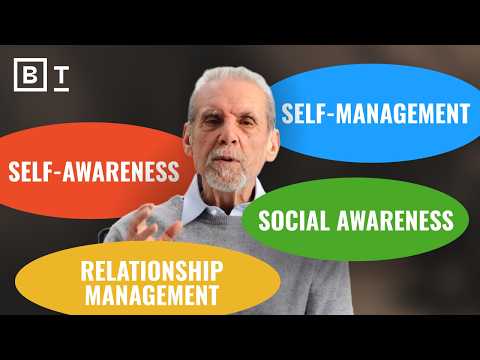
So, let’s talk about emotional intelligence. You know, that thing that somehow feels like the secret sauce to life? It’s not just about being smart. It’s about connecting with people and understanding yourself—like, really getting what makes you tick.
Imagine you’re at a party. There are some folks who just light up the room. They get jokes, read vibes, and seem to know how to talk to anyone. That’s emotional intelligence in action!
But here’s the kicker: it’s not just a talent you’re born with. It can be nurtured and grown. And honestly? The more we work on it, the better our relationships get—like friendships, work connections, all of it.
So grab a comfy seat! Let’s dive into how you can expand that emotional insight and watch your social skills blossom like flowers in spring. Sound good?
Boost Your Emotional Intelligence: 10 Effective Strategies for Personal and Professional Growth
Emotional intelligence, or EQ as people often call it, is all about recognizing and understanding our own emotions and those of others. It’s a vital skill in both personal and professional settings. It’s like the social glue that helps us connect with others, navigate tricky conversations, and manage stress better. Here are some strategies to help boost your emotional intelligence.
- Practice Self-Awareness: Understanding your own emotions is essential. Take a moment to check in with yourself throughout the day. How are you feeling? Why? This can make a huge difference in managing reactions instead of just flying off the handle.
- Reflect on Your Emotions: Keeping a journal where you jot down feelings and what triggered them can provide insight into patterns. You might be surprised at what you discover! Like, maybe every time your coworker makes that joke, you end up feeling upset. Understanding this is key.
- Manage Stress Effectively: Stress can cloud your judgment and emotional responses. Develop coping strategies like deep breathing or even quick walks outside when things get tense. For example, after a long meeting that drained you, stepping out for fresh air can completely reset your mood.
- Empathy Is Key: Try to put yourself in someone else’s shoes as much as possible. When someone is upset or stressed, instead of immediately jumping into problem-solving mode, ask them how they feel about it first. This not only shows you care but helps build stronger relationships.
- Enhance Your Communication Skills: Non-verbal cues often speak louder than words! Pay attention to body language, eye contact, and tone when communicating with others. If you notice someone seems off during a conversation, don’t hesitate to ask if everything’s okay.
- Practice Active Listening: When someone’s talking, really focus on what they’re saying instead of planning your response while they’re still speaking. Nodding along or using affirmations like “I see” or “that makes sense” can go a long way.
- Create Healthy Boundaries: It’s totally okay to say no sometimes! Setting boundaries defines how much emotional energy you’re willing to give others while protecting yourself from feeling overwhelmed.
- Seek Feedback from Others: Sometimes we’re not aware of how our emotions affect others. Ask trusted friends or colleagues for honest feedback about how they perceive your emotional responses and interactions.
- Cultivate Emotional Resilience: Life throws curveballs at everyone! Learning how to bounce back from setbacks quickly can really strengthen your EQ. You might think about past challenges you’ve faced and recognize the lessons learned from those experiences.
- Stay Curious About Others: Show genuine interest in people around you by asking questions about their lives and experiences. The more engaged you are with others’ stories, the more easily you’ll connect emotionally.
Boosting your emotional intelligence doesn’t happen overnight; it’s kind of like developing muscles at the gym—you gotta keep training! Each small step contributes to overall growth in personal relationships and professional environments alike. So next time you’re feeling overwhelmed or disconnected from those around you, remember these strategies—they might just make all the difference!
Understanding Emotional Intelligence Tests: A Comprehensive Guide for Legal Professionals
So, emotional intelligence tests. Yeah, they’re kind of a big deal, especially for folks in the legal field. You might be wondering: what’s all the fuss about? Basically, these tests help you get a grip on your emotions and how you connect with others.
Emotional Intelligence (EI) is like your ability to recognize, understand, and manage your own emotions while also picking up on others’ feelings. It’s super helpful in law because you’re constantly dealing with clients who might be stressed or upset. If you can read the room better, you can represent them more effectively.
Now, these tests usually break down EI into a few key areas:
- Self-Awareness: This is your ability to see your own emotions clearly. Think of it as knowing when you’re feeling overwhelmed or frustrated during a tough case.
- Self-Regulation: Once you know how you’re feeling, this part’s about controlling those emotions. Like not snapping at someone just because you’re stressed out over deadlines.
- Motivation: This involves using your emotional understanding to push yourself toward your goals—like keeping calm during intense negotiations.
- Empathy: This is where it gets really interesting! It’s about understanding others’ feelings and perspectives. In law, this could help you connect with clients or even juries.
- Social Skills: These are essential for building relationships and managing conflict—something you’ll face regularly in legal battles or client meetings.
Now let’s chat about some common tests out there that measure EI:
Mayer-Salovey-Caruso Emotional Intelligence Test (MSCEIT): This one’s all about measuring how well you process emotional information through various tasks.
The Emotional Quotient Inventory (EQ-i): This test digs deeper into how people perceive their own emotional skills through self-reported measures.
But hey, don’t think these tests are perfect! Some folks argue that they can be biased or not fully represent someone’s true capabilities.
You might ask: why should anyone care about this in the legal profession? Well, imagine representing a client who’s feeling hopeless after losing a trial—if you can empathize and keep communication open, they might trust your advice better. Being emotionally intelligent can enhance client relationships significantly!
In practice, nurturing EI doesn’t just help lawyers personally; it contributes to teamwork too. When everyone in a firm understands each other better emotionally, they’re more likely to collaborate effectively.
So if you’re seriously considering diving into this world of emotional intelligence testing for professional growth or improving social skills—go for it! Just remember: these tests are tools. They’re meant to help you learn more about yourself and improve how you interact with others in what can be pretty high-pressure situations.
In summary, emotional intelligence tests can offer valuable insights for legal professionals by fostering better communication and understanding within themselves and their clients. It’s all about growing those skills over time!
Enhancing Social Skills through Emotional Intelligence: Strategies for Personal and Professional Growth
Enhancing Social Skills through Emotional Intelligence can be a game changer in both your personal and professional life. So, let’s break it down a bit! You know how sometimes you walk into a room and just feel the vibe? Or you notice when someone seems off, even if they’re smiling? That’s emotional intelligence (EQ) at work. It’s basically your ability to recognize, understand, and manage your own emotions while also picking up on the emotions of others.
- Self-Awareness:
Feeling your feelings is the first step. When you’re aware of what’s going on inside you, it helps you communicate better with others. Imagine being in a meeting where you’re super annoyed but trying to act all chill. If you can recognize that feeling, you can choose how to respond instead of just reacting out of frustration.
- Empathy:
This one’s huge! Empathy means understanding someone else’s feelings or perspective. Like, if a friend is upset about something and you can say, “I get why that would bother you,” it creates connection. People appreciate when they feel seen and heard.
- Social Skills:
You might think social skills just come naturally for some people, right? Well, they can be developed! You practice active listening—truly paying attention when someone talks instead of thinking about what you’re gonna say next. This shows respect and makes conversations deeper.
- Self-Regulation:
Look, we all have moments where our emotions take over. You might snap at someone or shut down when under stress. But by practicing self-regulation—like taking deep breaths or stepping away for a moment—you can keep those reactions in check. Think about times you’ve regretted something you’ve said; it usually comes from not being able to handle your feelings in the moment.
- Mental Flexibility:
Life throws curveballs all the time! The ability to adapt your thoughts and behavior based on what’s happening is key for emotional intelligence too! If something doesn’t go as planned at work, instead of getting frustrated, try looking for solutions with an open mind instead.
Now think about this: emotional intelligence isn’t just for *your* benefit—it enhances whole teams too! In workplaces where people understand each other better, collaboration skyrockets. You’ve probably seen it play out; projects go smoother when everyone vibes well together.
Okay, so here are some strategies to boost that emotional intelligence:
- Date Yourself: Spend some quiet time alone reflecting on your emotions—what triggers them? How do they affect how you react?
- Dive Into Others’ Shoes: Try imagining situations from others’ perspectives regularly—you’ll be amazed at how differently things start looking.
- Acknowledge Feelings: Practice naming your emotions as well as those of people around you during conversations.
- The Art of Listening: Instead of waiting for your turn to talk next, focus fully on what the other person is saying.
- Feedback Friend: Ask trusted friends or colleagues how they perceive you emotionally—this helps improve self-awareness!
- Meditation Madness: Ever tried mindfulness meditation? It helps build awareness around your own thoughts and feelings.
Emotional intelligence isn’t static; like any skill set—it grows with use! Think about one relationship right now—whether it’s personal or professional—and ask yourself how tuning into emotions could change things up for the better.
Ultimately enhancing social skills through emotional intelligence isn’t just beneficial; it’s empowering! You get to connect more authentically with others while navigating life’s ups and downs like a pro.
Emotional intelligence, or EQ as some people like to call it, is kind of a big deal when it comes to how we connect with others and navigate through life. I mean, think about it: have you ever been in a situation where someone just got you? They totally understood what you were feeling without you even having to say a word. That’s the magic of emotional intelligence!
So, nurturing that EQ can really change the game. It’s not all about being book-smart or having the highest grades in school. Sure, that’s important too, but knowing how to handle your own feelings and understanding those of others? That’s like having a superpower. It helps you build deeper friendships, resolve conflicts more smoothly, and maybe even land that dream job because you can connect with people on a more human level.
Let’s say you’re at a party, right? You see someone standing alone by the snacks looking all awkward and shy. If you’ve got good emotional intelligence, you’d probably notice their discomfort and maybe strike up a conversation. You’re making them feel seen and included. And yeah, it often feels nice when someone does that for us too!
But here’s the kicker—EQ isn’t something you’re just born with; it’s something you can grow! Just like any skill, practice makes perfect. Being aware of your feelings is step one. Ever had one of those days where you’re just cranky for no reason? Instead of snapping at everybody around you (which we’ve all done at some point), taking a moment to recognize that frustration can lead to better reactions.
And when it comes to social growth? Well, putting yourself out there is key. You’ve got to try new things and meet new people—even if it’s uncomfortable at first! Joining clubs or volunteering can really help expand your social circles while teaching empathy along the way.
I remember a time when I volunteered at a local shelter. At first, I was nervous. I didn’t know anyone and wasn’t sure how I’d fit in. But once I started talking with those I was helping out—and listening to their stories—it opened my eyes in such an incredible way! Suddenly my own worries seemed smaller compared to what they were facing.
The heart of nurturing emotional intelligence lies in self-reflection and genuine curiosity about others’ experiences. The more you practice understanding your feelings and those around you, the richer your relationships will be—not just personally but professionally too.
In short, focusing on this emotional growth can lead us into deeper connections and ultimately make life feel so much more fulfilling! It’s not always easy—life throws curveballs our way—but every effort counts toward becoming more emotionally intelligent human beings!