Alright, so let’s talk personality. You know how you click with some people and just don’t get others? That’s all about personality.
It’s like this invisible force shaping how you think, feel, and act. So when psychologists evaluate personality, they’re diving into some pretty fascinating stuff.
Think of it as decoding the quirks that make you… well, you! It’s not just about fitting into a box; it’s about understanding what drives your choices and relationships.
Whether in therapy or research, exploring personality helps reveal patterns. And honestly? Those patterns can tell us a lot about ourselves and others.
So grab a snack because we’re about to unravel some exciting insights!
Understanding Measurement Techniques for Personality in Psychological Research
When it comes to measuring personality in psychological research, it’s a bit like trying to catch a fish with your bare hands—tricky but totally doable! So let’s break down some of the main ways researchers go about this.
First off, one of the most popular methods is using self-report questionnaires. These are basically surveys where people answer questions about themselves. Think: “How much do you agree with statements like ‘I often feel anxious’?” These questionnaires can give a good insight into a person’s traits or tendencies. One well-known example is the **Big Five Personality Test**, which looks at five major dimensions: openness, conscientiousness, extroversion, agreeableness, and neuroticism.
But here’s where things get a bit tricky. People aren’t always honest or even aware of their own traits. That’s why researchers also use observer reports. This involves asking friends, family members, or colleagues to describe someone else’s personality. Imagine you’re asked to rate how outgoing your buddy is—you might notice things they don’t even think about!
Another cool technique is behavioral assessments. This means observing how someone acts in different situations. For example, in a study on stress responses, researchers might record how participants behave during public speaking tasks. It gives a way to see personality traits in action rather than just reading answers on a form.
Then there are projective tests, which sound fancy but are really just creative ways to dig deeper into someone’s mind. The **Rorschach inkblot test** is one example—where people interpret inkblots—and it can reveal underlying thoughts and feelings that they might not be fully aware of. It taps into that less visible side of personality.
Now let’s chat about reliability and validity because they’re key concepts in measuring personality accurately. Reliability means that if you took the same test again later, you should get pretty much the same score—not like when you try on those jeans from three years ago and they fit totally differently! Validity, on the other hand, checks if the test actually measures what it claims to measure. You want your results to be meaningful!
Lastly, let’s not forget that cultural factors can play a major role in how we understand personality measurements too! What seems extroverted in one culture might come off as something else entirely in another culture. That adds another layer of complexity for researchers.
So when looking at all these techniques together—the self-reports, observer reports, behavioral assessments, projective tests—you realize that understanding personality isn’t just about getting one single answer; it’s about piecing together various bits of information for a fuller picture.
In short: measuring personality is like solving a puzzle with many pieces! Each method has its strengths and weaknesses but combined? They can help paint a colorful picture of who we are as individuals.
Understanding the 5 P’s of Personality: Key Concepts Explained
The 5 P’s of personality are a neat way to break down what makes you, well, you! These concepts help us understand the complex nature of personality. Let’s get into it!
1. Person: This is you as an individual. Think about your traits, behaviors, and thoughts that define who you are. Like, maybe you’re super outgoing at parties but totally shy when meeting new people one-on-one. Your personal history and life experiences shape this part of your personality, influencing how you react to situations.
2. Processing: This refers to how you interpret and respond to the world around you. Ever noticed how some people just seem to roll with the punches while others overthink every little thing? That’s processing in action! It includes your cognition, emotions, and even your instincts. For example, if someone criticizes your work, do you take it as constructive feedback or a personal attack? That says a lot about how you process things.
3. Presentation: This is all about how you show yourself to the outside world. It involves your social behaviors and public persona—like those carefully curated Instagram posts! You might act confident even when you’re nervous inside; that’s okay! Our presentations can be influenced by societal norms or personal preferences.
4. Performance: Here’s where it gets interesting! Performance means how successful you are in various roles—at work, at home, or with friends. It’s not just about doing well but also feeling fulfilled in those roles. If you’re crushing it at work but feel like a hot mess at home, that’s part of your performance picture.
5. Potential: Finally, there’s potential—the future possibilities that lie within you! This is all about growth and change over time; no one is stuck being the same forever. Maybe you’ve always been shy in social settings but decide to step out of your comfort zone by joining a club! Exploring your potential is vital for self-improvement.
So basically, these 5 P’s give us a framework for understanding personality from different angles. They help clarify why people behave the way they do and how they can develop further throughout life.
In psychological practice or research contexts, knowing these can make assessments more holistic and meaningful—because personality isn’t just a static checklist; it’s dynamic and layered. So yeah, now that you’ve got the lowdown on the 5 P’s of personality, think about how they apply to yourself or someone close to you!
Understanding the Big Five Personality Test: Key Insights into Psychological Evaluation
The Big Five Personality Test, often called the Five Factor Model, is a widely used tool in psychology. Basically, it helps us understand ourselves and others by breaking down personality into five key traits. So, what are these traits?
Openness to Experience – This trait reflects how open-minded and curious you are. People high in this area tend to be imaginative and willing to try new things. For example, if you get excited about traveling to unknown places or love trying out different cuisines, you might score high here.
Conscientiousness – This one’s all about being organized and responsible. A person with high conscientiousness is likely to plan ahead and follow through on commitments. Think of someone who always meets deadlines at work or keeps their living space tidy—yeah, that’s them!
Extraversion – You might already guess this one! It’s about how outgoing and social someone is. Extroverts typically feel energized by interacting with others while introverts may prefer solitude or small groups. Imagine the life of the party compared to someone who enjoys a quiet night in with a book.
Agreeableness – This trait involves how friendly and compassionate you are towards others. Those scoring high on agreeableness tend to be empathetic and cooperative, making them great team players! For instance, consider a friend who always seems ready to lend a hand whenever there’s trouble.
Neuroticism – This one can be a bit trickier. It refers to emotional stability; those with high neuroticism may experience anxiety or mood swings more frequently than others. If you’ve ever felt overwhelmed by stress—well, that’s what we’re talking about!
Now, why does this all matter? Understanding your scores on these five dimensions can give you insights into various aspects of your life—from relationships to career choices. Like if you’re naturally extraverted and open-minded, you might thrive in creative fields where collaboration is key.
Research has shown that the Big Five can predict certain behaviors too! For example:
- This test can inform hiring decisions: Employers look for conscientious individuals for job roles that require dependability.
- You can assess compatibility: Friends or partners with complementary personalities may have better relationships.
- It aids in self-improvement: Knowing where you stand can help focus personal growth efforts.
So yeah, whether you’re trying to figure out why you clash with a coworker or just want a clearer picture of your own personality style, the Big Five offers valuable insights into our minds and behaviors!
When you think about personality evaluation in psychology, it’s like peeking into a really complex puzzle. You know? There’s so much going on with human behavior and how we relate to each other. Everyone has their quirks, and figuring out the why behind those quirks can be super interesting—and sometimes a bit messy.
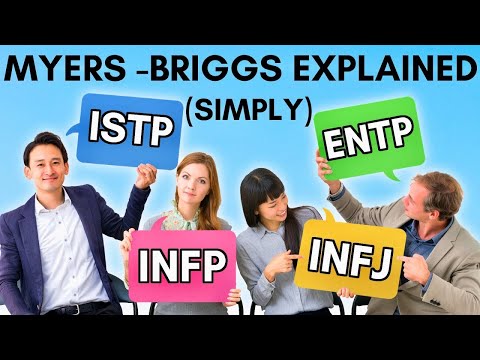
So, let’s say you’re sitting down with someone who’s in the field. They might whip out a personality test, like the Myers-Briggs or the Big Five. These tools can help break down traits into understandable chunks. It’s not just about putting people into boxes; it’s more like shining a light on different parts of who we are. Like when I took one of those tests myself, I remember thinking, “Wow, this describes me perfectly!” But then again, how can some questions really capture who I am as a whole person?
That’s where things get tricky. Personality isn’t static; it evolves over time due to experiences and changes in our lives. A test taken during a rough patch might show someone as anxious or withdrawn, but hey, that doesn’t mean they’re always that way! Life is full of ups and downs—like that one week where everything went wrong for me! I was stressed and probably came off more pessimistic than usual.
And let’s not forget the cultural context here—what feels normal in one culture might seem totally off in another. So while these evaluations provide valuable insights, they’re just pieces of a bigger picture. It takes an open mind to appreciate that every single score or label is just part of someone’s story—not the whole book.
In research settings, these personality assessments help unravel patterns related to mental health issues or happiness levels across different groups. It connects dots between traits and behaviors we often take for granted. But researchers must tread carefully because overgeneralizing can lead us astray—you know? We can’t reduce individuals to mere statistics; we gotta see the unique thread of their lives too.
Ultimately, personality evaluations are tools for understanding ourselves better—not defining us completely. We’re all multi-faceted beings navigating this complex world together, and embracing that complexity is what makes life rich!