Ever wonder why you act the way you do? Like, seriously?
Personality assessments are kind of a big deal in psychology. They help us peek inside our heads. But here’s the kicker: they aren’t just about labeling people.
Imagine getting a better grip on who you really are. Sounds cool, right? These assessments can shed light on your quirks, traits, and even those things about yourself you might not see.
But they aren’t perfect. There’s a lot of debate around their accuracy and how we use them. So, let’s dig deeper into this fascinating world together!
Exploring the Role of Personality Assessments in Psychological Research: A Comprehensive PDF Guide
Personality assessments play a big role in psychological research. You might think of them as tools to help us understand who we are and why we behave the way we do. But there’s way more to it than just filling out a questionnaire.
First off, these assessments measure different traits. They give researchers insight into things like **extraversion**, **agreeableness**, or **neuroticism**. And they do this by asking you questions about how you feel, think, and act in various situations. Think of it like a mirror that reflects your inner self, showing patterns that might not be obvious just by looking at surface behaviors.
One of the most popular frameworks for personality is the **Big Five Model**. This model breaks down personality into five core traits:
- Openness – how much you enjoy new experiences.
- Conscientiousness – your level of organization and dependability.
- Extraversion – your comfort level with social interactions.
- Agreeableness – how well you get along with others.
- Neuroticism – your emotional stability.
So, why do researchers bother with these assessments? Well, they help establish connections between personality traits and various outcomes like job performance or life satisfaction. A study might find that people high in **conscientiousness** do better at work because they’re organized and disciplined. On the flip side, someone high in **neuroticism** might struggle with anxiety or mood swings, affecting their personal relationships.
Anecdotes make things more relatable! Imagine two friends applying for the same job. One is super organized—let’s call her Lisa—and the other tends to procrastinate—meet Jake. Lisa scores high on conscientiousness during an assessment while Jake scores low. The hiring manager sees Lisa as a strong candidate because she’s likely to meet deadlines and follow through on tasks.
But it’s not all sunshine and rainbows! Personality assessments aren’t perfect. Sometimes people don’t answer honestly or misunderstand questions, which can skew results. Also, some argue that human behavior is too complex to fit neatly into boxes defined by these assessments.
Another thing worth mentioning is cultural differences in personality expression. What’s considered friendly in one culture might come off as too forward in another! So when researchers use these tools across different populations, they need to be mindful of these nuances.
In summary, personality assessments are crucial for understanding human behavior within psychological research but ask us to consider their limitations too! They’re not magic answers but rather useful guides for exploring complex personalities and behaviors.
Unlocking Insights: The Legality and Efficacy of Research-Based Personality Tests in Employment
There’s been a lot of chatter about personality tests in hiring. Everyone’s curious about their legality and whether they actually work. Let’s break it down, shall we?
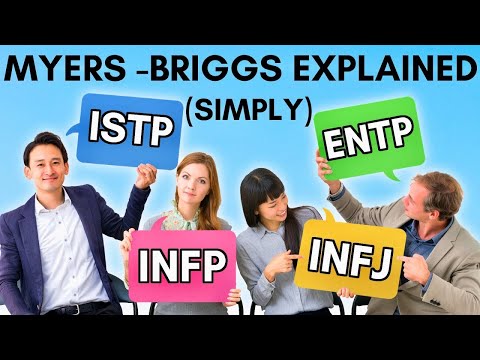
First off, what are personality tests? They’re tools designed to measure aspects of your character or traits. Some common ones you might have heard of are the Myers-Briggs Type Indicator (MBTI) and the Big Five Personality Test. Companies use these to predict how someone might fit into their culture or tackle certain tasks. But do they really work?
Well, the efficacy of these tests can vary. Research shows that certain assessments correlate with job performance, especially in roles that require teamwork or leadership skills. For example, if a job demands high emotional intelligence, a test measuring that trait can offer valuable insights into a candidate’s potential success.
On to the legality part: using personality tests in hiring isn’t without rules. In many places, there are strict guidelines to prevent discrimination. The Equal Employment Opportunity Commission (EEOC) wants to ensure that these tests don’t unfairly disadvantage any group based on race, gender, or other protected characteristics. So companies need to be careful here.
A key point is validity. This means the test accurately measures what it claims to measure. If a company uses a personality assessment that hasn’t been validated for its specific industry or job type, it could face legal issues down the road. Imagine taking an exam designed for artists when you’re applying for an engineering role—it just doesn’t add up!
Another thing to keep in mind is transparency. Candidates should know they’re taking these assessments and what they entail. Being upfront helps build trust and shows respect for their time.
Now let me share something personal: I once applied for a job where they used a personality test as part of their process. I was super nervous but ended up finding it interesting! It felt like getting insight into myself while evaluating how I’d fit into their team dynamic—pretty cool, right?
In summary:
- Personality tests can be useful, especially for jobs requiring specific traits.
- Efficacy varies, so it’s important to choose wisely based on the role.
- Legality is crucial; companies must follow EEOC guidelines.
- Transparency matters; candidates should be informed about what they’re taking.
- Validity is key; using validated tests tailored for specific roles is essential.
So yeah, while personality assessments in hiring aren’t going away anytime soon, understanding both their potential and limitations can help everyone involved make better decisions!
Understanding the Legal Implications of Personality Tests in the Workplace
Understanding the legal side of personality tests in the workplace can be a bit tricky. You might think they’re just a fun way to learn about yourself, but there’s a lot more going on behind the scenes.
First off, **personality assessments** are often used by employers to help with hiring decisions. They can give insight into how someone might fit into a team or handle stress. But here’s the catch: using these tests comes with legal responsibilities.
One big issue is **discrimination**. If a test inadvertently favors one group over another, it could lead to claims of unfair treatment. For example, if a personality test tends to favor extroverted traits for sales positions and disadvantages introverted candidates, this could create problems down the line. It’s essential that companies ensure their assessments are valid and reliable across different demographic groups.
Another aspect is **confidentiality**. When you take one of these tests, your results should be kept private. Employers must manage this information carefully to avoid any unauthorized disclosures that could harm employees’ reputations or careers. Basically, nobody wants their personality quirks being gossiped about at the office, right?
Then there’s the idea of **informed consent**. Participants need to know what they’re signing up for when they take these tests—how their results will be used and what implications it might have for them in terms of employment decisions.
And let’s not forget about **litigation risks**. If someone feels they were unfairly judged based on their test results, they might seek legal action against the employer. This means that businesses should really consider seeking legal advice when implementing these assessments.
So, here are some things employers should keep in mind:
- Valid Measures: Tests should be backed by research showing they actually relate to job performance.
- Fairness: Assessments need to be designed to avoid bias against any group.
- Privacy Protections: Always keep individual test results confidential.
- Clear Guidelines: Employees should know how and why tests are being used.
- Legal Consultation: It’s smart for companies to get legal advice on these matters.
Here’s an example: A company decides to use a well-known personality assessment tool but doesn’t check if it fits their specific workforce demographics. Later on, they find themselves facing discrimination lawsuits because certain groups felt left out or misrepresented by the results.
So yeah, while personality tests can provide useful insights into potential hiring matches or team dynamics, understanding their legal implications is key before jumping in with both feet! Being aware of these factors can help companies avoid some serious headaches down the road while still making informed hiring decisions.
Personality assessments in psychology, huh? It’s such an interesting topic. I mean, who hasn’t taken a personality test online at some point? You know, like those ones that tell you if you’re an introvert or extrovert based on how many pets you have or your favorite pizza topping? Those tests can be fun, but when we talk about personality assessments in psychological research, it’s a whole different ball game.
These more serious assessments dig deep into the quirks of our behavior and traits. They help researchers understand the why behind what we do. I remember back in college, I took a more formal personality test for one of my classes. The results were kind of eye-opening! I found out I’m more agreeable than I thought, but also a bit neurotic at times—maybe that explains my tendency to overthink things before big presentations. But seriously, when you dive into these more structured assessments like the Big Five or Myers-Briggs Type Indicator, you’re looking at years of research and theory.
What’s fascinating is how reliable these tools can be—when done right. They’ve got this way of categorizing human behavior into manageable chunks. But there’s also criticism around them because people are complex and change over time. You might score as an introverted feeler today but become more extroverted as you gain life experiences.
I think it all comes down to context. Maybe you had a rough day at work; that might make your responses lean toward the anxious side on any given day. So are you really neurotic? Or just having a moment? It’s kind of like picking up a book and reading only one chapter without knowing the whole story—you miss so much!
So while personality assessments can offer insights that are useful—like helping someone find their career path or understand their relationships—they’re not the end-all-be-all. Life is messy and beautifully complicated!