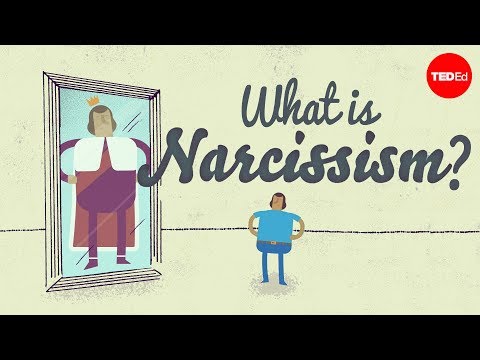
So, let’s chat about narcissism. You’ve probably heard the term thrown around a lot, right? It’s one of those buzzwords that gets people talking.
But what if we focus on it from a different angle—women and their narcissistic traits. Seriously, it’s an interesting topic! And it’s not all bad, either.
There are some fascinating psychological patterns at play. You might know someone who fits the bill or maybe you’ve dealt with stuff like this yourself.
It can be confusing, honestly. One minute you’re charmed by their confidence, and the next, you feel totally drained. Ever been there?
Let’s dive into understanding this together! You might find yourself nodding along as we unpack these traits and their effects on relationships and emotions.
Understanding the 9 Criteria for Narcissistic Personality Disorder: Key Insights and Definitions
Narcissistic Personality Disorder (NPD) is one of those terms that gets thrown around a lot, especially in conversations about relationships. But understanding it can be a bit tricky. So, let’s break down the key criteria for diagnosing this disorder and how they relate to the traits you might find in narcissistic women.
1. Grandiosity
This is like the core feature of narcissism. People with NPD often have an inflated sense of self-importance. They might think they’re better than everyone else, expecting constant praise and admiration. Imagine a friend who constantly brings the conversation back to their achievements without ever asking about yours.
2. Preoccupation with Success
Another hallmark is a fixation on fantasies of unlimited success, power, brilliance, or beauty. They might talk endlessly about their goals and dreams but often seem disconnected from reality—like dreaming big but not doing the work to get there.
3. Believing They Are Special
Narcissistic individuals often believe they are unique and can only be understood by other special people or institutions. This could manifest as an expectation to be treated differently at work or in social situations—almost like they’re royalty among peasants.
4. Need for Excessive Admiration
It’s not just that they enjoy compliments; they *need* them to feel good about themselves. You may notice this when someone gets upset if their achievements don’t get enough attention—like your coworker who throws a tantrum over a lack of recognition for a project.
5. Sense of Entitlement
Here’s where things can get really frustrating for others around them. This means having unreasonable expectations of favorable treatment or automatic compliance with their expectations. It’s like standing in line behind someone who thinks rules don’t apply to them.
6. Interpersonal Exploitiveness
Narcissists often take advantage of others to achieve their own ends, which can look like manipulation or using friends for personal gain without any thought for their feelings.
7. Lacking Empathy
This is a biggie! People with NPD typically struggle to recognize or care about the feelings and needs of others, which can lead to serious relationship issues—like failing to comfort a friend who’s going through something tough because they’re too wrapped up in their own world.
8. Envy
They’re not just self-centered; many also feel envious of others’ successes and believe others are envious of them too! Picture someone who can’t celebrate your win because they’re too busy feeling jealous; that’s classic narcissism.
9. Arrogant Behavior
Finally, you might notice some dismissive and haughty attitudes from narcissists towards those they perceive as inferior or less accomplished—a kind of snobby behavior that really puts people off.
So yeah, these nine criteria paint a pretty clear picture of narcissistic personality traits, especially when it comes to women exhibiting these behaviors in social settings or relationships. If you’ve encountered someone who fits this mold, you probably felt frustrated at times trying to connect with them on any sort of meaningful level! Understanding these traits can be eye-opening; it helps you recognize what’s going on rather than getting caught up in the emotional whirlwind that often comes with interacting with such individuals.
Exploring the Psychological Traits of Narcissistic Women: A Comprehensive Guide
It’s interesting to think about narcissism, especially when it comes to women. It’s a complex topic, and it doesn’t fit everyone neatly into a box. So, let’s break down some of the key psychological traits often associated with narcissistic women.
First off, **grandiosity** is often at the top of the list. These individuals may have an inflated sense of self-importance and believe they are superior to others. You might notice them boasting about their achievements or constantly seeking validation from others. It’s like they need a constant supply of admiration.
Another big trait is **lack of empathy**. This means they might struggle to recognize or care about other people’s feelings. Imagine being in a conversation where your struggles are brushed aside because the focus quickly shifts back to them—that can be pretty exhausting for anyone involved.
Then there’s this tendency toward **manipulation**. Narcissistic women may use charm, deceit, or even guilt trips to achieve what they want from people around them. It can feel like you’re caught in this emotional whirlwind where your needs seem less important than theirs.
Also critical is an intense need for **control** and dominance. In personal relationships or work settings, they might insist on having things their way, disregarding others’ opinions completely. This can create tension and frustration for those who have to deal with them regularly.
And don’t forget about their **fear of criticism**! Deep down, those who show narcissistic traits often feel insecure and sensitive to feedback, even if they act as though they’re above it all. For example, you might see them explode at minor critiques or dismiss feedback as jealousy.
A common misconception is that all narcissists are overtly flashy or brash—like that person at a party who steals the spotlight every time. However, there are more subtle forms too! Some might display what we call **vulnerable narcissism**, which feels more like self-pity than grandstanding but still centers around themselves.
Interestingly enough, many narcissistic women tend to be very skilled at presenting an idealized image to the world while hiding their insecurities behind a façade of confidence. So when you meet someone who seems perfect but leaves you feeling emotionally drained afterward? Yeah, that could be a sign!
To wrap things up here: while not every woman with certain traits is necessarily narcissistic (traits can exist on a spectrum), these characteristics paint a picture that can help in understanding difficult interactions or relationships you may come across.
- Grandiosity: Inflated sense of self-importance.
- Lack of empathy: Struggles with recognizing others’ feelings.
- Manipulation: Uses charm or deceit to get what they want.
- Fear of criticism: Highly sensitive; reacts negatively to feedback.
- Need for control: Insists on having things their way.
Recognizing these traits won’t solve everything but can help navigate those tricky relationships!
Understanding the Traits of a Narcissistic Woman in Relationships: Key Signs and Impacts
When it comes to understanding narcissism, it’s important to remember that it exists on a spectrum. Not everyone who has a few narcissistic traits is a full-blown narcissist. But if you find yourself in a relationship with someone displaying strong patterns of narcissism, especially a woman, it can be tricky to navigate. So let’s explore some key signs that might point to narcissistic traits and their impacts.
Excessive Need for Admiration
A common trait is the intense need for admiration. This isn’t just wanting compliments now and then. Like, it’s almost like they require constant validation from friends, family, or partners. You might notice she’s always looking for recognition, whether it’s through social media or in real life.
Entitlement
You could see this in how she reacts when things don’t go her way. She might act as though she deserves special treatment or has the right to impose her will on others. It’s like she genuinely believes the rules don’t apply to her.
Lack of Empathy
This one’s huge—she may struggle to understand or care about your feelings and needs. Imagine sharing something personal only to be met with indifference or even dismissal. It can feel pretty isolating.
Manipulative Behavior
Sometimes, their charm can mask manipulation tactics. They might twist situations or words to make you feel guilty or responsible for their emotions—like pulling at heartstrings when they want something.
Superficial Relationships
While she can be the life of the party, her friendships often lack depth and are more about appearances than genuine connection. You might notice that many of her relationships seem transactional—it’s like she collects friendships for status instead of emotional bonding.
Defensive Reactions
When faced with criticism, watch out! A narcissistic woman might react defensively, getting angry or dismissive rather than reflective. If you try bringing up an issue gently, it could end in hostility instead of growth.
The impacts of being in a relationship marked by these traits can truly affect your mental health and self-esteem. You may find yourself questioning your own feelings—a pretty confusing place to be!
Over time, constant validation-seeking behaviors can leave you feeling exhausted and drained. The lack of empathy? That could lead you feeling unsupported when you need it most—like going through tough times solo while you’re expected to play cheerleader for her non-stop drama.
Staying aware of these signs helps protect yourself from potentially damaging dynamics that aren’t just hard on the ego but also on your emotional well-being. Don’t ignore those red flags; they’re there for a reason! The more educated you are about such traits, the better equipped you’ll be to handle relationships healthily—either by setting boundaries or distancing yourself if needed.
So, let’s talk about narcissism for a sec. You might’ve come across the term in conversations, or maybe seen it on social media. It’s often thrown around to describe people who seem a bit too in love with themselves, you know? But when it comes to understanding narcissistic traits in women, things can get pretty complicated.
I remember this one friend of mine. She was smart, beautiful, and tried to act like she had it all together. But there was this underlying need for attention that could be kinda overwhelming. I used to think it was just her confidence shining through. Not sure if I really understood what narcissism meant until much later.
Narcissistic traits can manifest in different ways. For some women, it might be about constantly seeking validation from others or needing to be the center of attention in social settings. Like, have you ever been chatting with someone who quickly turns the conversation back to themselves? It’s almost like a reflex!
But there’s also the emotional side of things. Many narcissistic individuals struggle with vulnerability or showing real emotions. They might project this tough exterior but deep down could fear rejection or inadequacy—classic defense mechanisms! It’s a weird mix that makes them fascinating yet hard to relate with.
Another interesting point is that not all narcissists are created equal. Some may display grandiosity—like thinking they’re superior while belittling others—while others might lean more towards being charming and manipulative without even realizing it. It’s often a coping mechanism born out of insecurity.
In relationships, a narcissistic woman might struggle with genuine intimacy because they prioritize their needs above everything else. This can lead to emotional turbulence and make connections feel superficial at best.
So, what does all this mean for you? Well, understanding these traits can help you navigate your relationships better and recognize patterns that aren’t always healthy. It’s kind of like having a map when you’re navigating through rocky terrain—you don’t want to get lost in the chaos!
Remember that while we label certain behaviors as «narcissistic,» it doesn’t mean they’re terrible people at their core; they’re just dealing with their own stuff in ways that sometimes hurt others (and themselves). So yeah, understanding these dynamics is key—it helps us be more empathetic while also setting those necessary boundaries!