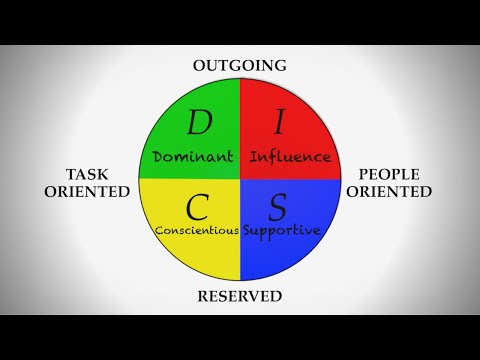
You know how every person is like a whole world? Seriously, we all have our quirks and vibes. Some of us are chatty and bubbly, while others might be more reserved.
It’s fascinating, right? Differences in personality shape how we see things and interact. Like, think about that friend who always knows what to say to cheer you up. Or the one who just quietly sits there but somehow makes everything feel okay.
In this little exploration, we’re diving into what makes us tick—those colorful personalities that add spice to life. Let’s take a peek at some psychological profiles and see what they reveal about us. Ready? Let’s go!
Exploring Diverse Personalities: Insights from Psychological Profiles and Testing
Exploring diverse personalities is like opening a treasure chest filled with all kinds of gems. Each personality brings its own unique traits, quirks, and ways of reacting to the world. Understanding these diverse personalities can help us navigate our relationships and improve our interactions with others.
When we talk about personality types, we’re really looking at a range of characteristics that make up who you are. Some researchers, like Carl Jung, have laid the groundwork for categorizing these differences. You might’ve heard about things like the Myers-Briggs Type Indicator or the Big Five Personality Traits. These tools provide a framework for understanding how we tick.
Now, let’s break it down a bit:
- Myers-Briggs Type Indicator (MBTI): This tool sorts people into 16 different personality types based on preferences in four areas: where you focus your attention (introversion vs. extraversion), how you take in information (sensing vs. intuition), how you make decisions (thinking vs. feeling), and how you deal with the outer world (judging vs. perceiving). For instance, an INTJ might be known for being strategic and independent.
- The Big Five: This model looks at five major dimensions: openness, conscientiousness, extraversion, agreeableness, and neuroticism. You know, it’s a bit like saying some people are more adventurous while others are more stable or thoughtful.
- StrengthsFinder: This one focuses on identifying what you’re naturally good at. It highlights your talents—like whether you’re great at building relationships or executing tasks efficiently.
Understanding all this stuff isn’t just academic; it can actually change how you communicate and connect with folks around you! For example, if you know someone leans toward being introverted, you’ll understand they might need some quiet time after social gatherings to recharge.
Let’s throw in an anecdote just to show this kind of understanding in action: Picture yourself hanging out with friends when one suddenly announces they need a break from all the chatter because they’re feeling overwhelmed—classic introvert move! It might seem surprising if you’re an extrovert who thrives on that social buzz. Recognizing these differences helps build better friendships.
So there’s also something called emotional intelligence. It comes into play when you’re dealing with various personalities because it helps you identify your own emotions as well as those of others. If you’re more emotionally intelligent, you’re better equipped to communicate effectively no matter who you’re dealing with.
You might wonder why this is even important? Well, think about teamwork or any group project you’ve been part of—it gets easier to mesh well if everyone brings their unique strengths to the table! Plus, addressing conflicts becomes way less daunting when you’ve got personality insights as your secret weapon.
In summary, exploring diverse personalities is not just fun but also crucial for enriching our interactions and fostering understanding among us mortals navigating life together. Knowing where someone stands on that personality spectrum can make all the difference in building meaningful connections! And maybe even help avoid unnecessary friction along the way!
Exploring Diverse Personalities: Insights into Psychological Profiles – Downloadable PDF Guide
Exploring different personalities is like opening a treasure chest. Each personality offers its own unique set of traits, behaviors, and quirks. When we dive into understanding these diverse psychological profiles, we gain insights that can help us communicate better with others and even improve our own self-awareness.
Personality Types can be grouped in various ways. For instance, you might hear about the Big Five model, which includes:
- Openness: This is all about imagination and curiosity. People high in this trait tend to be more adventurous.
- Conscientiousness: These folks are organized and dependable. They plan ahead and like to stick to their schedules.
- Extraversion: This trait describes how outgoing someone is. Extraverts thrive on social interactions.
- Agreeableness: High agreeableness means being compassionate and cooperative rather than suspicious or antagonistic.
- Neuroticism: This relates to emotional stability. Those who score high here may experience anxiety or mood swings more often.
When we’re engaging with different personalities, we often encounter a mix of these traits in ourselves and others.
Imagine your friend Sarah. She’s super organized (high conscientiousness), always planning the perfect outings for your group. But then there’s Jake, who is spontaneous (high openness), always suggesting last-minute adventures that leave you feeling both excited and a bit anxious.
Understanding these profiles can help you navigate social situations better. For example, if you know someone values agreeableness, you might find it’s easier to work together by creating a supportive environment.
Cultural Influences: Our backgrounds heavily shape our personalities too! Different cultures place value on various traits—some might celebrate extroversion while others appreciate introversion as a sign of thoughtfulness.
Let’s say you’re from a culture that emphasizes community (a high value on agreeableness). You might approach conflicts differently than someone from a culture that promotes individual achievement.
Then there are personality assessments like the MBTI (Myers-Briggs Type Indicator). It categorizes people into 16 types based on preferences in how they take in information and make decisions. Knowing your type could feel like having a map for navigating life’s choices!
Remember Mark? He found out he was an INFP—a type known for being idealistic and empathetic. This insight helped him realize that his desire to support others was part of who he was, not just something he should shrug off.
In essence, exploring diverse personalities is also about embracing differences. When you acknowledge distinct traits in yourself and those around you, it fosters empathy—a crucial factor for harmonious relationships!
So when you’re looking at psychological profiles or considering downloading guides about them, think of it as gathering tools for better understanding human interaction—not just names or numbers but real insights into lives lived differently yet beautifully!
Unlocking Diverse Personalities: Free Insights into Psychological Profiles
So, let’s chat about this whole idea of diverse personalities and psychological profiles. It’s pretty wild how our personal traits shape not just who we are, but also how we connect with others. You know, everyone has a unique combo of quirks and characteristics that make up their personality, and understanding this can be super helpful in our day-to-day lives.
Now, personalities can be a mixed bag. You’ve got introverts who recharge in solitude and extroverts who thrive on social interaction. But it doesn’t stop there! There are loads of other ways to think about personality too.
Personality frameworks can help us understand these differences better. You might have heard of the Big Five model, which breaks down personalities into five major dimensions:
- Openness: This trait involves how open-minded or curious someone is.
- Conscientiousness: This reflects one’s level of organization and dependability.
- Extraversion: Think energy from social situations versus solitude.
- Agreeableness: This covers how compassionate or cooperative someone is.
- Neuroticism: This pertains to emotional stability and the tendency toward anxiety.
You see? Each person sits somewhere on this spectrum. Some might score really high on agreeableness, meaning they’re warm and friendly. Others might be more neurotic—like my buddy Greg who worries so much he can’t enjoy a good movie without constantly checking for spoilers!
Now let’s not forget other popular models like the Myers-Briggs Type Indicator (MBTI). It sorts folks into 16 personality types based on four dichotomies:
- Introversion (I) vs Extraversion (E): Where do you get your energy?
- Sensing (S) vs Intuition (N): How do you take in information?
- Thinking (T) vs Feeling (F): Do you make decisions based on logic or emotions?
- Judging (J) vs Perceiving (P): Are you more structured or flexible?
So picture your friend Laura; she might test as an INFP—an introverted feeler who values creativity and authenticity. But then there’s Mike, probably an ESTJ—a total go-getter who loves planning things out!
Understanding these profiles isn’t just academic fun—it impacts real life! Like when you’re forming teams at work or trying to figure out who to hang out with when you’re feeling down. Different personalities bring different strengths to the table.
Take team dynamics: a mix of personality types can lead to more creative solutions since each person offers a distinct perspective. But if everyone thinks the same way—yikes! That could mean less innovation and more groupthink.
It also helps in relationships; knowing your partner’s style can smooth over those little bumps that always pop up. For instance, if your significant other is a thinker while you’re all about feelings, understanding those different approaches can foster better communication.
In short, diving into these psychological profiles reveals why people act the way they do! It helps bridge connections between folks from all walks of life—because we’re all wired differently yet wound together in this human experience.
So whether you’re trying to relate better at work or navigating friendships, recognizing these diverse traits makes it just a bit easier to appreciate each other’s beautiful complexities!
You know, every time I think about people’s personalities, I can’t help but get a little fascinated. It’s like we’re all walking around with our unique quirks and traits, mixing and mingling in this big ol’ world. I mean, you’ve got your extroverts who just light up a room the moment they walk in, and then there are those introverts who prefer the cozy corners, sipping tea and diving into their favorite book. Isn’t it amazing how different we all are?
Just last week, I was hanging out with a friend who’s super organized. Seriously, her planner looks like a work of art! Everything is color-coded, and she even has stickers for different tasks. Conversely, I’m more of a “wing it” kind of person—most days my to-do list includes remembering where I left my keys! Honestly? Those differences can sometimes clash but they also make for interesting conversations.
So here’s the thing: understanding diverse personalities helps us navigate our relationships better. For instance, an open-minded person might find ways to connect with someone who’s more rigid in their thinking by exploring common interests instead of focusing on what sets them apart. It’s all about recognizing that everyone has their psychological traits shaped by experiences and environments.
And let me tell you—a bit of empathy goes a long way! Like that one time when my laid-back friend was trying to plan a group trip with more detail-oriented pals; the stress seemed palpable as they tried to figure out what activities everyone would enjoy. It took some patience to reach a compromise—logistics mixed with spontaneity made it work out perfectly in the end.
Diversity in personality types isn’t just about preference—it reflects how we approach problems or handle stress. For example, some folks thrive on challenges while others might retreat into their shells when faced with pressure. This variety helps create balance—like yin and yang.
In essence, embracing our differences boosts our connections. Next time you’re interacting with someone whose personality seems miles apart from yours, remember: there’s beauty in diversity! Even if they drive you nuts sometimes (and let’s be real—it happens!). Just think about how much richer life feels when you have all these varied perspectives surrounding you. You get me?