Phobias are one of those quirky things about being human, right? Like, have you ever met someone who was totally freaked out by spiders? Or maybe they can’t even handle a dark room? It’s wild.
So, phobias are basically these intense fears that can make life pretty tricky. Some of them are common, like fear of heights or flying. But others? Oh man, they get super specific and just plain odd.
Imagine being scared of something as everyday as a certain color! Seriously, that’s a thing!
In this little adventure through phobia names in psychology, you’ll discover the wild world of fears people face. You might even find some that make you laugh or nod your head in understanding. Let’s jump in and explore!
Understanding the 20 Types of Phobias: A Comprehensive Guide
Phobias are pretty interesting, right? They’re not just fears; they can be all-consuming and sometimes downright irrational. Basically, a phobia is an intense fear of something that poses little or no real danger. Now, there are loads of different types of phobias out there. Let’s break down some key categories and a few examples to get a better understanding.
1. Specific Phobias
These are the most common type. You know, when someone has a specific fear of a certain object or situation? It could be anything from spiders (arachnophobia) to heights (acrophobia). These fears can seriously disrupt a person’s daily life.
2. Social Phobia
Also known as social anxiety disorder, this one goes beyond just shyness. Imagine feeling so anxious about social situations that you avoid them altogether! This kind of fear might include public speaking or meeting new people.
3. Agoraphobia
This is kinda tricky because it’s more about the fear of being in situations where escape might be hard or help unavailable. Often linked to panic attacks, people with agoraphobia may avoid crowded places or even leaving home.
4. Natural Environment Phobias
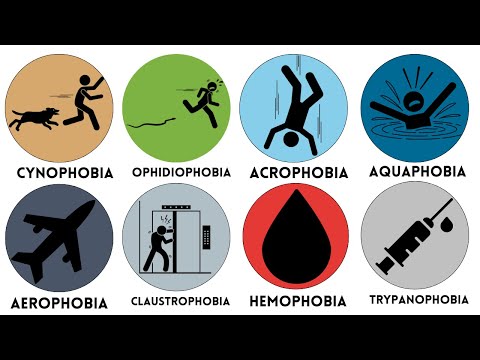
Some folks have fears related to natural elements, like thunderstorms (astraphobia) or water (aquaphobia). It’s wild how something as common as rain can trigger intense anxiety for someone.
5. Blood-Injection-Injury Phobias
This is where things get gnarly—people with this phobia feel extreme fear at the sight of blood, needles, or injuries. Sometimes it can even cause fainting! Seriously, it’s not just mind over matter for these individuals; it’s visceral!
6. Situational Phobias
These phobias involve specific situations—like flying (aviophobia) or being in enclosed spaces (claustrophobia). The thought alone can send shivers down someone’s spine!
7. Animal Phobias
Think about how many critters we share our world with! From dogs (cynophobia) to snakes (ophidiophobia), animal phobias can range widely based on personal experiences and cultural influences.
8. Other Common Phobias
There are so many more! Just think about:
- Mysophobia: The fear of germs.
- Emetophobia: The fear of vomiting.
- Xenophobia: The fear of strangers.
- Tachophobia: Fear of speed.
- Atychiphobia: Fear of failure.
- Pogonophobia:The fear of beards!
Each one has its own unique triggers and manifestations. For example, imagine someone suddenly freezing up at the thought of public speaking—not because they don’t know what to say but because their anxiety has taken the wheel.
So what you gotta remember is that while phobias may seem silly from the outside looking in—they’re very real for those experiencing them. Just talking about them openly helps break down stigma and encourages understanding toward those who deal with these intense emotions every day.
Next time you hear someone mention their quirky fears—try to engage with empathy rather than judgment! You never know what someone’s gone through that shaped their feelings towards something everyday folks find ordinary!
Exploring the Total Number of Phobias: A Comprehensive Overview
Phobias are like those pesky little fears that take over your brain, and they can really mess with how you live your life. You know? Some people freak out at the thought of spiders, while others might panic at the idea of flying. There’s actually a vast world of phobias out there. Seriously!
First off, there are more than a thousand recognized phobias. Yeah, that’s right! Each one has its own name, often derived from Greek or Latin roots, which makes them sound super fancy.
Types of Phobias
Phobias are generally categorized into three main types:
- Specific phobias: These are fears linked to particular objects or situations. You could be scared of heights (acrophobia), snakes (ophidiophobia), or even clowns (coulrophobia).
- Social phobia: Also known as social anxiety disorder, it involves a fear of social interactions or being judged by others. Imagine feeling sick just thinking about speaking in public!
- Agnoraphobia: This is the fear of situations where escape is difficult, or help isn’t available if things go wrong—like being in a crowd or open spaces.
Now, let’s dig a bit deeper into specific phobias. They can get pretty wild! Some might make sense to you, while others seem downright bizarre.
For instance:
- Arachnophobia: Fear of spiders. If you see one crawling and suddenly feel like you’re on fire inside? Yeah, that’s arachnophobia.
- Aerophobia: This is fear of flying. Picture someone gripping their seat on a plane while sweating buckets—totally relatable for many!
- Aquaphobia: Fear of water can keep people from enjoying beach days or even swimming pools.
What’s really interesting is how these fears can develop. Sometimes it stems from traumatic experiences—like maybe you fell into a pool when you were little and now the water sends shivers down your spine.
Additionally, our brains play tricks on us with something called Cognitive Distortions, where we magnify dangers and underestimate our ability to cope with them. It’s like looking through a funhouse mirror—you see things way outta proportion!
And let’s not forget about how common phobias really are! A lot of folks have them to some degree. You might meet someone who’s totally chill but panics over having to walk past an open window because they think they might fall out—yeah, that’s an example too.
In summary, phobias encompass a wide range of fears that can seriously impact daily life. They’re sometimes rooted in past experiences but can also develop without any clear reason behind them. It’s such an intricate web of emotions and behaviors!
So next time you hear someone mention their weird fear—just remember there are countless others out there dealing with their own unique challenges! Isn’t it fascinating how varied human experiences can be?
Comprehensive A to Z Guide of Phobias: Understanding Fear and Anxiety Disorders
Phobias are like uninvited guests at a party you never wanted to throw, right? They just crash in and mess everything up. Basically, a phobia is an intense fear of something that leads to avoiding it like the plague. This can be anything from spiders to public speaking. The thing is, while fear is a natural reaction, phobias take it to another level.
So what’s going on here? Phobias fall under the umbrella of anxiety disorders. When you have a phobia, your brain sort of reacts as if you’re in real danger, even when logically you know you’re not. Think of it as your body’s alarm system going haywire.
Types of Phobias
There are three main types of phobias:
- Specific Phobia: This is when you’re afraid of a particular object or situation—like heights (acrophobia) or dogs (cynophobia).
- Social Phobia: Also known as social anxiety disorder, this involves an intense fear of social situations where you might feel embarrassed or judged.
- Agoraphobia: This one’s about fearing situations where escape might be difficult or help unavailable; often it involves being outside your comfort zone.
You might find people who can’t even step outside because they’re terrified that they won’t find safety there. That’s serious stuff!
Symptoms
When someone faces their phobic trigger, it’s like flipping a switch. Common symptoms include:
- Panic attacks that hit outta nowhere
- A racing heart or shortness of breath
- Sweating or shaking uncontrollably
- Nausea or dizziness—like when you’re on those crazy rollercoasters!
For example, let’s say you have arachnophobia (fear of spiders). You see one crawl across the floor and suddenly your heart races; your palms get sweaty. It feels like the world around you gets loud and blurry while all you can think about is that little eight-legged creature.
Coping Mechanisms
Living with phobias can be tough but there are ways to cope:
- Exposure Therapy: This technique involves gradual exposure to the feared object in a controlled way. Over time, this helps lessen the fear.
- Cognitive Behavioral Therapy (CBT): CBT helps change negative thought patterns related to fears and can provide practical strategies for dealing with them.
- Meditation and Relaxation Techniques: These practices can help calm your mind when facing fears.
It’s vital for anyone dealing with these fears to know that they’re not alone—millions experience similar struggles!
The Bottom Line
Fear and anxiety are deeply rooted in our human experience and understanding phobias helps demystify some of those feelings we all face at one point or another. Everyone has something that makes them anxious; figuring out how to manage those feelings can lead to more enjoyable experiences in life.
So yeah, if you’ve got a phobia that’s making life difficult, there are ways forward! Understanding what it is and how it affects you—that’s the first step toward feeling more in control again.
So, phobias are these intense, often irrational fears that can really shake you up. You know how some folks can’t stand spiders? Well, that’s called arachnophobia. But there’s a whole bunch of them out there! Each one has its own name and, believe me, some of them sound wild.
I mean, take a look at agoraphobia—it’s not just fear of open spaces; it can make someone feel trapped in their own home! It reminds me of a friend who once told me about her struggle with it. She felt like the walls were closing in on her. Just going to the grocery store felt like stepping onto a battlefield. That kind of fear is real and really tough.
What gets me is how many phobias exist. I was reading about some of the more unusual ones—like triskaidekaphobia, or the fear of the number 13. Can you imagine ya know, being scared of just a number? And then there’s nomophobia—that’s the fear of being without your phone. Man, we’ve all been there! The anxiety hits when the battery gets low and you’re nowhere near a charger.
These names can sound pretty funny or strange, but they stem from something serious for those who feel them deeply. It’s like each phobia tells a story about human experiences and emotions. They remind us that everyone has their battles—even if they look different from ours.
Phobias highlight our quirks as humans too. They’re not just silly fears but signals from our brain telling us something feels off or threatening to us based on past experiences or even biology. It makes sense when you think about it—you know?, like how our brains work overtime trying to protect us from what scares us most.
So next time you hear someone mention their phobia, remember there’s often more behind that wall of dread than meets the eye! It’s all part of this wild ride we call life and it lets us connect on deeper levels too when we share our stories about what scares us most.