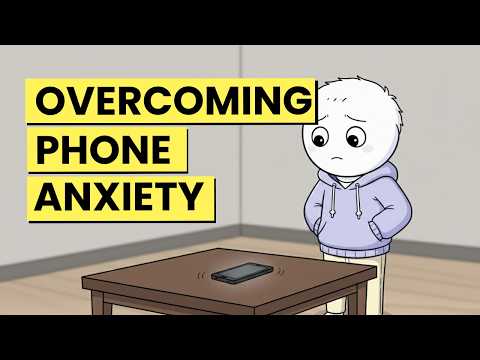
You know that feeling when your phone rings, and your stomach drops? Yeah, that’s phone call anxiety. It’s real, and you’re definitely not alone in this.
Seriously, I used to dread picking up the phone. Just the thought of talking to someone made me feel all jittery inside. It’s like there’s a mini panic party going on in my brain!
What is it about those ring tones that can make us freeze? Let’s take a look at why this happens and how we can handle it better. So, grab a comfy seat and let’s chat about confronting this anxiety together!
Understanding Phone Call Anxiety: Causes, Effects, and Coping Strategies
Phone call anxiety can feel like a heavy weight on your chest, right? You know the feeling when your phone rings—or even the thought of making a call—makes you want to hide under a blanket? Don’t worry, you’re not alone in this. Lots of people experience some level of anxiety when it comes to making or receiving calls.
So, what’s going on? Understanding phone call anxiety starts with recognizing its common causes. For many, it stems from social anxiety or a fear of judgment. Maybe you’re worried about stumbling over words or saying something embarrassing. Or perhaps you’re just not sure how to keep the conversation flowing. It’s easy to start imagining all the possible scenarios that could go wrong, and that can ramp up your nerves.
The effects of phone call anxiety can be pretty far-reaching too. It might lead you to avoid making important calls altogether, which can mess with your personal and professional life. You might miss out on job opportunities or social invitations simply because you didn’t feel up to hitting that dial button.
Now let’s talk about some coping strategies that could help ease those anxious feelings. Here are a few things you might find useful:
- Practice Makes Perfect: Just like anything else, practice can help! A good way is to rehearse what you’re going to say before the call. Try role-playing with a friend.
- Breathe Deeply: Before dialing in, take a few deep breaths to calm yourself down. Inhale slowly through your nose and exhale through your mouth.
- Write It Down: Jotting down important points or questions beforehand can give you a solid roadmap for the conversation.
- Set Small Goals: If making long calls feels overwhelming, start small! Begin with short chats until you build up your confidence.
- Accept Imperfection: Remind yourself that it’s totally okay if things don’t go perfectly during the call. Everyone makes mistakes!
I remember this one time I had to make an appointment for my car service—super simple, right? But my heart raced as I picked up the phone. I got all worked up over nothing! The person on the other end was really nice and all my fears vanished once we started chatting.
So just know that while phone call anxiety can be tough to deal with, understanding where it’s coming from and how it affects us is half the battle. With some practice and patience, you might find those calls feeling less intimidating over time!
Understanding Telophobia: Insights into the Fear of Being Buried Alive
Telophobia is a pretty intense fear, right? It’s also known as the fear of being buried alive. Imagine that tight feeling in your chest when you think about being trapped underground with no way out. Sounds nerve-wracking, doesn’t it? This fear can really mess with people’s heads and daily lives.
So, let’s break down why this happens. First off, it often roots itself in our primal instincts. You know, like our ancestors had to fight or flee from danger to survive? The idea of being trapped can trigger those ancient survival mechanisms. When you feel like you can’t breathe or escape, your body goes into overdrive—the heart races, palms sweat—it’s a full-on panic mode!
But telophobia isn’t just about being buried. It can also connect to broader anxieties—like feeling powerless or losing control in life. If you’ve ever felt overwhelmed by situations where you couldn’t speak up or make a choice, that plays into this fear too.
Here are some common things related to telophobia:
- Physical Symptoms: People might experience shortness of breath, rapid heartbeat, or even dizziness when thinking about being buried alive.
- Social Situations: Some folks avoid places like crowded subways or closed spaces because they’re afraid of feeling trapped.
- Panic Attacks: For many dealing with this phobia, even the thought of confined spaces can trigger panic attacks.
You know how sometimes hearing a scary story sticks with you? Like that one time someone told me about how they got stuck in an elevator for hours! Just thinking about it gave me chills! That’s how phobias work—they latch onto experiences and create exaggerated fears.
Coping Mechanisms are crucial for anyone grappling with telophobia. Here are some strategies:
- Gradual Exposure: Facing fears slowly can help desensitize feelings associated with them.
- Relaxation Techniques: Breathing exercises and mindfulness can calm those runaway thoughts.
- Talk Therapy: Sometimes just chatting about these fears can help process and lessen their hold on us.
It’s worth saying that telophobia often overlaps with other issues like anxiety disorders or even PTSD at times. So understanding what triggers your fears—or maybe someone else’s—can really help with managing reactions.
Remember that while everyone has fears (some more rational than others), there’s always room for growth and overcoming them. You don’t have to be paralyzed by that anxiety; addressing it head-on is totally human! And who knows? Maybe talking openly about these fears will help not just you but someone else too.
Understanding telophobia isn’t just about the fear itself; it’s also about navigating life while carrying those worries along for the ride. But confronting these feelings and challenges is all part of living fully—you got this!
Understanding Phone Anxiety: Distinguishing It from Social Anxiety
Phone anxiety is one of those things that a lot of people experience but might not even realize has a name. You know that feeling when your phone rings, and your heart starts racing? Yeah, that’s it. But here’s the kicker: it’s different from social anxiety even though they can feel pretty similar. Let’s break it down a little.
So, what is phone anxiety? It’s that knot in your stomach when you’re about to make or receive a call. You might worry about how you’re going to sound, what the other person will think, or even if you’re going to run out of things to say. It’s like being on stage without a script. This type of anxiety usually stems from the way we communicate over the phone—there’s no visual feedback, just voices.
Now, social anxiety, on the other hand, is more about worrying in social situations overall. You might feel panicky in crowded places or during face-to-face interactions. The fear of being judged or embarrassing yourself can be overwhelming, and it’s not just limited to talking on the phone.
Here are some key differences between the two:
- Context: Phone anxiety is specific to calls; social anxiety is broader and includes all kinds of social interactions.
- Triggers: With phone anxiety, it’s usually tied to the act of talking on the phone itself—like fear of awkward silences. Social anxiety may involve gatherings or any scenario where you’re interacting with others.
- No visual cues: Phone conversations lack those non-verbal signals like body language that help us understand how people are reacting.
- Avoidance behaviors: Someone with phone anxiety might avoid making calls but still manage okay in face-to-face situations; someone with social anxiety might dread both.
Sometimes people with phone anxiety find themselves feeling isolated because they’d rather text than call. For example, let’s say you have this friend who always sends voice notes instead of just calling this could be because when texting you can take your time to word things exactly right without that pressure.
Interestingly enough, overcoming these anxieties often involves similar techniques—like practicing relaxation strategies or desensitization through gradual exposure. But remember: tackling phone fear usually focuses more on communication skills while addressing social anxiety dives deeper into understanding interpersonal dynamics.
At its core, recognizing these distinctions can make dealing with either less intimidating., like when my buddy Clive had a meltdown before calling his boss but could chat fine at parties! Knowing it’s okay to feel anxious about phones specifically helped him approach calls differently and reduced some stress.
It’s all about understanding what makes you tick and finding strategies that work for you! So if you’re struggling with either kind of anxiety—know there are ways to work through it!
You know that feeling you get when your phone rings, and your stomach just drops? Or maybe when you have to make a call, and your palms start sweating like you just ran a marathon? For many, phone call anxiety is a real thing, and it’s way more common than you’d think.
I remember this one time I had to call someone about a job application. As soon as I dialed the number, my mind started racing. What if they ask me something I don’t know? What if I sound silly? The call went fine in the end, but leading up to it felt like I was about to face an army.
So, why does this happen? Well, part of it might come from our brains being wired for social interaction. When we’re face-to-face with someone, we can read their body language, catch their facial expressions, and adjust our responses on the fly. But on a phone call? All that goes out the window. It’s just your voice against theirs, which feels a bit like jumping into deep water without knowing how to swim.
Then there’s the whole fear of judgment thing. You might worry that what you say will be critiqued or misunderstood. This anxiety can also come from past experiences where things didn’t go as planned – maybe you said something awkward or forgot what you wanted to say altogether. Those kinds of moments hang around in your memory like an annoying song stuck in your head.
Interestingly enough, there’s also something called “cognitive distortion” at play here. That sweet little term refers to how we tend to exaggerate negative outcomes in our minds while downplaying positive ones. So maybe you’re thinking: “If I mess this up, they’ll never want to talk to me again.” But really? People are usually way more forgiving than we give them credit for.
What helps is recognizing these thoughts for what they are – just thoughts! You can challenge them by asking yourself how likely those worst-case scenarios truly are or by practicing calls with friends or family first. Getting comfortable talking on the phone doesn’t have to be an all-or-nothing deal; baby steps work too!
In a world where so much communication happens through screens now—texting and emails—it can feel daunting when you actually have to use your voice! And that fear is pretty understandable; many people struggle with it in various degrees.
So next time you’re staring at your phone before making a call and feeling that pit in your stomach rise up again—think about all the times you’ve survived those calls before. You’re not alone in this struggle; plenty of us are right there with you!