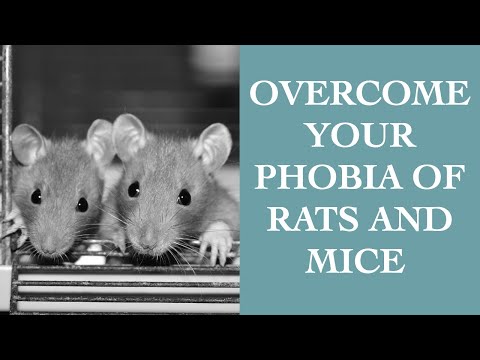
Rats. Just the word might send a chill down your spine, huh?
You’re not alone if you feel that way. A lot of folks have this deep-seated fear of these little critters. It’s called rat phobia, or “muriphobia” if you wanna get fancy about it.
But seriously, what’s behind this fear?
Is it the whole “dirty rodent” stereotype? Or maybe something more personal? Let’s talk about where this fear comes from and what we can do to ease it.
Get comfy, because we’re diving into the wild world of rat phobia together!
Effective Strategies to Conquer Your Fear of Rats: A Comprehensive Guide
It’s totally normal to feel a bit freaked out by rats, right? I mean, those little guys can be unsettling. But if that fear is something that’s really bothering you, there are ways to tackle it. Let’s dig into some effective strategies for conquering your fear of rats.
Understand Your Fear
First off, it helps to know where this fear is coming from. A lot of fears around rats can be tied to things like hygiene issues or just the surprise factor when one scurries by. If you think about it, most fears start somewhere in our minds; maybe you saw a scary movie or had a bad experience when you were younger.
Face the Fear Gradually
One way to get a grip on the rat panic is through exposure therapy. This doesn’t mean throwing yourself into a rat-infested room straight away! You can start small. Try looking at pictures of rats online. It seems silly, but it can help desensitize you over time.
- Begin with cartoon images or funny videos.
- Then move on to real photos.
- If you’re feeling brave enough, check out some documentaries—those furry critters can actually be fascinating!
Learn About Rats
Knowledge is power! The more you know about these creatures, the less scary they seem. For example, did you know that rats are actually super clean animals? They groom themselves almost constantly and live in complex social structures. They also have been known to form strong bonds with humans!
Practice Relaxation Techniques
When anxiety kicks in because of rats, your body goes into fight-or-flight mode—your heart races and your mind gets overwhelmed. Learning how to calm down your body can make a huge difference.
- Breathe Deeply: When you start feeling panicked, try taking slow breaths.
- Meditation: Even five minutes of meditation can help clear your mind.
- You could even try visualization: imagine yourself in a safe space where you’re calm and relaxed.
Tackle Negative Thoughts
Sometimes our minds play tricks on us and magnify our fears way out of proportion. Every time you catch yourself imagining worst-case scenarios with rats—like them invading your home—try challenging those thoughts. Ask yourself if they’re realistic.
For instance, let’s say “What if I find one in my kitchen?” Instead of freaking out, remind yourself that keeping things clean and sealed off usually prevents any surprises like that!
Seek Support
You’re not alone in this battle! Talk about your fear with friends or family who might understand what you’re going through—or even better—a support group for phobias could provide some serious comfort.
Just sharing those feelings can lighten the load tremendously! You’d be surprised how many people will relate and share their experiences.
(Bonus!) Professional Help
If your fear feels overwhelming despite all these strategies, talking to a mental health professional could really help straighten things out for you. They have techniques up their sleeves that might work wonders!
Fear of rats doesn’t define you; understanding it is where growth begins! You got this!
Understanding the Commonality of Fear of Rats: A Legal Perspective on Phobias and Public Perception
Fear of rats, or *musophobia* as it’s technically called, is a pretty common phobia for many people. Seriously, just mention rats, and you’ll see some folks squirm! This fear has deep psychological roots and can be influenced by various factors. Let’s take a closer look at why many of us freak out when we see these little critters.
One reason for this fear could be evolutionary. Rats have been associated with disease throughout history. The Black Death? Yeah, that was partly thanks to rats. So, it makes sense that our ancestors might have developed an instinctual aversion to them. It’s like a survival mechanism kicking in because let’s face it: getting too close could mean trouble!
Another factor is personal experiences. Imagine as a kid you saw a rat scurry across the street right in front of your face. That moment might stick with you, right? These moments can create lasting impressions and reinforce the fear over time. If you live in an area where rats are common, or if someone close to you has a severe dislike of them, well, that adds to the anxiety.
When it comes to public perception, that’s where things get even more interesting. Rats often get a bad rap in media and literature—they’re typically depicted as dirty and menacing. Movies like *Ratatouille* might show them in a different light, but overall? They’re not winning any popularity contests!
And here’s another point:
Sociocultural influences also matter. In some cultures, rats symbolize bad luck or evil omens. This cultural baggage adds another layer to the fear. You could be totally fine with them in one part of the world but freak out in another!
Now let’s talk about solutions—because if fear runs the show, it can create pretty big hurdles in life. Desensitization therapy is one option; this basically involves slowly exposing yourself to what you’re afraid of until it’s less frightening over time.
Another approach some folks find useful is cognitive-behavioral therapy (CBT). This method helps challenge negative thoughts about rats, replacing them with more balanced ones. It requires stepping back and asking yourself why exactly you’re scared and whether those fears are rational.
In short? Rat phobia isn’t just about little furry animals; it’s tied deeply into our history and societal beliefs. Understanding these fears helps us tackle them more effectively! And who knows—maybe one day those little guys won’t be so terrifying after all!
Effective Strategies to Calm a Scared Rat: Tips for Pet Owners
So, you’ve got a scared rat on your hands, huh? That can be quite a challenge! Rats are sensitive little creatures, and they can easily pick up on their surroundings. When they feel scared or threatened, it can lead to stress for both you and your pet. But don’t worry; there are effective strategies you can use to calm them down.
Understanding the Fear
First off, it’s important to understand what’s causing that fear. Rats might be scared due to loud noises, sudden movements, or unfamiliar environments. You know how sometimes you hear a loud clang in your house and jump out of your skin? That’s kind of what they feel! Their instincts tell them to be cautious.
Creating a Safe Space
One great strategy is to create a safe space. Make sure their cage is in a quiet room away from busy areas. Use soft bedding like shredded paper or hay. This way, it feels cozy and secure for them. You could even add some hiding spots—like small cardboard boxes—where they can retreat when they’re feeling anxious.
- Minimize Stressors: Keep the environment calm by reducing loud sounds or bright lights.
- Create Hiding Spots: They love having places to hide when they’re feeling nervous.
Slow Introductions
If you’re introducing new things into their environment—maybe a toy or other pets—do it slowly! You wouldn’t want sudden changes either, right? Just like when you walk into a new place and feel overwhelmed at first. Take your time with that!
- Use Gradual Exposure: Slowly expose them to new items or people so they can get used to it.
- Praise and Treats: Reward them with treats when they show curiosity instead of fear.
The Power of Routine
Bouncing around from one thing to another can be unsettling for anyone—even rats! Establishing a routine helps them know what to expect each day. Feed them at the same time every day and have playtime consistently scheduled. It builds trust and reduces anxiety.
- Scheduled Feeding: Stick to regular feeding times so they know when meals are coming.
- Dedicating Play Times: Regular playtime helps create predictability; they’ll learn it’s safe!
Treating Them with Kindness
Praise goes a long way too! Talk softly around your rat; use gentle tones when interacting. I remember how my friend’s dog would respond positively only when she calmed down her voice during thunderstorms. Rats are no different! Your voice is comforting for them.
- Avoid Sudden Movements: Move slowly; quick moves might scare them more!
- Soothe with Speech: Talking softly helps reassure rats just like with puppies or kittens!
The Role of Playtime
If you’re engaging in playtime, keep it low-energy at first until they’re comfortable around you. Use safe toys that allow for exploration without overwhelming them all at once. Rats love things like tunnels and climbing structures; these give them fun without stress!
- Tunnels & Hiding Places: These toys make playtime exciting without creating chaos!
- Paced Activities:This gives your rat control over their environment during playtime!
If things get tough despite all this calmness you’re trying to create, don’t hesitate to reach out for help from fellow rat owners online or local groups who can share experiences too! At the end of the day, patience is key—both yours and theirs—and love always conquers fear.
So, let’s talk about rat phobia, or as some folks call it, “rat fear.” It’s a pretty common thing, and if you’re someone who’s skittish about these little creatures, you’re definitely not alone. I mean, rats can seem super creepy with their twitchy noses and long tails. But have you ever thought about where that fear really comes from?
For a lot of people, rat phobia goes beyond just disliking the way they look or the fact that they scurry around in dark corners. There’s a good chance that it’s linked to deeper psychological roots. You know how sometimes we associate certain animals with sickness or dirtiness? Rats have been part of our stories for ages—think the Black Death—and that history can leave a mark. So when you see a rat scuttling past, your brain might flip into fight-or-flight mode even if there’s no real danger.
I remember this one time when I was at college. My roommate had this insane panic attack after spotting a rat in the alley behind our dorm. I thought it was hilarious at first—until I realized how genuinely terrified she was. She screamed like her life depended on it! Afterward, she explained that she had this vivid memory from childhood where she got chased by one during a family picnic. It turned out her fear wasn’t just about rats; it was about feeling vulnerable in general.
Anyway, what do you do if you find yourself paralyzed by the thought of these furry little guys? Some folks recommend exposure therapy—which is basically facing your fears in small doses until they don’t seem so scary anymore. It could start with just looking at pictures of rats or watching videos online (which sounds crazy but works for many people). The idea is to help your brain unlearn those panic responses.
You could also dive into some relaxation techniques like deep breathing or meditation when those anxious feelings creep up on you. It’s all about training your mind to chill out when it senses danger—even if the «danger» is just a rat hiding behind some old pizza boxes.
So yeah, whether it’s rats or any other irrational fears out there, understanding where they come from can be super helpful in figuring out how to deal with them. You’re not alone in feeling afraid; our minds sometimes just latch onto things for reasons we may not fully see right away. And hey, if you ever feel overwhelmed by those feelings, it’s totally okay to ask for help too!