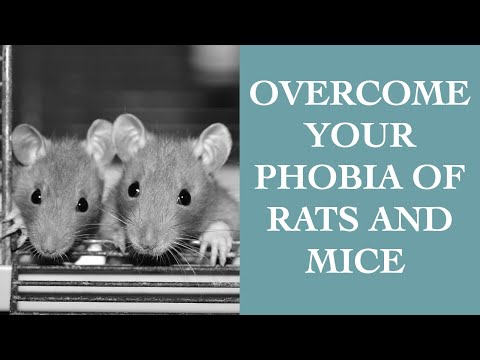
So, let’s talk about something kind of sneaky: rodent phobia. You know, that gut-wrenching fear of mice and rats? Yeah, it’s a real thing.
Picture this: you’re just chilling at home when suddenly a little mouse scurries across the floor. Your heart races, your palms get sweaty. You might even scream! It sounds a bit dramatic, but for many, it’s super real.
This fear can totally mess with your day-to-day life. Seriously, imagine avoiding places because you’re worried about those tiny critters showing up. Not cool!
So, why do so many people feel this way? What’s behind that panic and anxiety? Let’s dive into the whys and hows of confronting rodent phobia together!
Effective Strategies to Overcome Rodent Phobia: A Comprehensive Guide
Rodent phobia, or musophobia, is a pretty common fear. It can manifest in different ways, like feeling anxious at the mere thought of mice or rats. You might even feel your heart race when you see one on TV. It’s wild how fear can take over like that, right?
So, if you’ve got this phobia, there are actually some effective strategies to help you overcome it. Let’s break it down!
Gradual Exposure
This is all about slowly getting used to what scares you. Instead of jumping straight into seeing a rat up close (which would be terrifying!), start with something small.
- Look at pictures of rodents.
- Watch videos that feature them.
- Visit a pet store and see them from a distance.
You follow me? The idea is to expose yourself little by little until those feelings of fear begin to fade.
Cognitive Behavioral Therapy (CBT)
This technique focuses on changing the way you think about your fear. You might have thoughts like “Mice are dangerous” or “What if I touch one?” CBT helps you challenge and reframe those thoughts.
For instance, instead of thinking “A mouse will bite me,” try telling yourself “Most mice are scared of humans and will run away.” It feels silly at first but trust me, it can shift your perspective over time!
Mindfulness and Relaxation Techniques
Learning how to calm down when anxiety hits can be super helpful. Practices like meditation or deep breathing exercises come in handy when you’re feeling overwhelmed.
You could try taking slow breaths: inhale for four counts, hold for four counts, then exhale for six counts. It’s a simple way to reduce panic when thinking about or encountering rodents.
Education and Awareness
Sometimes, understanding more about the creatures that scare us can help lessen our fears. Did you know most rodents actually help control pests? Learning facts about their role in ecosystems might make them feel less threatening.
Try reading books or watching documentaries about rodents. Sometimes knowledge really does help in reducing anxiety!
A Support System
Talking to friends or family about your phobia can be comforting! They might even join you on your gradual exposure journey. Having someone by your side makes a big difference—like having backup during a scary video game level.
You know, sharing your feelings openly helps build stronger connections and encourages understanding from those who care about you.
The Power of Positive Reinforcement
Celebrate small victories! If you manage to look at a picture without freaking out? That’s worth celebrating! Rewarding yourself after facing fears keeps you motivated for the next step.
In essence, overcoming rodent phobia isn’t an overnight fix—it takes time and patience. But with these strategies in hand—and maybe some chocolate as a reward—you’re already on the right path!
Understanding Musophobia: Rarity and Insights into Mouse Phobia
Musophobia, or the fear of mice, is one of those phobias that might seem a bit unusual to folks. After all, mice are tiny and often harmless, right? But for some people, just the thought of a mouse can send them into a panic! This fear can be pretty intense and is more common than you might think.
So, what exactly happens in your brain when you have musophobia? When you see a mouse—or even just think about one—your brain might go into overdrive. It triggers your fight-or-flight response, an automatic reaction that prepares your body to either face danger or run away from it. This can result in symptoms like sweating, racing heart, or even the urge to scream. It’s like your mind has hit the panic button for something that really isn’t life-threatening.
Now let’s talk about where this fear comes from. Sometimes it starts with a bad experience. Let’s say you’re at grandma’s house and suddenly see a mouse run across the kitchen floor while you’re making peanut butter and jelly. That moment can freeze in time and stick with you forever! After that, every time you’re in a similar space or situation, your brain might remind you of that scary moment—and boom! You’ve got musophobia.
A lot of this phobia is also tied to cultural influences and misconceptions about mice being dirty or disease-ridden creatures. People often share horror stories about rodents; maybe you’ve heard someone say they carry diseases or chew through walls. These stories just build up the fear even more!
Here are some key insights about musophobia:
- Prevalence: Musophobia doesn’t get as much attention as other phobias like arachnophobia (fear of spiders), but it’s still pretty common.
- Symptoms: The physical reactions can feel overwhelming—like panic attacks involving shortness of breath or feeling dizzy.
- Coping Mechanisms: Many people avoid areas where they think they might encounter mice—like attics or basements—which only reinforces their fears.
- Treatment Options: For those who want to confront their fear, options include talking therapies or gradual exposure therapy—basically getting used to the idea of mice in small steps.
And it’s not just adults who struggle with this; kids can also develop musophobia after a scary encounter. Imagine a child seeing their parents freak out over a mouse; they’re likely to pick up on that fear without even realizing it!
If someone has musophobia—a friend, family member, or maybe even you—it’s crucial to be understanding. Just because it seems irrational from an outside perspective doesn’t mean those feelings aren’t valid!
So yeah… musophobia might sound offbeat compared to other fears we hear about often but it’s real for those dealing with it. Understanding these fears helps us create space for conversations around mental health, which is super important as we break down stigmas surrounding phobias and fears!
Understanding Suriphobia: Symptoms, Causes, and Treatment Options
Suriphobia, or the fear of rats and mice, is a type of specific phobia. It’s not just about disliking these critters; it goes deeper! People with this fear may feel intense dread or anxiety when they see them or even think about them.
The symptoms can really affect daily life. Imagine walking in your house and spotting a rat. For someone with suriphobia, that moment can spark immediate panic. Common symptoms include:
- Pounding heart or rapid breathing.
- Shaking or trembling.
- Avoidance behavior (like avoiding certain places where rats might be found).
- Nausea or feeling dizzy.
You know, it’s like that time when my friend freaked out at a pet store because there was a rat in a cage. She didn’t just jump; she shouted, covered her eyes, and ran straight out the door! That’s what phobias can look like—extreme reactions that seem out of proportion to the actual threat.
Now, why do some people develop suriphobia? The causes can vary widely but often stem from past experiences. Maybe they had a bad encounter with a rat as kids—like seeing one scurry across the playground—and their brain made an association between rats and danger.
Additionally, genetics might play a role. If someone in your family has a fear of something, it’s possible that you could too. But it’s not all nature; nurture counts too! Growing up in an environment where rats are seen as terrifying can heighten this fear as well.
When it comes to treating suriphobia, there are several options available. It really depends on how severe the fear is:
- Cognitive Behavioral Therapy (CBT): This helps change the thought patterns related to the phobia.
- Exposure Therapy: Gradually introducing someone to rats in a controlled way can help lessen their fear over time.
- Medication: Sometimes doctors prescribe anti-anxiety medications to help manage symptoms.
It’s like slowly getting used to riding a bike after being terrified for years—you start small and build up to bigger challenges.
So if you or someone you know deals with suriphobia, remember it’s okay! You’re definitely not alone in this struggle. Understanding more about what scares us is always the first step toward feeling better about it.
Okay, so let’s talk about rodent phobia, or what experts call “musophobia.” Picture this: you’re chilling at home, maybe watching TV or just enjoying a snack, and suddenly you see a mouse scurry across the floor. Your heart races, palms sweat—total freak-out mode! It might seem over the top to some folks, but for those dealing with rodent phobia, it’s a real deal.
You know, it’s interesting how our minds work. Phobias often come from a mix of personal experiences and learned behaviors. Maybe someone had a terrifying encounter with a mouse as a kid—like I remember my friend Sara telling me how she screamed her lungs out when one darted past her at her grandma’s house during dinner. From that moment on, she couldn’t walk into a room without checking for little critters first. It wasn’t just the mouse anymore; it was the fear taking over.
And here’s where psychology dives in: our brains have this amazing ability to link feelings with memories. That initial shock can create a mental pathway that makes even the thought of rodents send shivers down someone’s spine. When your brain starts making these connections, it makes sense that you’d try to avoid anything you associate with fear—even if it means steering clear of places where mice might hang out.
But what happens when this fear spirals? Well, it can end up impacting daily life—like not going to certain friends’ houses or skipping out on camping trips because you’re worried about encountering those furry little guys. That’s not fun for anyone! So confronting these fears usually takes some practice—and sometimes help from professionals who get into your mental space and guide you gently.
Exposure therapy is one common approach. It’s not like they throw you into a room full of rats right away; it’s more like baby steps—you might start by looking at pictures of mice before gradually moving on to videos and then maybe even visiting some friendly ones in a safe environment like at an animal shelter or even through virtual reality experiences. And each step helps rewire those fearful pathways.
What I find fascinating is how facing fears can really empower people. Overcoming something like rodent phobia isn’t just about dealing with mice; it’s also about proving to yourself that you’ve got what it takes to confront challenges head-on—like giving yourself permission to grow beyond those early fears.
So yeah, while rodents will always be part of some people’s dreaded nightmares (I mean, let’s face it—they’re not exactly everyone’s cups of tea), understanding why they strike fear and learning ways to cope can help transform that scary experience into something manageable—or even laughable!