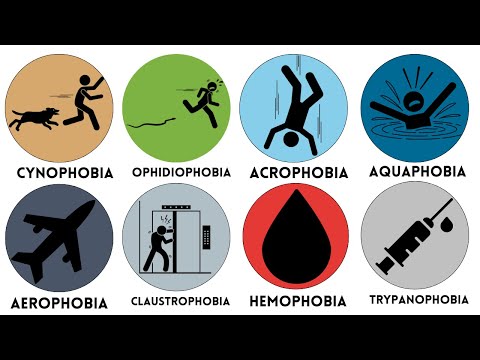
Ever seen someone freak out over a snake? It’s wild, right? I mean, those little guys can really send chills down someone’s spine. But have you ever stopped to think about why some people are so terrified of them?
You might think it’s just a little fear. But for others, it can take over their lives! And honestly, those snake jokes? Not funny when you’re dealing with a serious phobia.
So let’s chat about what makes those slithery creatures so scary for some of us. There’s more to it than just skin and scales—like the brain games that happen in a moment of panic. Curious yet? Stick around!
Understanding the Root Causes of Snake Phobias: Insights and Analysis
So, let’s chat about snake phobia, or what experts call ophidiophobia. I mean, you might know someone who’s just totally freaked out by these slithery creatures. But why? What’s at the root of that fear? Understanding this can shed light on a lot of our emotional patterns.
First off, it’s helpful to know about innate fears. Humans often have built-in fears for survival reasons. Snakes are often associated with danger. Think about it: when you see a snake, your brain can trigger a fight-or-flight response. That’s like an automatic alarm going off! It’s not just you being dramatic—our ancestors probably had to be on alert for these reptiles to stay safe.
Next up, there’s learned behavior, which is fascinating! Maybe as a kid, you were told scary stories about snakes or saw someone react in fear when they encountered one. This kind of thing sticks with you. Your brain makes connections: snake = scary event = fear. Boom! You’ve got a phobia brewing.
- Conditioning: This is where bad experiences come into play. If someone has had an encounter where they felt threatened by a snake—even if they weren’t actually hurt—it can lead to lasting fear.
- Cultural influences: Depending on where you grow up, snakes might be viewed very differently. In some cultures, they’re seen as symbols of wisdom; in others, they’re just plain terrifying!
A peek into some research shows that anxiety can also play a role here. People who feel anxious or stressed may have their sensitivity to certain fears heightened. When you’re already feeling on edge about life stuff, seeing a snake could feel like the last straw.
You might even find that there’s an element of fascination mixed with fear. Some folks are scared but curious at the same time—like they want to know more but are too terrified to get close enough! It’s like being drawn to something powerful yet terrifying.
Anecdotal stories often reveal how personal experiences shape these fears too. Like I once heard about someone who went hiking and had a really close encounter with a large snake unexpected; now just seeing something even resembling that situation sends them into panic mode. It’s not fun!
The good news is understanding all this can help demystify the fear and make it easier to tackle over time—if that’s what someone wants! The roots of snake phobias intertwine various factors: instinctive reactions, past experiences, cultural narratives—all feeding into that complex web we call our psyche.
So next time someone mentions being terrified of snakes, remember it’s deeper than just “they don’t like them.” There are layers there—just like peeling an onion—with each layer adding complexity to their emotional response!
Exploring the Psychological Origins of Serpent Phobia: A Comprehensive PDF Guide
Phobias are pretty intriguing, right? Among them, **serpent phobia**, or **ophidiophobia**, is especially common. It’s that intense fear of snakes that can make a person freeze or panic even at the sight of a picture. Let’s break down where this fear might come from.
First off, it’s essential to know that **phobias often stem from learned experiences**. This can happen in a few ways. You might see someone else freak out about snakes—like remember that time your friend screamed when they spotted one slithering across the trail? That reaction can create a kind of “monkey see, monkey do” effect. You pick up on their fear and start to feel it too.
Another angle is that many fears are rooted in survival instincts. Snakes can be dangerous—you know, some are venomous and can deliver a nasty bite. So, it makes sense if our ancestors developed an aversion to them as a survival tactic. Even today, deep down, you might have this instinct that tells you to steer clear of anything that could pose harm.
Cultural influences also play a part in cultivating fears. Think about movies or stories where snakes are shown as villains, like in “Harry Potter” with the Basilisk or tons of horror films portraying them as creepy creatures. These representations stick with us and may reinforce any initial fears you had.
Now let’s not forget genetics! Some research suggests there could be a biological basis for certain phobias too. It’s possible you could inherit an anxiety tendency from your family which makes you more prone to develop phobias later on.
It’s fascinating, but then reality hits hard: overcoming such fears isn’t always easy! Many people find themselves avoiding places where they might encounter serpents—like hiking trails or even certain jobs—just because of this phobia.
To sum up:
- Learned Experiences: Reactions from others shape your own feelings.
- Survival Instincts: An ingrained need to avoid potential threats.
- Cultural Influences: Movies and stories reinforce negative perceptions.
- Genetics: An inherited tendency towards anxiety or fear.
Ultimately, serpent phobia is complex and woven into our psyche through various threads—experiences, instincts, culture, and maybe even genetics. Understanding these origins can be the first step toward managing those fears if you’re dealing with them yourself or helping someone who does!
Exploring the Psychological Foundations of Serpent Phobia: Insights from a Comprehensive Guide
Phobias can be pretty wild, right? We often hear about people being scared of spiders or heights, but let’s take a closer look at something that might not come up as often: serpent phobia, or ophidiophobia, as it’s technically called.
So, what’s going on in the brain when someone has a fear of snakes? Well, you know how our brains are wired to protect us? Sometimes that wiring goes a little haywire. Ophidiophobia might stem from ancient survival instincts. Our ancestors were likely cautious of snakes because some can be dangerous. It’s like an evolutionary hangover. The brain favors caution over calmness when something could potentially hurt you.
Think about this for a second: if you’ve ever felt your heart race when you see a snake in the wild or even in a movie, that’s your body reacting. This is called the fight-or-flight response. Your heart pounds, palms sweat—it’s all part of your body’s way of saying “Hey! Pay attention!” But for someone with ophidiophobia, this reaction can be exaggerated. Seeing a snake—even a picture—can trigger intense fear.
Now let’s break down some psychological foundations:
So yeah, even if you’ve never had an encounter with one of these slithery creatures, just hearing tales or watching movies can sort of plant those fear seeds in your mind.
Let me share this quick story: A friend of mine grew up loving nature but had a close call during summer camp when he nearly stepped on a rattlesnake while hiking. Ever since then? He can’t look at images of snakes without feeling his stomach drop and palms go sweaty—total panic mode! It shows how real experiences shape our fears.
What helps to work through these fears? Exposure therapyis one approach where people gradually face their fears in controlled settings until they don’t feel so overwhelmed anymore. Also, understanding the likelihood of encountering dangerous snakes might ease anxiety—most snakes are harmless!
So remember: serpent phobia isn’t something to brush off lightly; it taps into deep-rooted psychological mechanisms and personal experiences that may vary widely from person to person. In any case, approaching these fears with curiosity rather than judgment can lead to breakthroughs and maybe even help folks embrace nature without fear someday!
So, you know how some people can’t even look at a picture of a snake without freaking out? That’s called serpent phobia, or ophidiophobia if you wanna get fancy with it. It’s not just a simple dislike; it goes way deeper than that.
Let me tell you a quick story. A friend of mine, Sarah, is terrified of snakes. One day, we were hiking and came across a harmless garden snake. She screamed like she was being chased by a bear! Later on, I found out that when she was little, she saw her older brother trying to catch one in the backyard and he ended up getting bitten. Since then, she’s associated snakes with danger and fear, even though most snakes are totally harmless.
This kind of reaction has roots in our psychology. You see, evolutionary psychology suggests that humans developed fears for survival reasons. Snakes have been around for ages and are often venomous predators. If you’re running in the woods and see one slithering by, your brain might scream “Danger!” as an instinct to keep you safe.
But there’s more to it than just survival instincts. Our personal experiences shape how we react to certain things too; like Sarah’s memory of her brother definitely didn’t help her case! Sometimes these traumatic moments get tucked away in our subconscious but still influence us in ways we don’t even realize.
Cultural factors can also play into it, like stories and myths about snakes being evil or deceptive creatures—think about Medusa or the serpent in the Garden of Eden! These narratives can paint snakes in a pretty bad light throughout history.
So yeah, serpent phobia is this combo of instinctual response mixed with personal stories and cultural influences. It’s fascinating when you think about it—our brains really know how to hold onto fears! And while some folks might conquer their fears through exposure therapy or simply learning more about these creatures (like discovering they aren’t all out to get you), others might carry those feelings for life.
In the end, whether it’s from a scary childhood memory or deep-rooted evolution instincts pulling your strings, understanding this fear can help lighten its hold on us—or at least make us think twice before letting out a full-on scream at the sight of a slithery little guy!