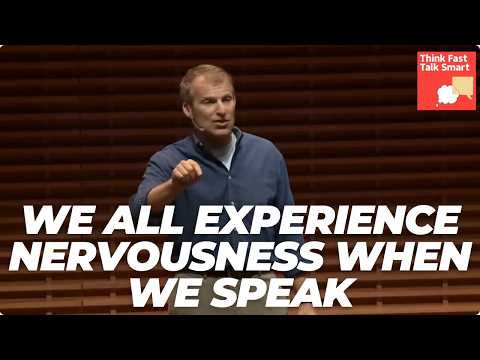
Public speaking. Just thinking about it can make your stomach do somersaults, right? It’s that feeling of knowing everyone’s eyes are on you. Yikes!
You might find yourself sweating bullets, or maybe your mind goes blank the second you step up to the mic. Seriously, you’re not alone in this!
Fear of public speaking is super common. Like, really common. But what’s going on in our heads when that anxiety kicks in? Let’s break it down and see how we can handle it, shall we?
Mastering Public Speaking: Strategies to Conquer Fear and Build Confidence
Public speaking can feel like standing on the edge of a high dive, looking down at the water below. The heart races, sweat beads form, and thoughts swirl: «What if I freeze? What if they laugh?» You’re not alone in this; many people share that gut-wrenching fear. So, let’s break it down and see how you can turn that fear into confidence.
Understanding the Fear
First off, it’s important to realize that fear of public speaking often comes from a few common sources: fear of judgment, fear of failure, or just plain anxiety about being in the spotlight. Our brains are wired to protect us from potential threats, and public speaking might feel like one of those threats! When you speak in front of an audience, your brain goes into overdrive; it senses danger where there isn’t any.
Strategies to Gain Control
Here are some strategies to manage that fear:
- Practice: This might sound cliché, but practice really does make perfect! Try rehearsing in front of friends or even in front of a mirror. The more familiar you become with your material, the less scary it seems.
- Breathe: Before you step on stage (or wherever you’re speaking), take deep breaths. Seriously! It sends oxygen to your brain and helps calm those racing thoughts.
- Acknowledge Your Feelings: It’s okay to be nervous! Instead of pushing those feelings away, try acknowledging them. Maybe say to yourself, «Yeah, I’m nervous because this matters.» It’s totally normal.
- Visualize Success: Picture yourself giving a great talk. Imagine the audience reacting positively—smiling faces instead of frowns! This visualization can shift your mindset from dread to anticipation.
- Focus on Your Message: Shift your attention away from how you’re performing towards what you want to share with your audience. They’re there for your story or message—not just to watch you!
- Connect with Your Audience: Try making eye contact or smiling at different people in the crowd. It can help humanize them and make it feel less intimidating.
- Start Small: If big crowds freak you out too much at first, start with smaller groups—like friends or family—before moving up to larger audiences.
The Power of Experience
Let’s not forget: every great public speaker started somewhere. Take J.K. Rowling for instance; she once struggled with stage fright before her readings became famous! She didn’t let her fears hold her back but kept pushing through.
Over time and repeated experiences, those fears can shrink down significantly. Each time you speak up—whether at a meeting or in front of an audience—you build up not only experience but also resilience.
Acknowledge Progress
It’s essential to celebrate small victories along the way! Maybe today you managed eye contact without feeling too anxious—or maybe you remembered all your main points without notes. Those moments matter because they help reinforce positive feelings about public speaking.
In short (but don’t take my word for it), conquering the fear might take time as well as practice—but it’s totally doable! With these strategies tucked under your belt and some self-compassion thrown into the mix—you’re already well on your way toward becoming a more confident speaker. And who knows? You might just find that high dive doesn’t look so daunting after all!
Mastering Public Speaking: Effective Strategies to Overcome Glossophobia
Public speaking can feel like a monster hiding under your bed, making your heart race and palms sweat. This fear, known as glossophobia, affects a lot of us. You’re not alone if the thought of standing in front of an audience makes you cringe! So let’s chat about some strategies to help you tackle this fear head-on.
First off, it’s essential to understand what’s happening in your head when you think about speaking in public. Your brain goes into fight-or-flight mode, which is totally normal. It’s like your mind is telling you there’s danger lurking around every corner. To counteract that feeling, deep breathing can be super helpful. A few slow, deep breaths can calm your nerves significantly—seriously!
Another key point is preparation. If you’re well-prepared, it boosts your confidence big time! Practice really does make perfect. Think of it this way: the more familiar you are with your material, the less scary it becomes. You could even practice in front of a mirror or record yourself and play it back—a bit cringy at first but so effective!
Here are some strategies to conquer glossophobia:
- Visualize success: Picture yourself giving an awesome speech and everyone applauding at the end. This positive imagery helps shift your mindset.
- Know your audience: The people watching aren’t out to get you; they’re there to listen and learn from what you have to say.
- Start small: If big crowds freak you out, start with a small group of friends or family. Build up from there!
- Focus on the message: Shift the focus from yourself to what you’re trying to share with others. What do they need to know? That’s what matters!
Let me tell you a quick story: I once knew someone who was terrified of public speaking—like sweaty palms and racing heart terrified! They decided to join a local Toastmasters club as a way to challenge themselves in a supportive environment. At first, they stumbled over words and felt anxious, but as weeks passed by, their confidence grew so much that they started giving speeches on topics they loved! By putting themselves out there little by little, they turned that fear into excitement.
Another thing worth mentioning is seeking feedback after your speeches or presentations. Don’t shy away from constructive criticism—it helps improve for next time! You might think everyone’s judging harshly when you mess up a word or two, but often they’re more forgiving than we think.
Finally, remember that everyone feels nervous sometimes—even seasoned speakers! Embracing those jitters means acknowledging that you’re human just like everybody else in the room.
In summary, overcoming glossophobia isn’t about eliminating fear altogether; it’s about finding ways to manage it better so it doesn’t hold you back from sharing what you’ve got inside! Consistent practice and using these strategies will help quiet that inner critic one step at a time. You got this!
Understanding the Psychological Barriers to Public Speaking Anxiety: A Brain-Based Approach
Public speaking anxiety is a pretty common fear. Seriously, who hasn’t felt their heart race or palms sweat at the thought of speaking in front of a crowd? The cool thing is that understanding the psychological barriers can help you see what’s going on in your head when this fear hits.
So, let’s break it down. One major culprit is the fear of judgment. You might worry about what people will think. Will they laugh? Roll their eyes? Or maybe just look bored? This fear often stems from our social nature; we want to fit in and be liked. Think about it: if you’ve ever been in a situation where all eyes were on you, the pressure can feel insane, right?
Another barrier is perfectionism. Some people feel they have to deliver a flawless performance. It’s like being your own worst critic! If you stumble over a word or lose your place, it can feel like the end of the world. But here’s the deal: everyone makes mistakes. Remember that time you tripped in front of someone? Instead of ridicule, most folks probably just thought it was funny and relatable—so why do we treat public speaking differently?
Then there’s cognitive distortions. These are basically ways we filter our thoughts that make things seem scarier than they are. Maybe you think, “If I mess up, I’ll embarrass myself completely.” This black-and-white thinking ignores all those times things went well for you. Reminding yourself of those better times can help counteract these overwhelming feelings.
Also, let’s talk about physiological reactions. Your body reacts to stress with physical symptoms: sweaty palms, shaky knees, racing heart—sounds familiar? This is because your brain sees public speaking as a threat. In fact, it triggers your fight or flight response! So next time you’re about to speak, remind yourself that your body is just following its natural instincts.
And did you know that practice can totally change the game? Yep! When you practice regularly, not only does your confidence grow but also your brain starts wiring itself differently during presentations. It’s like training for a sport; the more you do it, the easier it gets!
In summary:
- The fear of judgment makes us anxious about what others think.
- Perfectionism puts crazy pressure on us to perform flawlessly.
- Cognitive distortions create negative thinking patterns that blow things out of proportion.
- Physiological reactions, like sweating and shaking, stem from our body’s natural stress response.
- Practice changes everything.
Understanding these psychological barriers can empower you to tackle public speaking with more confidence and ease! The next time you’re up for a presentation or speech, remember—it’s entirely normal to feel nervous. Just take a deep breath and focus on sharing what you know rather than dwelling on fears. You’ve got this!
So, let’s talk about something that makes a lot of us break out in a cold sweat: public speaking. Seriously, for many people, the thought of standing in front of a crowd can feel like being chased by a lion. But what’s really going on in your head when you’re faced with this fear?
First off, there’s this fancy term called “glossophobia,” which is just a way to describe the fear of public speaking. It sounds kind of official, but it’s pretty common. Picture this: you’re preparing for a presentation at work or school. Your palms get sweaty, your heart races—it’s like your body thinks it’s preparing for battle! That’s because your brain goes into high alert mode, producing stress hormones like adrenaline. It’s basically your internal alarm system telling you something is wrong.
You know, I remember this one time when I had to give a speech at my friend’s wedding. My stomach felt like it was doing somersaults! I kept imagining everyone staring at me, judging every word I said. What helped was realizing that most people were rooting for me. They wanted to hear what I had to say and were probably just as nervous for me as I was for myself.
Now, there are some psychological tricks that can help ease the anxiety around public speaking. One biggie is visualization—like picturing yourself owning the stage and rocking it! When you visualize success, your brain starts to create pathways that make it easier to actually perform well later on.
Another interesting thing is desensitization. Basically, it’s about gradually exposing yourself to the speaking situation. Start small—maybe practice in front of a mirror or with friends who won’t judge you (like your dog!). As you gain confidence bit by bit, you’ll find that those intense feelings start fading.
Plus, focusing on what you’re saying instead of how you’re being perceived can seriously change the game. Often we get tangled up worrying about what others think instead of just sharing our thoughts and ideas.
And hey, sometimes reminding yourself that everyone makes mistakes helps too! Nobody’s perfect—we’re all just human here trying our best.
In short, overcoming the fear of public speaking isn’t just about learning techniques; it involves understanding how our minds work when we face these fears and embracing those moments instead of running from them. You got this!