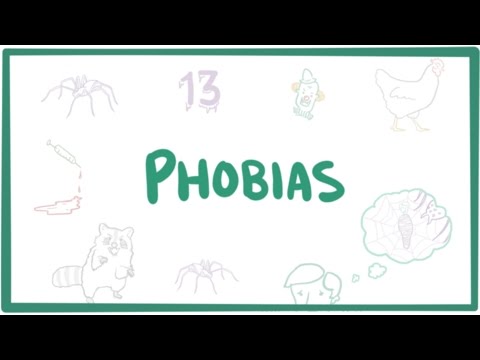
You know how some folks get all jittery at the thought of spiders? Or maybe someone can’t even think about heights without sweating bullets? Phobias can feel like these wild rollercoasters in our minds.
They’re not just random fears, though. There’s often a deep story behind them, like hidden roots twisting through our past experiences and emotions.
Ever had that moment when a simple thing suddenly makes your heart race? Yeah, that’s what phobias can do. They can hit you out of nowhere and leave you feeling totally overwhelmed.
So, if you’re curious about the different types of phobias out there and what fuels them, you’re in the right place! Let’s dive into this together—seriously, there’s so much to uncover!
Exploring the 20 Types of Phobias: Common Fears and Their Impacts
Phobias are really interesting, but they can also be super intense for those who experience them. Basically, a phobia is an overwhelming fear of a certain thing or situation that’s usually out of proportion to the actual danger it poses. And there are tons of different types! Here’s an exploration of 20 common phobias and their impacts.
- Arachnophobia: This is the fear of spiders. Many people get squeamish at the sight of a spider, but for those with arachnophobia, it can trigger real panic attacks. Imagine walking into a room and spotting one tiny spider—suddenly your heart races, and you feel like you can’t breathe.
- Claustrophobia: This involves the fear of small spaces. Think about getting stuck in an elevator or crowded room; it can feel suffocating for those who struggle with this phobia. Some folks avoid basements or tight places altogether.
- Acrophobia: It’s all about heights. People affected might freak out on tall buildings or even when looking over a balcony. Just being up high can lead to dizziness and extreme anxiety.
- Aerophobia: Fear of flying falls into this category. It can prevent someone from traveling or seeing new places because just thinking about boarding a plane makes them anxious.
- Cynophobia: This is all about dogs—not all dogs, but the fear can be severe enough to make someone cross the street to avoid one! It often stems from past trauma involving animals.
- Agoraphobia: This isn’t just a fear of heights but often relates to being outside or in situations where escape might be difficult. It can become so severe that someone may not leave their home for long periods.
- Social Phobia (Social Anxiety Disorder): It’s more than just shyness; it’s an intense fear of social situations where one might be judged. Even simple things like speaking in public or meeting new people can cause distress.
- Mysophobia: This is about germs and dirt—think extreme cleanliness obsession! A person with mysophobia might avoid touching doorknobs or shaking hands.
- Thanatophobia: The fear of death or dying can lead to anxiety over health issues, aging, and even everyday activities that might seem risky!
- Hemophobia: It’s the fear of blood, and it’s not just about getting squeamish seeing blood; sometimes it leads to fainting spells when confronted with wounds or cuts.
- Monophobia: The fear of being alone affects many people; they may avoid staying home alone at all costs! This could impact relationships and independence.
- Ophidiophobia: The fear of snakes—some folks can’t stand even looking at pictures! It’s rather common and can cause panic during hikes in nature.
- Trypanophobia: Fear of needles is super real for many people. Going to the doctor for vaccinations becomes really stressful when you’re terrified of needles!
- Emetophobia: This one involves the intense fear of vomiting—people may go to great lengths to avoid situations that could make them feel sick at all costs!
- Pteromerhanophobia: Yup, you guessed it—the fear of flying specifically related to turbulence! For some reason, it’s particularly role-played in movies for laughs!
- Sociophobic Disorders (More Complex Social Fears): These fears evolve around different social interactions but aren’t limited to public speaking; they encompass various experiences that involve social scrutiny.
- b/glossphobia/b: Fear linked directly towards public speaking can bring on excessive sweating & shaking — pretty rough situation!
- )
- )
- (//furtherinsightsonfalsecomposure.)
So yeah! All these phobias have their roots usually tied back to personal experiences—or sometimes simply how our brains are wired. Certain phobias may cause significant discomfort impacting daily lives while others merely create inconvenient moments here & there.
Understanding these fears helps normalize human experiences—we’re all scared by somethings right? Embracing our fears doesn’t mean letting them control us…It’s more like finding ways around intense reactions while remaining understanding towards others confronting similar issues too!
Feel free next time someone opens up sharing their discomfort level—it becomes relatable understanding rather than solely isolating experience between peers facing challenges!
Comprehensive A to Z List of Phobias: Understanding Fear and Anxiety Disorders
Alright, so let’s chat about phobias. You know, those intense fears that just don’t make sense? They can really mess with your day-to-day life. It’s like, you’re walking down the street, just minding your own business, and bam! Something triggers that all-consuming fear. Let’s break it down a bit.
What is a Phobia?
A phobia is more than just being scared of something. It’s an overwhelming fear that can cause severe anxiety when you encounter the object or situation you’re afraid of. You might even go out of your way to avoid it altogether.
Now, here’s where it gets interesting. Most phobias are categorized into three main types:
- Specific Phobias: These are fears about a specific thing or situation, like spiders (arachnophobia) or heights (acrophobia).
- Social Phobia: This one involves an intense fear of social situations where you might be judged—think public speaking or meeting new people.
- Agoraphobia: It’s the fear of being in situations where escape might be difficult—or embarrassing—like crowded places or public transportation.
The Roots of Phobias
So why do these fears develop? Well, there ain’t always a clear answer. Sometimes it stems from a traumatic experience—a dog bite might lead to cynophobia (fear of dogs). Other times, it’s more about learned behavior; if your parents were fearful about something, you could pick up on that.
And then there are those times when it feels totally random. Like someone fearing clowns (coulrophobia) without any past experience related to them! It shows just how unique our minds can be.
Common Phobias
Alright, I’ll throw some common phobias your way:
- Arachnophobia: Fear of spiders.
- Aquaphobia: Fear of water.
- Xenophobia: Fear of strangers or foreigners.
- User-reported fear often linked to panic attacks.
Once we get into specifics like this, we start noticing patterns in people’s fears and experiences around those phobias.
It’s also noteworthy that phobias are often diagnosed based on how much they interfere with daily life. If someone can’t take the subway because they’re terrified it’ll crash or be too crowded—that’s a problem worth addressing.
Coping Strategies
Coping with a phobia isn’t one-size-fits-all. But here are some common strategies:
- Gradual Exposure:This method involves slowly facing what you fear in a safe environment until it becomes less terrifying.
- Cognitive Behavioral Therapy (CBT):This helps reframe negative thoughts tied to the fear and develop healthier responses.
- Meditation & Relaxation Techniques:Pumping the brakes on anxiety through mindful breathing and relaxation exercises can help momentarily lessen fear responses.
If you’re finding yourself grappling with anxiety or panic due to a phobia, talking things out can truly help provide perspective—even if it’s just venting to a friend who gets where you’re coming from!
In summary, understanding phobias goes beyond simply defining them. It’s about recognizing their roots and seeing how they impact real lives every day. By confronting these fears—whether through self-help techniques or professional support—you take significant steps towards feeling more at ease in this world filled with triggers!
Exploring the Top 100 Strangest Phobias: A Comprehensive Guide to Uncommon Fears
Exploring phobias can be a wild ride. You know, some fears are pretty common—like spiders or heights—but others? They’re downright bizarre! Imagine being terrified of something you’d never think twice about. Let’s take a look at some of the strangest phobias out there and dig into why they might happen.
1. Nomophobia – This is the fear of being without your mobile phone. Seriously, people get anxiety when their phone’s battery dies or they lose it. Think about how dependent we’ve become on those tiny devices.
2. Triskaidekaphobia – Now here’s a classic: fear of the number 13. This might stem from cultural beliefs and superstitions surrounding that number, like Friday the 13th being unlucky.
3. Anthophobia – This one’s all about flowers! Can you believe that some people are scared of them? It could be linked to past experiences or maybe just a strong dislike for the smell.
4. Chionophobia – Fear of snow! Some folks panic at the thought of it falling from the sky. Maybe they’ve had a bad encounter with snowstorms in their past?
5. Arachibutyrophobia – Yep, this is a real thing: fear of peanut butter sticking to the roof of your mouth! It sounds silly, but it can cause actual distress for those who have it.
When it comes to these uncommon fears, there often are roots that go deep into someone’s experiences or even family history. Many phobias develop after an unsettling event or through conditioning—like if you fell while skiing as a kid, you might later dread snowy weather.
Another layer is that sometimes these odd fears can tie into wider psychological issues, like *anxiety disorders*. They don’t always get noticed since they’re not as mainstream as the fear of heights or flying.
People may also be born with certain predispositions toward anxiety, so maybe you’ve got someone whose brain just reacts differently to unusual stimuli.
But hey—it’s not just about feeling weird when these fears pop up; they can seriously interfere with daily life too! Someone afraid of flowers might avoid gardens or parks altogether—or even dread birthdays because there might be floral arrangements around!
So let’s say we took our friend Mark here—he hates snow due to a childhood experience where he got stuck outside in a blizzard for hours. His chionophobia isn’t just amusing; it affects his plans every winter when friends want to go skiing or visiting snowy locations!
In short, human fears can be strange but also tell us valuable stories about our minds and experiences. The more we recognize this variety in emotional responses, including odd phobias, the better we understand ourselves—and each other—too!
Phobias are one of those intriguing quirks of the human mind. It’s wild how certain things can scare us to our core, like the thought of a spider crawling on us or being stuck in an elevator. I mean, think about it—sometimes our fears seem totally irrational. Like, why would a harmless little spider set off alarm bells in our brains?
The roots of these phobias can be traced back to all kinds of experiences and psychological factors. A lot of times, it comes from a past trauma. For example, if you had an unpleasant encounter with a dog when you were younger, that might make you wary of all dogs for life! It’s almost like your brain is trying to protect you by associating that fear with potential danger.
Then there’s the social aspect. If someone around you—like a parent or friend—freaks out about something, it’s easy to pick up on that fear and adopt it as your own. You see your buddy scream at the sight of a snake and suddenly you find yourself feeling all jittery when they slither into view!
But hey, not every phobia is rooted in trauma or mimicry. Sometimes there’s just this weird wiring in our brains that makes certain fears more prevalent than others. I read somewhere that heights (acrophobia) or flying (aviophobia) are super common because they involve situations where we feel out of control—and who doesn’t get freaked out about losing control?
It’s fascinating how diverse phobias can be too! Some folks dread things like clowns (coulrophobia), while others might have an aversion to flowers (anthophobia). Like, who even decided clowns were scary?
What makes this exploration so interesting is how understanding these fears can help demystify them. Once you know where they come from, maybe they won’t hold as much power over you anymore. I once had this buddy who was terrified of elevators. After digging into why he felt that way—a childhood incident where he got stuck during a power outage—he started facing his fear little by little. He took stairs instead first but then started taking short elevator rides with friends for support.
So yeah, phobias reflect some pretty deep stuff in our psyches. They tell stories about experiences and emotions locked away inside us! It’s worth exploring what lies behind those fears—not just for ourselves but also for helping someone else who might feel trapped by their own irrational scares.