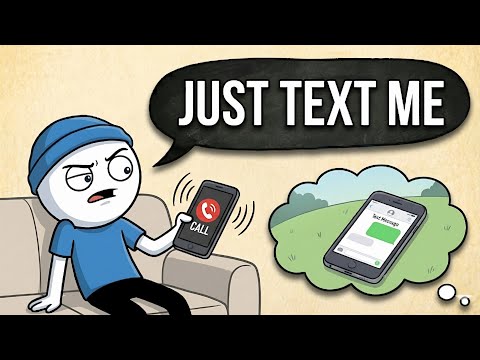
You know that feeling when your phone buzzes, and you, like, freeze up? Yeah, it’s a thing. A lot of us feel this weird mix of dread and panic when it comes to making calls or even answering them.
It’s funny, right? In a world where we’re constantly connected, actually using our phones can be a total nightmare. But guess what? You’re not alone in this.
There’s some interesting stuff in psychological research about why we feel this way. It’s not just you being shy or awkward.
So let’s break it down together. We’ll dig into the whys and hows of phone anxiety, and maybe we can even find some ways to ease that tension. Sound good?
Exploring the Connection Between Social Anxiety and Mobile Phone Addiction: Insights from a Three-Level Meta-Analysis
Exploring the connection between social anxiety and mobile phone addiction is pretty eye-opening. People are increasingly reaching for their phones to escape uncomfortable situations, which creates a bit of a loop. You know? Social anxiety drives them to seek comfort in their screens, but that can lead to an unhealthy attachment to their devices.
Social Anxiety is basically that nagging feeling of worry when you’re around others. It might be like that moment when you’re at a party, and you feel everyone’s eyes on you. So, instead of engaging, many people pull out their phones. It’s almost like a shield. They think they’re avoiding judgment, but they’re also missing out on real connections.
On the other hand, phone addiction has become super common. Basically, it’s when someone feels they can’t live without their device. A study might reveal that this addiction often relates back to social behaviors and feelings of reassurance we get from notifications or “likes.” Those little buzzes can give us a boost but don’t truly replace face-to-face interactions.
So here’s what happens:
- Anxiety triggers phone use. Imagine feeling anxious in a social setting—your immediate reaction may be to check your phone.
- Frequent use reinforces anxiety. The more time spent on the phone means less practice engaging with others in real life.
- A cycle emerges. This cycle becomes self-perpetuating; needing the phone becomes about avoiding discomfort rather than engaging with it.
But there’s another layer to this—people dealing with social anxiety often find themselves preferring online interactions over face-to-face ones. This isn’t always bad but can lead to isolation over time. For instance, if texting feels safer than talking in person, individuals might gradually rely more on their phones for communication.
Even though it seems harmless at first, when people consistently choose their phones over personal interactions, it really limits their opportunities to build confidence in social settings. There’s this ironic twist where using the phone for reassurance actually deepens feelings of loneliness and anxiety.
So yeah, researchers have explored these connections through meta-analysis—basically taking data from various studies and piecing together what they say as a whole. What they’ve found is rather striking: there’s a significant link between high levels of mobile phone use and greater instances of social anxiety.
By understanding these patterns better, it’s possible for folks facing both issues to find healthier ways to cope—like setting boundaries around phone use or gradually pushing themselves into more social activities without relying heavily on their devices.
To put it simply? Tackling phone addiction needs awareness of its role in feeding social anxiety while knowing how these two things play off each other makes room for healthier habits moving forward!
Exploring the Impact of Social Media on Romantic Relationship Formation for Individuals with Social Anxiety
Social media has really changed how we connect with each other, especially when it comes to romantic relationships. For someone with social anxiety, this shift can be a double-edged sword. Let’s talk about how social media impacts those folks trying to form romantic connections.
First off, let’s get one thing straight. Social media can provide a cushion. You know, instead of meeting face-to-face right off the bat, you can slide into someone’s DMs or send a quick message. This feels way less intimidating than the thought of a live conversation. For many individuals dealing with social anxiety, those initial interactions online can help them warm up before meeting in person.
But there’s a catch! Being behind a screen also means there’s a lot of room for miscommunication. Without body language or tone, messages can easily be misunderstood. Imagine texting someone and then waiting forever for them to reply; your mind might start racing with all sorts of «what if» scenarios, like “Did I say something wrong?” or “Do they even like me?” It can spiral quickly.
Another important point to consider is reliance on online validation. Social platforms have this weird tendency to make us feel validated through likes and comments. For someone with social anxiety, this might feel like a quick confidence boost but it often leads to overthinking interactions. If they don’t get enough engagement on something, it could send them spiraling into self-doubt.
In romantic settings, the pressure of crafting the perfect image arises too. Profiles become curated representations that may not reflect reality. You want to show your best side! But this might also lead to feelings of inadequacy when comparing oneself to others’ seemingly perfect lives online. It’s tough when you feel disconnected from that idealized version you see.
Let’s not forget about fear of rejection. The very thought of putting yourself out there—sending that message or asking for a date—can be daunting for anyone with social anxiety. Social media offers some anonymity but still leaves that nagging feeling of vulnerability exposed once emotions are involved; because what happens if they don’t respond? Ouch!
That being said, some studies suggest that online communities can actually foster connections. Having shared interests in specific groups or forums allows individuals to engage in conversations around things they love without the overwhelming pressure of traditional dating scenes.
Additionally,
, as opposed to speaking in real-time where emotions and nerves run high. This kind of self-expression fits nicely into the comfort zone for many anxious folks out there.
Lastly, while social media can boost opportunities for connection, it’s also important not to lose sight of the need for real-life interactions. Balancing virtual communication with face-to-face meetings is essential for forming authentic relationships.
In short, while social media opens doors and provides safety nets for individuals grappling with social anxiety in regard to romantic relationships, it’s crucial to navigate those waters carefully so as not end up feeling more isolated instead! Remembering that it’s just one avenue among many is key as you venture into forming those meaningful connections.
Navigating Social Anxiety in the Digital Age: The Impact of Technology on Mental Health
Navigating social anxiety today is like walking a tightrope, especially with technology playing such a big role in our lives. You know, the internet, social media, texting—it’s all here to stay. But how it impacts our mental health can be kind of a mixed bag.
Phone anxiety, for instance, is a real thing for many people. When all you need to do is pick up the phone and call someone, but your heart races, palms sweat, and you feel like you’re about to faint? Yeah, that’s not fun. Studies have shown that this anxiety often spikes in the digital age. You might wonder why it’s easier to send a text than make an actual call. Well, it’s like we get that safety net with screens. You don’t see the other person’s face or body language as clearly.
That leads us to some key points about how technology shapes our social behaviors:
- Reduced Face-to-Face Interaction: Relying on texts and chats can limit real-life social skills.
- Fear of Judgment: Every notification ping could feel like judgment day; what if they don’t reply? Or worse—what if they leave you on read?
- Social Media Comparisons: Scrolling through perfect profiles can make you feel inadequate and crank up anxiety levels.
- Increased Isolation: Even though tech connects us globally, it can ironically make us feel more alone.
Let me tell you a little story—my buddy Dave used to dread phone calls so much that he’d procrastinate making important ones until the last minute. But when he got into texting for everything—from setting up meetings to just checking in with friends—he found himself feeling more isolated over time. The irony? He was “connected” yet felt lonely.
Now, balancing this digital interaction with face-to-face connection becomes crucial for managing that anxious feeling when it comes time to actually talk on the phone or meet up in person. It’s not just about avoiding discomfort; it’s about building your confidence.
To tackle phone anxiety effectively in today’s world:
- Practice Makes Perfect: Start by calling a friend who gets it; they’ll help ease those jitters.
- Create Comfort Zones: Pick times when you feel relaxed—maybe after coffee or while taking a walk.
- Acknowledge Your Feelings: Accept that it’s okay to feel anxious; everyone does sometimes!
So yeah, navigating social anxiety today doesn’t have to mean feeling trapped by technology or overwhelmed by expectations. Learning how to manage these feelings takes time and patience but doing it while recognizing the role tech plays truly makes a difference in your mental well-being!
You know that feeling when your phone rings, and you just freeze? It’s like a little jolt of panic shoots through you. You might think, “Oh no, what do I say?” or maybe you even let it ring until it stops. This is actually more common than you’d think. It’s called phone anxiety, and surprisingly enough, there’s some psychological research out there that gives us a peek into why this happens.
So here’s where it gets interesting. Many people feel anxious about making calls or answering the phone because they fear judgment or rejection. Weirdly enough, social media has kind of made things worse. We’re used to communicating through texts or emojis where we can take our time to respond. You don’t really have the same luxury on a call; everything is live! It feels like being put on the spot, and for some folks, that’s a big deal.
Think back to a time when you had to make an important call—maybe for a job interview or catching up with someone after ages. I remember when I had to call this old friend who I hadn’t spoken to in years. My heart raced just thinking about how awkward it might be! What if they didn’t want to talk? What if there was silence on the other end? So I sat there staring at my phone for way too long before finally mustering up the courage to hit dial.
Research suggests that one way to tackle this anxiety is by practicing gradual exposure. Basically, it means starting with small steps—like just calling someone close before moving on to more daunting calls. It’s kind of like building muscle; the more you do it, the easier it becomes over time.
Another insight from psychology is about self-talk. That voice in your head can either be your best friend or your worst enemy, right? Instead of thinking about all the possible mishaps that could happen during a call, try flipping the script: focus on how good it’ll feel once you’ve made the call and it’s over! It’s like training yourself to see conversations as opportunities rather than risks.
Also worth mentioning is remembering that everyone else has their own worries too! People are generally not as focused on your performance as we tend to think—they’re probably dealing with their own stuff while talking with you.
So yeah, confronting phone anxiety isn’t easy; but understanding what’s behind those feelings can really help ease them over time. Next time your phone buzzes and sends that familiar wave of dread through you, maybe take a breath and remind yourself: it’s just a conversation waiting to happen!