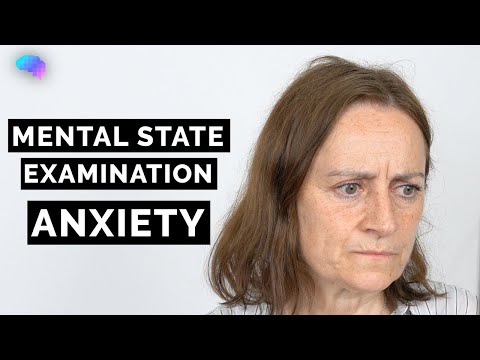
You know those days when your mood just feels all over the place? Like, one minute you’re on cloud nine, and the next, you’re wondering if it’s normal to feel this way? Yeah, that’s what we’re talking about here.
Mood and anxiety disorders can really mess with your head. It’s not just in your mind; it affects everything—how you feel, think, and even how you act. Sometimes, it can feel like a storm is brewing inside of you, and you just can’t figure out why.
So what gives? Well, understanding these feelings is a big part of figuring out what’s going on. That’s where psychological assessments come into play. They’re like little road maps for navigating through the chaos.
Let’s break down how these assessments work and why they matter for anyone dealing with mood swings or stress levels that don’t quite match up with what’s happening around them.
Understanding the 5 P’s of Psychological Assessment: Key Components Explained
Psychological assessment can feel like a maze at times. But when we talk about the 5 P’s, it gets a bit clearer. The 5 P’s stand for Presenting Problem, Personal History, Psychological History, Predisposing Factors, and Prognosis. Each one carries weight in understanding mood and anxiety disorders.
Let’s break it down, shall we?
Presenting Problem:
This is about why someone seeks help in the first place. Picture someone who’s feeling overwhelmed with anxiety before work every day. They might say, “I can’t seem to focus or breathe.” This description guides the assessment—like a spotlight on what needs addressing.
Personal History:
Here, we dive into the individual’s life story. It includes things like their childhood experiences, education, and family dynamics. For instance, if someone grew up in a chaotic household, it might affect how they deal with stress as an adult. This layer helps paint a fuller picture of who they are.
Psychological History:
This part looks back at past mental health issues or treatments. Maybe someone had therapy for depression five years ago but didn’t stick with it. Or perhaps they once tried medication that didn’t work out for them. Recognizing these patterns helps professionals see what strategies may or may not have been effective before.
Predisposing Factors:
These are the underlying factors that could make someone more vulnerable to mood or anxiety disorders. It could be genetic—like having family members with similar issues—or environmental factors, such as ongoing stress at work or financial struggles. These elements are like little puzzle pieces that contribute to the overall picture of mental health.
Prognosis:
Finally, where does all this information lead us? Prognosis is about predicting the likely outcome of treatment based on all previous points discussed. If someone has supportive friends and family but struggles with anxiety alone, professionals might feel optimistic about their chances for improvement.
So there you have it! The 5 P’s help create a comprehensive view of someone’s psychological state when assessing mood and anxiety disorders. Each component plays its part in understanding not just where someone is now but also how they got there—and where they might head next.
Exploring the Four Types of Psychological Tests: A Comprehensive Overview
Exploring psychological tests is kind of like peeking behind the curtain of how our minds work. These tests are designed to help assess mood and anxiety disorders, and there are four main types that you might come across. Here’s a casual rundown on each type, keeping it real, you know?
1. Self-Report Inventories
These are pretty much what they sound like. You answer a series of questions about your thoughts and feelings. This helps professionals figure out how you’re doing emotionally. Common examples include the Beck Depression Inventory and the Generalized Anxiety Disorder 7-item scale (GAD-7).
So imagine you’re filling out a questionnaire after having a rough week—maybe you’ve been feeling more anxious than usual. Your answers give insight into your mood levels and can highlight patterns in your emotions.
2. Projective Tests
These tests are all about what you see or interpret in ambiguous situations. The famous Rorschach inkblot test is a classic example. You look at inkblots and say what you see; this can reveal your subconscious thoughts or feelings.
Like, think about it: if you look at an inkblot and see a bat, that might tell someone something different than if you saw a butterfly! The interpretations can uncover deeper layers of what’s going on in your mind, especially when it comes to anxiety or mood issues.
3. Behavioral Assessments
Now we’re talking about how you actually behave in different situations! These assessments look at your actions rather than just your words or feelings. For instance, if someone is super anxious about public speaking, they might observe how you act in front of a group.
Imagine you’re being watched while giving a speech—your body language, fidgeting, or even avoidance tells a whole story that words alone might not convey.
4. Neuropsychological Tests
This type looks more at how brain function relates to behavior and emotions, often helping with diagnosing specific conditions like depression or anxiety disorders linked to cognitive function.
For example, tests measuring memory can reveal if there’s any cognitive decline affecting mood—like forgetting things because you’re anxious all the time could mess with daily life.
Each of these types serves its purpose in psychological assessment for mood and anxiety disorders. They provide valuable insight into not just what we feel but also why we feel that way! And isn’t that fascinating? Figuring out these patterns helps professionals tailor their approach to support people better.
In summary, whether through self-reports, projective tests, behavioral assessments, or neuropsychological evaluations, these tools offer important glimpses into the complexities of our emotional lives!
Understanding GAD-7 and PHQ-9 Screening Tools: Key Insights for Mental Health Assessment
Understanding GAD-7 and PHQ-9 Screening Tools
When it comes to assessing mood and anxiety disorders, two popular tools often pop up: the GAD-7 and PHQ-9. These are basically questionnaires designed to help healthcare providers figure out how you’re feeling. Let’s break them down a bit.
What is GAD-7?
The GAD-7 is like a quick check-in for anxiety. It stands for Generalized Anxiety Disorder 7-item scale. You know, it includes seven questions that ask about feelings of anxiousness, nervousness, or worry over the past two weeks. You rate how often these feelings occurred on a scale from 0 (not at all) to 3 (nearly every day). Simple, right?
For instance, one question might be: “Feeling nervous or anxious?” If you felt that way more days than not, you’d give yourself a higher score. But don’t worry; it’s meant to give an idea rather than label you.
What about PHQ-9?
Now let’s talk about the PHQ-9, which stands for Patient Health Questionnaire 9 items. This tool focuses on depression and also has nine questions. They gauge how often you’ve experienced specific symptoms like feeling down or having trouble sleeping in the last two weeks.
Just like with the GAD-7, you’ll rate each symptom on the same scale of 0 to 3. One question could be something like: “Little interest or pleasure in doing things?” The point here is to see if you’re feeling okay or if something more needs attention.
Why Use Them?
Both tools are super useful! They help spot symptoms early and can guide conversations between you and your healthcare provider. By scoring high on these tests, it might mean you’re dealing with some significant anxiety or depression that could benefit from further evaluation or support.
- Quick Assessment: They’re short enough that they don’t take much time to fill out—usually about five minutes.
- Standardized: Since many people use these assessments, they also provide a sort of benchmark for mental health issues.
- Treatment Guidance: Results can help determine what type of care might be most beneficial—whether therapy, medication, or just check-ins.
Anecdote Time!
So imagine you’re chatting with a friend who’s been feeling really stressed at work lately. They take the GAD-7 at home one night after reading about it online. Turns out their score suggests moderate anxiety! This gives them a good reason to talk to someone about it rather than just brushing it off as “life.” It’s pretty cool how something as simple as a few questions can open up such important discussions!
The Bottom Line
So there you have it! The GAD-7 and PHQ-9 are practical tools that make understanding mental health easier—not just for professionals but for anyone trying to get a handle on their emotions too. They’re straightforward ways to assess where you stand with your mood and anxiety levels so that you can take steps toward feeling better if needed.
So, when we talk about mood and anxiety disorders, it’s a bit of a heavy topic, right? But it’s also super important because these disorders can really mess with a person’s everyday life. It’s wild how something happening in our minds can have such a huge impact on how we feel, think, and even act.
Imagine this: you’re having one of those days where everything feels off. Maybe you wake up feeling like you’ve got this weight on your chest you just can’t shake off. Or there are moments where something really tiny makes your heart race like you’re training for a marathon. That’s the reality for many people dealing with mood and anxiety disorders. It can be overwhelming.
Now, psychological assessment is kinda like shining a flashlight into the dark corners of someone’s feelings and thoughts. It helps to figure out what might be going on under the surface. There are different tools used in these assessments—like questionnaires or interviews—that help professionals gather info about how someone is feeling day to day. It’s not just about checking boxes; it’s more like getting a full picture of what life looks like for that person.
But here’s the thing: assessments aren’t just clinical. They’re also deeply personal experiences. Like, I remember a friend of mine who went through an assessment process. She talked about it being eye-opening but also kinda scary at first, you know? Opening up about emotions isn’t exactly easy for everyone! But in the end, she realized it helped her understand herself better.
And when someone gets diagnosed with something like depression or generalized anxiety disorder (GAD), it can feel like getting labeled as «broken.» But really, it just gives them language to articulate what they’re feeling—and that can be such a relief! Understanding what’s going on allows people to seek help tailored to their needs.
It’s crucial to remember that everyone experiences mood and anxiety differently; some might feel sad more often while others might find that worry just creeps in at odd times. So assessments aren’t one-size-fits-all—what works for one person may not resonate with another.
Anyway, taking steps toward understanding mental health is powerful! And even though these conversations can feel daunting sometimes, they’re important because they lead us toward healing and connection with ourselves and others too!