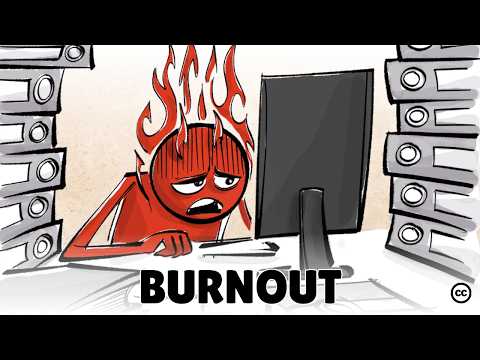
You ever feel like you’re running on empty? Like no matter how much coffee you drink, you just can’t shake that tired feeling? Yeah, that’s burnout creeping in.
It’s sneaky, right? One minute, you’re hustling and getting stuff done; the next, you’re just… not. And it’s not just physical exhaustion. There’s a whole mental game going on too.
Sometimes, you might catch yourself zoning out during meetings or feeling way more irritable than usual. Those are signs, my friend!
In this chat about burnout, we’ll dig into those visible indicators—those little red flags that say «Hey, something’s off!» It’s all about recognizing what your mind and body are trying to tell you before it’s too late. Buckle up!
The Origin of the Term ‘Burnout’: A Historical Perspective
The term ‘burnout’ has become a buzzword lately, but its roots stretch back several decades. It’s not just modern jargon tossed around in casual conversation; it has a solid historical background that sheds light on our understanding of stress and exhaustion today.
The concept was first coined by psychologist Herbert Freudenberger in the early 1970s. He used the word to describe the experience of healthcare professionals who felt drained and disengaged after long hours of emotionally demanding work. Imagine pouring so much into your job day in and day out that you suddenly feel like an empty shell. That’s basically where the term sparked from.
Freudenberger noticed this phenomenon while working with volunteers in a free clinic. He observed how they started off enthusiastic but gradually became tired, cynical, and less effective in their roles. It’s like that moment when you’re all pumped up to start a new project, but by week two, you’re dragging your feet and avoiding it altogether.
After Freudenberger, psychologists dug deeper into burnout as more researchers began to study it across various professions. In the late 1970s, another big name emerged: Christina Maslach. She developed the Maslach Burnout Inventory, a tool designed to measure burnout levels among workers. She identified three main components: emotional exhaustion, depersonalization, and reduced personal accomplishment. Let’s break these down:
These ideas helped frame burnout not just as individual failure but as something influenced by workplace dynamics too! Think about it: if your job constantly piles on responsibilities without support or appreciation, it makes total sense why someone would feel burned out.
As time went on, burnout expanded beyond healthcare settings. Fields like education, corporate America, and even tech began reporting waves of people feeling overwhelmed and exhausted. It was clear that this wasn’t just limited to one profession—more folks were experiencing these symptoms.
Now fast forward to today—studies have shown that burnout can lead not only to mental health issues but physical ones too! It really is wild how interconnected our mental state is with our physical well-being.
So when you hear someone mention ‘burnout,’ know there’s way more history packed into that term than you might expect! It’s evolved over the years into something people are now more aware of than ever before. Recognizing those feelings—whether it’s through Freudenberger’s observations or Maslach’s framework—can help all of us be more proactive about preventing burnout in our lives.
The Origins of Burnout: Tracing the Discovery and Definition of a Modern Phenomenon
Burnout is one of those terms that everyone’s heard, but not everyone really gets. It’s not just feeling tired after a long week; it’s actually a state of emotional, physical, and mental exhaustion. So, where did this whole concept come from? Let’s break it down a bit.
Origins
Burnout first came into play in the 1970s. It was psychologist Herbert Freudenberger who coined the term while studying people in helping professions—like social workers and nurses. He noticed that they were totally drained by their jobs. Freudenberger saw that some folks were showing signs of fatigue and cynicism, paired with a reduced sense of accomplishment. That’s basically burnout in a nutshell.
As research gained steam through the ’80s and ’90s, experts started expanding the definition. Christina Maslach became a key figure in this field by developing the Maslach Burnout Inventory (MBI). This tool helped identify burnout through three main components:
- Emotional Exhaustion: Feeling totally worn out.
- Cynicism or Detachment: Developing negative attitudes towards your work.
- Reduced Personal Accomplishment: Feeling less competent or successful.
Visible Indicators
Now, let’s talk about how you can spot burnout when it happens. This is where visible indicators come into play. Maybe you’ve seen friends who used to be super engaged at work suddenly become apathetic—showing up late or even calling in sick more often than usual. These behaviors aren’t just annoying; they’re telling us something big.
When someone is burned out, you might notice changes in their mood too. They could be more irritable or develop a “whatever” attitude toward projects they once loved. Think about a friend who used to light up talking about their job—if you notice them scrolling through their phone during meetings instead of contributing, that’s a red flag for burnout.
In your own life? If you find yourself daydreaming constantly during work tasks or having trouble concentrating on what should be simple things, that’s also part of the picture.
The Cycle
It’s also important to recognize that burnout doesn’t happen overnight; it builds over time like layers of an onion (but way less fun). Stressors pile up from work demands, personal issues, or even societal pressures—and eventually, you hit that wall where everything feels overwhelming.
But here’s the kicker: once people hit that wall and start experiencing burnout symptoms, it can become cyclical. You might try to push through despite feeling exhausted which often leads to more frustration and detachment from your work… And that just keeps feeding into the hamster wheel.
So yeah, understanding where burnout comes from helps us acknowledge its impact on our lives—both personally and professionally—and shows us why being aware of our mental health is crucial nowadays! It’s like keeping an eye on your gas tank; you don’t want to run out before reaching your destination!
In short? Burnout is real and understanding its origins gives you insight into how to deal with it when you or someone around you starts showing those signs. Keep an eye out for yourself—or for others—and take care!
Understanding the Physical Impact of Burnout: Health Consequences and Recovery Strategies
Burnout isn’t just about feeling tired or stressed. It’s a complex condition that can seriously impact your body and mind. So, let’s break it down a bit, shall we?
Physical Symptoms of Burnout
When you’re burnt out, your body sends you signals. You might notice things like chronic fatigue, headaches, or even digestive issues. Think about that time when you were juggling too much stress and suddenly felt like you had the flu—it’s like your body throws up a *red flag*. Stress hormones ramp up, knocking your immune system off balance.
Another sign? You might experience muscle tension or pain. If you’ve ever felt that tightness in your shoulders after a long day, that’s your body’s way of saying it’s had enough. Stress can cause those muscles to tighten up and stay tense, which is super uncomfortable.
Health Consequences
Then there are the health consequences that creep in if burnout sticks around long enough. Research has shown that prolonged burnout can increase the risk of serious conditions like cardiovascular disease and diabetes. Yes, seriously! When stress becomes chronic, it messes with blood pressure and blood sugar levels—so what feels like just “being overworked” can turn into something much bigger.
Mental health isn’t spared either; folks dealing with burnout may also experience anxiety or depression. It’s tough to keep up when you’re feeling run-down mentally and physically.
Visible Indicators
Now let’s talk visible signs of burnout—those physical manifestations you might not even realize you’re showing to others. You know when someone looks exhausted? That sunken-in face and droopy eyes? Those are telltale signs! People might also notice changes in your behavior: maybe you become more irritable or withdrawn from social situations.
It’s like wearing a sign that says “I’m overwhelmed!” which isn’t always easy for others to address gently.
Recovery Strategies
Getting back on track after experiencing burnout can feel daunting but it is possible! First off, recognize what you’re going through—acknowledging burnout is half the battle won!
Next up is self-care. Regular exercise helps release endorphins—the feel-good hormones—and improves overall mood. Even gentle activities like walking or yoga can make a difference without overwhelming you further.
Also important? **Setting boundaries**—both at work and home. Say no sometimes; preserve some energy for yourself instead of pouring everything into everyone else’s cup!
Consider reaching out for support too—talking to friends or family (or even professionals) can help lighten the emotional load.
Incorporating relaxation techniques into daily life can be super valuable too! Just simple practices like deep breathing exercises or meditation could help calm those racing thoughts and ease tension in those tight muscles.
Remember, recognizing *burnout* is just step one; being proactive about recovery brings real progress! You’ll be amazed at how taking small steps towards better self-care pays off big time in the long run!
You know, burnout is one of those things that sort of creeps up on you without much warning. One minute, you’re firing on all cylinders, and the next, you feel like a shadow of your former self. And it’s not just about feeling tired or overwhelmed; it’s a whole cocktail of emotional and physical exhaustion mixed with a sense of ineffectiveness.
So, picture this: You wake up in the morning, dreading the day ahead. It’s like your bed has become a safe haven, and getting out feels like climbing Mount Everest. That persistent fatigue? It’s real. You might find yourself dragging through tasks that once excited you – maybe you used to love working on projects at work or engaging with friends but now just feel… blah about everything.
Emotionally, things get tricky too. Maybe you’ll notice yourself feeling irritable or short-tempered—like everything annoys you for no good reason. You might even catch yourself zoning out during conversations or meetings, thinking about anything other than what’s actually going on. Sounds relatable, right? I mean, at some point or another, we’ve all had moments where we’re just not present.
And how about that nagging sense of detachment? Like when it feels like you’re just going through the motions without any real connection to what you’re doing? That could be your brain’s way of protecting itself from feeling too much.
Then there’s the physical side; maybe you find yourself more vulnerable to illnesses or simply notice those little aches and pains cropping up more often. You know, it’s crazy how stress can manifest in such tangible ways—a cold here or there that just won’t go away.
And here’s a kicker: if you start withdrawing from both social interactions and hobbies that used to bring you joy—that’s your mind screaming for help too! It’s so easy to think we can power through everything alone but sometimes taking a step back is the healthiest option.
Burnout isn’t something to sweep under the rug; recognizing these visible indicators can be super crucial in addressing what’s going on within us. Knowing when to take a breather or seek support can make all the difference in getting back on track and feeling like ourselves again. So if any of this resonates with you—don’t ignore it!