You know how all those “aha” moments hit us at different times in life? Like, one minute you’re figuring out how to ride a bike, and the next, you’re solving math problems. That’s basically what Piaget was on about.
This dude had this idea that we grow through different stages of thinking. Kind of like leveling up in a video game but for our brains.
Each stage is unique and super important for how we understand the world. It’s not just about getting smarter; it’s about seeing things differently as we grow up.
Let’s chat about these stages and why they matter. It’s pretty cool stuff!
Understanding the Cognitive Stage: Key Concepts and Implications for Learning and Development
Sure! Let’s break this down simply. When we talk about the **cognitive stage** in Piaget’s development theory, we’re diving into how kids understand and make sense of the world around them. Piaget, a Swiss psychologist, saw this as a series of stages that children go through as they grow up. It’s pretty interesting stuff!
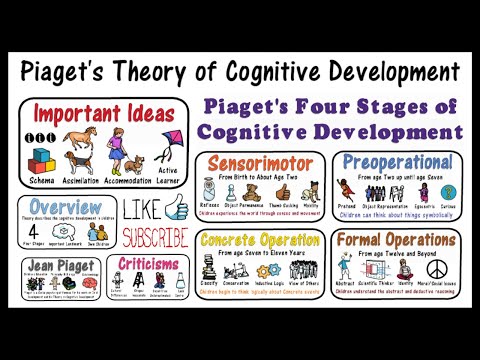
Piaget identified four main stages of cognitive development:
- Sensorimotor Stage (0-2 years): This is where babies learn through their senses and actions. They’re all about exploring their environment! Like, if you put a toy in front of a baby, they’ll reach for it, grab it, or even shake it.
- Preoperational Stage (2-7 years): Kids start using language and symbols to represent things. Think of how a toddler might think that a stick is a sword! Their reasoning can be pretty egocentric at this point too; they assume everyone shares their perspective.
- Concrete Operational Stage (7-11 years): Here, thinking becomes more logical but still tied to concrete things. For example, kids can solve math problems but usually need physical objects or images to help them understand.
- Formal Operational Stage (12 years and up): This is where abstract thinking kicks in. Teenagers can ponder hypothetical situations and think about possibilities beyond what they see right in front of them.
Each stage is like building blocks. You don’t just jump from one to another; you grow into them over time. So here’s something cool: understanding these stages helps parents and teachers tailor learning experiences suited specifically for kids’ developmental levels.
For example, in the **preoperational stage**, storytelling could be super effective because kids love imagining scenarios! You know how when you read them a fairy tale, they can become totally engrossed? That sort of imaginative play helps build their cognitive skills.
Now let’s discuss why this matters for learning and development:
- By knowing what stage a child is in, educators can create appropriate interventions or learning strategies that match their cognitive abilities.
- Mismatching expectations—like asking a preschooler to solve complex math problems—can lead to frustration for both the kid and the teacher.
- This understanding also guides parents on when to introduce certain concepts or skills based on their child’s readiness.
So basically, grasping these cognitive stages opens up better pathways for effective teaching and nurturing environments! It’s not just about pouring knowledge into young minds; it’s about recognizing where they are in their journey.
Imagine sitting with your child while they’re trying to figure out how many apples are left after eating one. This simple act gives insight into their current understanding of numbers and promotes deeper thinking without pushing too hard.
In conclusion—or rather just wrapping this thought up—it’s essential to tailor educational approaches based on where children are cognitively. This not only makes learning smoother but also boosts confidence as they master new skills at each level! That’s the magic behind Piaget’s ideas—tailoring experiences that resonate with each kid’s unique growth path.
Understanding Jean Piaget’s Theory of Cognitive Development: Download the Comprehensive PDF Guide
Jean Piaget was this Swiss psychologist who really shook things up with his theory on how we think and learn as we grow. He figured that our thinking develops in stages, which is pretty cool because it helps us understand how kids see the world. So let’s break it down a bit, shall we?
1. Sensorimotor Stage (0-2 years)
This is where everything starts. Babies explore their world using their senses and motor skills. They touch, taste, see, and hear. For example, when a baby shakes a rattle, they’re learning about cause and effect—like if I shake this noisy thing, it makes sound! By the end of this stage, they start to understand that objects exist even when they can’t see them anymore; it’s called object permanence.
2. Preoperational Stage (2-7 years)
Here’s where imagination takes off! Kids start using symbols to represent things. You’ll see them play pretend games or create stories. They’re super egocentric at this stage too; they often have trouble seeing things from someone else’s point of view. Say a child might think that if they can’t see you hiding behind a couch, then you can’t see them either!
3. Concrete Operational Stage (7-11 years)
During these years, kids become more logical about concrete objects but still struggle with abstract concepts. They can perform operations like addition or subtraction and understand the concept of conservation—like knowing that if you pour juice from a wide glass into a tall one, the amount doesn’t change even if it looks different.
4. Formal Operational Stage (12 years and up)
Finally! In this stage, teens begin to think more abstractly. They can solve hypothetical problems and think about future possibilities. If you asked them to consider what would happen if animals could talk—it wouldn’t be just daydreaming; they could actually analyze the implications of such ideas.
Piaget’s theory really changed how we look at children’s learning processes. It shows that cognitive development isn’t just about getting smarter—it’s about changing how we think at different ages.
Understanding these stages helps educators and parents tailor their approaches to learning according to where kids are developmentally. It makes sense: if we know what kind of thinking patterns kids are swinging at during each phase, we can support their growth in better ways.
So next time you’re around kids or even reflecting on your own childhood experiences, remember these stages! They’ve got some serious influence on how we form thoughts and knowledge throughout life.
Exploring the 4 Stages of Piaget’s Cognitive Development: A Comprehensive Guide
Alright, let’s chat about Piaget’s theory of cognitive development. It’s all about how we think and learn as we grow up. Piaget, a Swiss psychologist, came up with this cool framework that breaks it down into four stages. Each stage is like a step in a staircase; you gotta master one before moving to the next. So, let’s explore them.
1. Sensorimotor Stage (0-2 years)
In this stage, babies are soaking up the world through their senses and actions. Imagine a little one tasting everything, reaching for toys, or staring at colorful objects. They learn that their movements can cause things to happen—like dropping a spoon and hearing it clatter on the floor. It’s also when they start developing object permanence, the understanding that things still exist even if they can’t see them anymore. Think about how your toddler might look for their favorite toy even if you hide it under the couch.
2. Preoperational Stage (2-7 years)
This stage is all about imagination and language growth! Kids become little chatterboxes and love playing pretend games. They think symbolically but still struggle with logic and seeing things from others’ perspectives—this is called egocentrism. For instance, if you’re playing house with a 5-year-old and they insist everyone knows what they’re thinking because it’s obvious to them! They also might have trouble understanding why someone else would want to use a toy differently than they do.
3. Concrete Operational Stage (7-11 years)
Here comes logic! Kids start thinking more logically about concrete events but may still have some trouble with abstract ideas. They can sort objects by shape or color and understand basic math concepts like addition or subtraction—so cool! This is when they really grasp conservation, meaning they understand that changing something’s appearance doesn’t change its quantity; like pouring juice from a short glass to a tall one but knowing there’s still the same amount of juice inside.
4. Formal Operational Stage (12 years and up)
Finally, here comes the teen phase—cue the angst! In this stage, individuals develop abstract reasoning skills and can think hypothetically. You know those discussions where teens start questioning moral values or political ideas? That’s formal operations kicking in! They can solve puzzles not just by trial-and-error but also by thinking critically about potential solutions without needing physical objects to play around with.
Piaget’s four stages show us how our ability to think evolves over time—from simple sensory experiences to complex abstract reasoning. It really highlights how growth isn’t just about getting older; it’s about becoming capable of deeper thought processes as you navigate life!
So there you have it: an overview of Piaget’s cognitive development stages without diving too deep into academic jargon but giving you enough info to understand what it’s all about!
You know, when we think about how our brains develop, Piaget’s stages of cognitive growth always pop up. It’s like a roadmap that shows how kids think and learn as they grow up. I remember chatting with a friend who was baffled by her toddler’s obsession with asking “why” all the time. It reminded me of Piaget’s theory!
So, basically, he broke it down into four key stages: sensorimotor, preoperational, concrete operational, and formal operational. Each stage is like a new level in a game, right? You start at the sensorimotor stage when babies are just exploring the world through their senses. They don’t really understand anything yet but are super curious about everything around them—like how a crinkly paper makes noise or how they can make things disappear by covering them with a blanket.
Then comes the preoperational stage; that’s usually where toddlers show off their imaginations. They’re all about pretend play and see the world pretty much through their own eyes. You know how kids can believe that their stuffed animals have feelings? That’s classic preoperational thinking!
As they grow older, they hit the concrete operational stage around age 7 or so—here’s where things get really interesting! Kids start to grasp logical reasoning but still need to deal with tangible ideas instead of abstract ones. Like they can count and sort things but often struggle with hypothetical situations—so if you ask them to solve problems without physical objects in front of them, it might throw them off.
Finally, there’s the formal operational stage which typically kicks in during adolescence. This is where abstract thinking takes off! Think of it as unlocking the door to more complex problem-solving skills and theoretical concepts. Plus, teens start to ponder moral questions and push societal norms—it’s like they’re finding their voice in this big world.
These stages are fascinating because they give us insight into not just child development but also empathy towards what kids experience as they navigate through these phases. Like my friend eventually realized that her toddler wasn’t just being annoying; he was trying to make sense of everything around him! It’s like watching little scientists at work in their experiments called life.
So yeah, understanding Piaget’s theory helps us see why kids act and think the way they do at different ages. It’s all part of growing up—and honestly? It reminds me that learning is pretty much a lifelong journey for all of us!