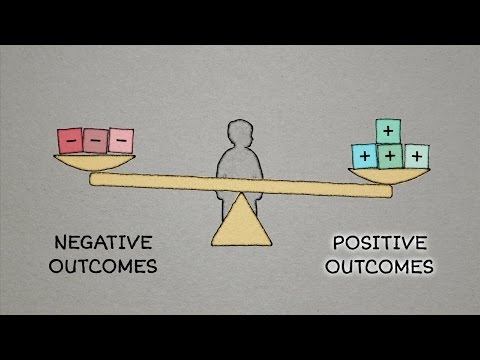
You know, life can throw some pretty wild curveballs your way. One minute you’re cruising along, and the next, bam! Everything feels like a mess. It’s like a rollercoaster, right?
But here’s the thing: resilience is that secret sauce that helps you bounce back. It’s not just for superheroes or the super lucky. Seriously, it’s something anyone can work on.
Think about the last time you faced a challenge. Maybe it was a tough breakup or losing a job. Did you feel crushed at first? Yeah, we all have those moments. Yet somehow, you found a way to keep going.
In this chat about resilience, we’ll explore how to toughen up your mindset. You’ll see how simple shifts in thinking can make a world of difference in how you handle life’s ups and downs.
So grab your favorite drink and let’s dig into this together!
Understanding the 5 C’s of Resilience: Key Elements for Personal and Professional Growth
Resilience is a big deal, you know? It’s all about bouncing back from tough times and adapting to life’s bumps. There are five key elements, often called the 5 C’s of resilience: **Courage**, **Commitment**, **Connection**, **Composure**, and **Confidence**. Let’s break these down a bit.
Courage is the first one. It’s not just about being brave in the face of danger, but more about facing challenges head-on. Think about that time you had to make a tough decision, like moving to a new city for a job or ending a relationship. You might have felt scared but you pushed through, right? That courage helps you tackle obstacles instead of running away from them.
Next up is Commitment. This one’s all about stick-to-itiveness. When you’re committed to your goals—whether personal or professional—you develop this drive that keeps you going despite setbacks. For example, if you’re training for a marathon and hit a rough patch with injuries, it takes commitment to keep showing up for those early morning runs. You make it through because you’re invested in the outcome.
Now let’s chat about Connection. Humans are social creatures; we thrive on relationships! Having supportive friends or colleagues can really enhance your resilience. Imagine you’re feeling down after getting rejected for a job; talking it out with your friend can help you see things from another angle and pick yourself up again. Those connections provide strength when things get tough.
Composure, the fourth element, refers to keeping your cool when life throws curveballs at you. You know how sometimes everything seems to go wrong at once? Staying composed means managing stress and emotions instead of letting them spiral out of control. Like when you’re juggling work deadlines while dealing with personal issues; finding calm amidst chaos is vital for bouncing back quickly.
Last but not least is Confidence. This one’s crucial! Believing in yourself and your abilities allows you to take risks and face challenges without hesitating too much. Think of it like riding a bike: if you’ve practiced enough, you’re more likely to take that leap off the curb rather than playing it safe on the sidewalk.
So here’s how these 5 C’s tie together: they form a solid foundation for resilience that can help in all areas of life—from handling stress at work to navigating personal relationships. If you embrace these elements, you’ll likely find yourself growing stronger with every challenge faced.
Basically, building resilience isn’t just some fluffy idea—it’s tied directly to how we can thrive in both our personal lives and careers! Embracing courage, staying committed, fostering connections, maintaining composure amid turmoil, and nurturing confidence creates this powerful toolkit that makes life’s ups and downs feel more manageable. And who wouldn’t want that?
Building Psychological Resilience: Effective Strategies and Techniques
Building psychological resilience is all about creating a mental buffer against life’s ups and downs. You know how sometimes life throws you a curveball? Maybe it’s job stress, relationship issues, or something else entirely? Well, being resilient helps you bounce back rather than getting stuck in those tough situations.
When we talk about resilience, it’s not just a magical trait some people have. It can be developed like a muscle, with practice and intention. Here are some effective strategies and techniques to help you build that muscle, so to speak.
- Emotional Awareness: Recognizing your feelings is crucial. When something bothers you, put a name to it. Is it anger? Sadness? Sometimes just naming that feeling can reduce its power over you.
- Maintain Perspective: It’s easy to blow things out of proportion when you’re stressed. Try looking at the bigger picture and ask yourself: «Will this matter in a year?» This can help you keep your cool.
- Build Strong Relationships: Your friends and family can be your biggest supporters! Sharing your thoughts and feelings with them not only eases your burden but strengthens those bonds.
- Cultivate Optimism: You can train your brain to focus on the positive aspects of situations. When faced with adversity, challenge negative thoughts by finding one little silver lining.
- Develop Problem-Solving Skills: Instead of feeling overwhelmed by problems, break them down into smaller pieces. Tackle one thing at a time—it’s like eating an elephant; bite-sized pieces make it easier!
- Practice Self-Care: Never underestimate the power of taking care of yourself! Exercise, eat well, sleep enough—these aren’t just clichés; they genuinely bolster resilience.
- Acknowledge Achievements: Celebrate even the smallest wins! Reflecting on what you’ve accomplished builds confidence and reminds you that you’ve handled challenges before.
- Create Goals: Set attainable goals for yourself. Working towards something gives you purpose and keeps your mind focused on growth rather than setbacks.
Let me tell you a little story: My friend Sam went through a rough patch after losing his job. It felt like the ground had disappeared beneath him! At first, he was devastated—who wouldn’t be? But then he started practicing some of these techniques. He reached out to friends for support and made sure he kept things in perspective by saying: «I’m not defined by this job.» Slowly but surely, he found new opportunities that excited him more than his last gig ever could.
So yeah, building resilience isn’t an overnight thing; it’s more like tending a garden every day. Little by little, you’re nurturing your mental strength until it blooms beautifully—even in tough weather conditions! Remember: it’s totally normal to feel down sometimes. What matters most is how we pick ourselves back up again.
Developing a Resilient Mindset: Strategies for Overcoming Challenges and Thriving
So, let’s chat about developing a resilient mindset. You know, resilience isn’t just some fancy term; it’s really about bouncing back from challenges and keeping your cool when life throws you curveballs. Think of it like being that rubber band that snaps back into shape no matter how much you stretch it.
One of the first things to understand is that resilience isn’t just an innate trait. It’s something you can develop over time! Seriously! It’s like building muscle in the gym. The more you practice, the stronger you get. Here are some strategies that might help you thrive, even when times get tough:
- Embrace Change: Life is unpredictable, right? Instead of resisting change, try to see it as an opportunity to learn and grow. Like when a sudden job transfer leads you to discover new skills or interests.
- Set Realistic Goals: Break down your big dreams into smaller, achievable goals. It’s like eating a pizza slice by slice instead of trying to shove the whole thing in your mouth at once. This way, each small success builds your confidence.
- Maintain a Positive Outlook: This doesn’t mean ignoring problems; it just means focusing on what you can control and staying hopeful. Remember that time when everything seemed terrible but somehow turned out okay? Holding onto that feeling helps!
- Cultivate a Support Network: Surround yourself with people who lift you up! Friends and family provide emotional support and different perspectives during tough times—kind of like having a safety net.
- Practice Self-Care: Taking care of yourself is crucial! Whether it’s exercise, hobbies, or just chilling with Netflix—give yourself time to recharge so you’re better equipped to deal with stressors.
- Learn Problem-Solving Skills: When faced with difficulties, try brainstorming solutions instead of panicking. Think of it like working through a puzzle: take one piece at a time until things start making sense again.
Anecdote alert! I have this friend who went through a tough separation. At first, she was completely down in the dumps; everything felt overwhelming. But she started focusing on those little strategies—like jotting down her goals and surrounding herself with supportive pals who helped her rediscover her passions. A few months later? She was thriving! It was super inspiring to watch her transform from feeling lost to embracing new opportunities!
The key here is persistence. You might face setbacks along the way—that’s totally normal! But remember: every setback can also be a setup for a comeback if you let it be so.
Your mindset plays such an important role in how resilient you’ll be during hard times. By practicing these strategies regularly, you’re not only preparing for challenges but also creating a healthier mindset overall!
So yeah, resilience is something we can all work on together! And who knows? With each challenge overcome, you’ll find you’re more capable than ever before!
Resilience, huh? It’s one of those buzzwords that you hear thrown around a lot, especially in the context of psychology. But what does it really mean? Basically, resilience is like that inner strength you tap into when life throws curveballs your way. Think of it as your mental rubber band—stretching and bending, but not breaking.
I remember a time in college when I bombed a major exam. Honestly, I felt like the sky was falling. I mean, come on—it was just one test! But in that moment, all I could think about was how much I’d disappointed everyone. But then something clicked. Instead of sulking for weeks or giving up entirely, I decided to use it as a learning moment. I reached out to my professor for help and started organizing study groups with friends. That whole experience taught me how to bounce back and not let just one setback define me.
So cultivating resilience isn’t just about toughing it out; it’s more about adapting and learning from challenges. You start to see obstacles as opportunities. When you face setbacks—like losing a job or dealing with personal loss—the goal isn’t to avoid pain but rather to navigate through it and come out stronger on the other side.
In psychology, building resilience often involves a few key things: fostering strong relationships, maintaining a positive outlook (even when it’s tough), and practicing self-care. You’ve gotta stay connected with friends and family who can lift you up during hard times; they’re like your support crew when everything feels heavy.
And let’s be real—it’s not always easy! Some days feel heavier than others; that’s okay too! The important thing is knowing it’s all part of the journey. Practicing gratitude or mindfulness can seriously change your perspective over time; it helps you focus on what you have rather than getting lost in worries or regrets.
The next time life challenges you—and trust me, it will—remember that resilience is something you can build over time like muscle at the gym. It takes work and patience but holds some serious rewards for your mental health along the way!