Okay, picture this: you’re sitting with a friend over coffee, chatting about life. You’re both feeling stuck, like there’s a big mountain in front of you.
Now, imagine if you had a tool that could help you not just climb that mountain but enjoy the view from the top, too. Sounds kind of amazing, right?
That’s where positive psychology comes into play. It’s all about focusing on what works and building strengths instead of just fixing problems.
Think about it! Instead of stressing over your weaknesses, how cool would it be to highlight what makes you shine? That’s empowering change—you get to steer your own ship!
So let’s explore how this vibe can totally amp up your growth journey. You ready?
Unlocking Potential: Essential Positive Psychology Coaching Tools for Personal Growth
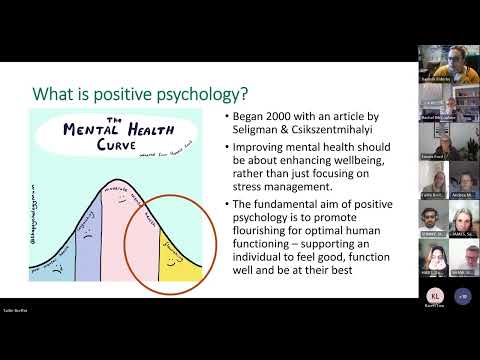
Positive psychology is all about focusing on what makes life worth living. It digs into strengths, well-being, and personal growth. You know, it’s like looking at the bright side and saying, “Hey, I can do this!” Instead of just fixing what’s wrong, positive psychology helps you build on what’s already good in your life.
When it comes to coaching, there are some essential tools and approaches that can really help unlock potential. Let’s break a few of them down.
Strengths Identification
One key aspect is recognizing strengths. This isn’t just about knowing that you’re good at something; it’s about digging deeper. What are those unique qualities that set you apart? Maybe it’s creativity or empathy. When you focus on these traits, you can leverage them for personal growth.
Gratitude Practice
Practicing gratitude can also be a game-changer. Think about it: regularly reflecting on what you’re thankful for shifts your mindset. It could be as simple as jotting down three things every day. Over time, this little practice helps create a more positive outlook on life.
Mindfulness
Mindfulness is another key tool! Being present allows you to experience life fully without getting stuck in worries or regrets. Try taking a few minutes each day to breathe deeply and pay attention to your sensations or thoughts without judgment.
Goal Setting
Setting achievable goals is huge too. It’s like having a roadmap for where you want to go in life! The SMART goal framework—Specific, Measurable, Achievable, Relevant, Time-bound—can really help make those goals clear and attainable instead of vague wishes floating around in your head.
Positive Relationships
And let’s not forget about relationships! Building strong connections with others boosts happiness and resilience. Engage with people who uplift you instead of dragging you down—to put it simply: surround yourself with positivity!
Resilience Training
Resilience is essential when facing challenges. Learning how to bounce back from setbacks—it’s like emotional muscle training! Small failures can actually be stepping stones if we frame them correctly.
Now picture this: Emma was always stressed out about her job performance but never recognized her knack for teamwork until she worked with a coach who helped her see it clearly. By focusing on her strengths and applying some of these tools—like setting small goals and practicing gratitude—she went from feeling overwhelmed to being excited about her work again!
So yeah, positive psychology offers a treasure trove of tools that empower change through coaching! Embracing these techniques can help anyone unlock their potential while fostering personal growth in ways they might never have imagined before.
Unlocking Potential: The Positive Psychology Coaching Model for Personal Growth and Well-Being
It’s super interesting to think about how positive psychology can really impact personal growth and well-being. So, let’s break this down!
Positive psychology is all about focusing on what makes life worth living. Instead of just fixing problems, it’s like putting the spotlight on your strengths, talents, and what brings you joy. You know how sometimes we get stuck in negative thoughts? This model flips that around and encourages you to harness positive emotions for growth.
One major aspect of this approach is setting meaningful goals. It’s not just about any goals; it’s about the ones that resonate with who you are. Think of times when you’ve felt really pumped doing something you love. That energy can be a huge catalyst for change.
Another point to consider is resilience. In life, we face setbacks—it’s like the universe’s way of testing us! Positive psychology helps you bounce back stronger by building resilience. For instance, if you fail at something important to you, instead of seeing it as a dead end, this perspective allows you to view it as a learning opportunity—like a stepping stone rather than a stumbling block.
Then there’s the idea of mindfulness. Being in the moment has some serious power! When you’re fully present, you can appreciate small joys that often get overlooked. It might be sipping your favorite coffee or enjoying a walk in the park. Those little things add up and really boost your overall happiness.
Some may also explore strengths identification. This means taking time to understand what you’re naturally good at! When people recognize their strengths—maybe they’re great listeners or problem solvers—they can leverage these skills in coaching or life situations to drive their personal growth forward.
And let’s not forget about community and relationships! Having supportive connections enriches your life experience tremendously. Sharing goals with friends or family can create accountability and encouragement along your journey.
At times, though, it does involve some heavy lifting mentally. You might need to confront limiting beliefs that hold you back. For example, if you’ve always thought “I’m just not good at public speaking,” challenging that thought through positive practice can open doors for new opportunities!
Ultimately, think of this model as an empowering toolset for change. You’re filling your toolbox with positivity rather than negativity—kind of like choosing vibrant colors instead of dull ones when painting your life’s canvas.
In a nutshell:
- Focus on strengths: Shifting attention from weaknesses enhances growth.
- Set meaningful goals: Goals should resonate with who you are at core.
- Cultivate resilience: View setbacks as learning experiences.
- Embrace mindfulness: Appreciate small joys regularly.
- Identify community support: Relationships enhance well-being.
So yeah! Positive psychology coaching isn’t just fluff; it’s really about unlocking potential through understanding yourself better and making conscious efforts towards growth and fulfillment. Just remember: it’s all part of the journey!
Unlocking Potential: Effective Narrative Coaching Questions for Personal Growth
It’s pretty interesting how the way we tell our own stories can really influence who we are and what we can become. You know, when it comes to personal growth, asking the right questions can totally unlock doors you didn’t even know were there. Narrative coaching is all about using your life story as a tool for change, and effective questions can guide you on that journey.
So, what do these questions look like? Well, they often start with open-ended prompts that help you reflect on your experiences. Here are some examples:
- What moments in your life have shaped who you are today? This helps you dig deep into your past and recognize pivotal experiences.
- If you could rewrite a part of your story, what would it be? This encourages creative thinking about changes you wish to make.
- What strengths do you see in yourself when looking back at challenges? Reflecting on resilience can boost confidence.
- If someone were writing a book about your life, what would the title be? This allows for playful reflection while summarizing key themes.
The key here is reflection. When you’re prompted to think about these things, it helps you step back and see patterns in your life. For instance, let’s say you’ve faced multiple job rejections. Reflecting on that could reveal a pattern of self-doubt or maybe a recurring fear of failure. It’s not always pretty, but recognizing these things lets you take charge of how you want to change.
Now imagine you’re at a crossroads in your career—feeling stuck and unsure. You ask yourself some narrative coaching questions like,«What do I really want out of my career?», or «What achievements am I proud of?». Just by digging into those feelings and achievements, you’re giving yourself permission to envision your future differently.
It’s not just about the questions; it’s also about the conversations around them. Sharing with someone—a friend or coach—can create a safe space where these stories come alive. Engaging with others fosters connection and understanding, which is crucial for personal growth.
And remember: this isn’t magic. It’s about being honest with yourself while being gentle during the process. Sometimes facing parts of our stories feels tough but consider this: every story has its ups and downs. Recognizing both sides can lead to authentic change.
To wrap this up, narrative coaching harnesses the power of storytelling through effective questioning. It gives you tools to reflect on your past while paving the way for future growth. Every question is an invitation to explore who you’ve been and who you’re becoming—with all those bumps along the way! So go ahead—start asking those tough but rewarding questions!
You know, it’s kind of amazing how focusing on what’s good in life can really spark some serious change in people. Positive psychology is all about that bright side, like finding ways to boost well-being and happiness. It’s not just about avoiding negative stuff; it’s about digging into what makes you feel alive and fulfilled.
I remember a friend of mine who was stuck in a bit of a rut. She had this job that drained her and really negative thoughts swirling around her head all the time. Then, she stumbled upon positive psychology concepts through some coaching sessions. At first, she was skeptical—like, “How can thinking happy thoughts actually help?” But slowly, she started practicing gratitude exercises and focusing on her strengths instead of just her weaknesses. It was wild to see how just a shift in perspective began to transform her mindset.
In coaching, this approach is super powerful because it emphasizes growth rather than just problem-solving. Instead of saying “how can I fix this?”, you start asking “what can I learn from this?” or “what makes me thrive?”. This change in questions? It’s huge! It helps you reframe experiences and find meaning even in tough situations.
The thing is, empowering change isn’t just about individual transformations; it flows into relationships too. When someone embraces this positive psychology vibe, it often inspires those around them to do the same. You might notice it at work or even among friends—people start sharing more uplifting stories or celebrating small wins with each other.
So yeah, positive psychology in coaching isn’t just a fad or something fluffy; it’s like a real-life tool that helps people tap into their inner resources and flourish. It shows us that while life can be messy—and let’s be honest, sometimes downright unfair—focusing on strengths and possibilities can create real empowerment and change that ripples outwards!