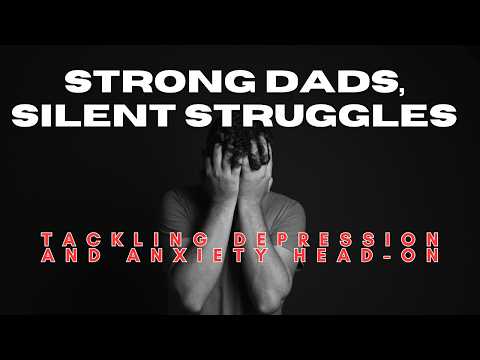
You know, becoming a dad can feel like jumping into a whirlwind. One moment you’re celebrating, and the next, you’re navigating sleepless nights and unexpected emotions.
It’s wild how a tiny human can flip your life upside down, right? But here’s the thing: while everyone’s busy talking about the joys of fatherhood, there’s this quiet side that often gets ignored—men’s mental health.
A lot of dads are wrestling with feelings they didn’t see coming. So many guys feel like they have to keep it all together, even when things get tough. Seriously, it can be overwhelming.
Let’s chat about these silent struggles. There’s no shame in feeling lost or unsure after bringing home that bundle of joy. You’re not alone in this journey!
Exploring Mental Health Challenges Faced by Fathers After Childbirth
It’s a wild ride when a new baby comes into the picture, right? But guess what? While everyone talks about the challenges mothers face, the struggles that fathers go through often don’t get enough attention. Men’s mental health after fatherhood is a topic that deserves some serious spotlight.
Let’s start with what happens when a baby arrives. There’s this huge shift in lifestyle. Suddenly, late-night parties are replaced with diaper changes and feeding schedules. It can feel overwhelming! The excitement is there, but also anxiety creeps in. Many dads experience feeling lost or unsure about their new role. It’s common to think: “Am I doing this right?”
Feelings of isolation are often part of the package too. Fathers might see their partners bonding with the baby and feel left out in that intimate connection. This can lead to feelings of sadness or even depression. Imagine being at home while your partner seems to have this special bond with your newborn—and you’re on the sidelines, just trying to figure things out.
Another thing that pops up is pressure to be strong. Society often paints fathers as these stoic figures who should just ‘man up.’ This stereotype can make guys feel like they need to hide their feelings. If they’re struggling with emotions like sadness or fear, they might think saying anything makes them less of a man. So, they bottle it up instead of talking it out.
Then there’s sleep deprivation! New dads often find themselves waking up multiple times during the night too—if you think it’s tough for moms, it hits dads hard as well! Lack of sleep can seriously mess with your mood and energy levels.
Let’s talk about relationship dynamics. When a baby enters the mix, couples go through adjustments that can challenge even strong relationships. Extra stress at home might lead to arguments over chores or parenting styles. Dads could end up feeling more stressed because they want to support their partner while also adjusting themselves.
So what does this mean for mental health? Well, keeping these feelings inside can lead to anxiety and depression if left unaddressed. Here are some key points:
- Feeling inadequate: Many fathers worry about whether they’re good enough for their child.
- Lack of emotional support: They may not reach out for help due to stigma around men’s mental health.
- Impact on relationships: Struggles can cause rifts between partners if not communicated properly.
- The importance of sharing: Talking openly about feelings can reduce isolation and ease some burdens.
Seeing all this might make it seem bleak, but here’s where it gets hopeful! More men are starting to recognize these issues and share their experiences. When fathers connect—whether through parenting groups or friends—it helps build a support network where everyone feels less alone.
Opening up allows guys to bond over shared experiences rather than suffer silently with them. By breaking down those barriers around emotional expression, we can help create stronger partnerships and healthier family dynamics.
In summary, fatherhood brings its own set of challenges that deserve recognition—and treatment—just like any other aspect of mental health does. It’s crucial for dads everywhere to know it’s okay not to be okay sometimes; reaching out for help is a sign of strength!
Exploring the Long-Term Effects of Father Absence on Child Development and Well-Being
Father absence can be a heavy topic, and for many kids, it really impacts their growth and well-being. When a dad is not around, it doesn’t just affect the day-to-day stuff; it also leaves some long-term marks. Let’s break down what this can look like.
Emotional Development
Kids who grow up without a father often experience heightened feelings of sadness or anxiety. They might struggle to develop trust with others since they didn’t have that secure bond during crucial early years. Imagine feeling like you have to fend for yourself emotionally from a young age; that’s tough!
Behavioral Issues
There’s a noticeable increase in behavioral challenges too. Kids can act out more, showing signs of aggression or defiance, which can stem from a lack of guidance and support. For example, without a father’s influence, some boys might mimic aggressive behaviors they see in media or among peers to seek attention.
Cognitive Development
Research suggests that father absence may lead to lower academic achievements. Kids might not have someone cheering them on during their homework sessions or school events, which can affect motivation. It’s not just about having someone to help with studies but also about the encouragement that keeps them pushing through challenges.
Social Skills
Social relationships also take a hit. Children without fathers often struggle to form stable friendships because they might replicate their home experiences in how they relate to others. If they’ve seen instability at home, they might project that into their friendships.
Long-Term Mental Health
As these kids grow into adults, the patterns established during childhood often continue. There may be higher risks for issues such as depression and anxiety later in life — all stemming from that early absence. They’re left trying to navigate life sometimes feeling like something is missing.
This isn’t just an isolated issue; it affects entire communities too! Think about how many kids are shaped by their fathers’ involvement (or lack thereof). Communities with fewer engaged fathers often face higher crime rates and lower educational outcomes overall.
In all this complexity, though, we can’t overlook resilience! Some children adapt remarkably well despite the absence of a father figure. It’s wild how human beings can find strength in tough situations! Having other supportive figures—like grandparents or mentors—can help offset some negative effects.
So yeah, while the impact of father absence is significant and multi-faceted, it’s also essential to look at each child’s story individually because experiences vary widely. You know what I mean? It ends up being less about just filling gaps and more about forming connections wherever possible!
Understanding Fatherhood Depression: Causes, Effects, and Support Strategies
Fatherhood is often painted as this joyful, magical journey, right? But here’s the deal: it can also bring some heavy emotions. You might not realize it, but men can experience something called **fatherhood depression**. It’s real and it’s more common than you’d think.
So, first off, what is fatherhood depression? Well, it’s when new dads feel overwhelmed with feelings of sadness, anxiety, or inadequacy after their little one arrives. This isn’t about feeling blue for a day or two; we’re talking about persistent feelings that can affect their daily life.
Causes of fatherhood depression are pretty varied. Here are a few key ones:
- Sleep deprivation: That baby doesn’t care about your sleep schedule! Interrupted nights can make anyone feel foggy and cranky.
- Role changes: Suddenly you’re not just a partner; you’re now a dad too. That shift can feel huge and intimidating.
- Financial stress: With a new baby comes new expenses—diapers, formula, baby gear. It can weigh heavily on your mind.
- Lack of support: Sometimes dads feel isolated during this phase because society often focuses on moms. This can lead to loneliness.
Now let’s talk about the effects. Fatherhood depression doesn’t just impact feelings; it can have real consequences:
- Relationship strain: If you’re feeling down, that stress could spill over into your relationship with your partner. Communication starts to suffer.
- Parenting challenges: It might be tough to connect with your child if you’re in a dark place emotionally.
- Mental health risks: Unaddressed depression could lead to more serious mental health issues down the line.
So what’s the way forward? Finding support strategies is key to tackling this issue head-on:
- Talk about it: Seriously! Open up to friends or family members who get it. Sharing your feelings helps lift the weight off your shoulders.
- Counseling or support groups: Professional help can be invaluable. Joining a group where other dads share their experiences may help you feel less alone.
- Create time for yourself: Whether it’s hitting the gym or catching up on a show—you need “you” time to recharge!
- Communicate with your partner: Talking openly about how you’re feeling promotes understanding and strengthens bonds.
Think about James, for instance—a friend of mine who became a dad last year. He was ecstatic at first but quickly felt like he was sinking under pressure—with work piling up and sleepless nights adding to his stress. Instead of keeping quiet about his struggles, he opened up to his wife and reached out for help from other dads in his neighborhood. The change was remarkable! They formed a little dad group that met every week—and honestly? Just hanging out with guys going through similar trials made all the difference.
Finally, remember that seeking help doesn’t make someone weak; if anything, it shows strength to confront what you’re experiencing! Dads should know they aren’t alone in this journey and there are ways forward together—so let’s keep those conversations alive!
So, you know how when a baby arrives, everyone’s all excited and smiling? It’s like a whirlwind of joy and love. But what people often don’t talk about are the silent struggles that new dads face. Seriously, it’s like, while everyone is cooing over the cute little thing, dad might be sitting there feeling… well, overwhelmed.
I remember a friend of mine who became a dad last year. Initially, he seemed so pumped—like he was ready to take on the world! But then reality hit. He told me one night over a cup of coffee that he felt this pressure to be the perfect father. He wanted to provide and support his family emotionally and financially, but he was also grappling with feelings of inadequacy and anxiety. It’s surprising how many men go through this but don’t actually talk about it.
Fatherhood comes with this unspoken expectation of strength, you know? Society often paints this picture where dads should be tough and stoic. They’re not supposed to admit they’re struggling. Maybe it’s because fear of judgment creeps in—like if they show vulnerability, they’ll be seen as weak or unfit as fathers. So instead of reaching out for help or simply sharing what they’re feeling, many just bottle it up inside.
There’s definitely something powerful about opening up conversations around mental health for men after they become parents. That transition can shake up everything—their identity shifts from being “just them” to “dad.” And that has its own set of challenges: sleepless nights, juggling work-life balance (if that’s even possible!), and finding time for themselves can pile on stress.
And here’s something important: wanting to feel good about parenthood doesn’t mean they don’t love their kids or want to be great dads; it’s just that the weight sometimes feels so heavy. They might even feel guilty for having those thoughts! This cycle can spiral into isolation—where they think nobody gets it—when in fact many other dads are likely feeling exactly the same way!
I think it would help if we could create more spaces where men feel comfortable discussing their feelings after entering fatherhood. Whether it’s casual chats over beers or group sessions where sharing stories is encouraged—it could make a world of difference.
In short, let’s remember that behind every happy photo of a dad holding his baby may lie stories we’ll never hear unless someone decides to speak up about them. Breaking down those walls is key! The next time you see a new dad looking a bit lost in thought or tired beyond belief, maybe give them an opening to share what’s on their mind—because sometimes just knowing someone cares can turn things around.