You know those days when everything feels heavier? Like, you just can’t shake off that cloud hovering over you? Yeah, that can be real.
The thing is, a lot of us experience this rollercoaster ride every month. You might have noticed that your mood swings a bit with your cycle—maybe even dips into something darker.
So, what’s going on there? That’s where understanding Premenstrual Syndrome (PMS) and its sneaky connection to depression comes in. It’s not just “hormones,” even though that’s what people often say. There’s more to the story.
Let me tell you—this stuff can impact your life in ways you probably don’t even realize. It can affect how we feel, how we act, and even how we connect with others. So, grab a seat; let’s chat about it!
Exploring the Link Between Premenstrual Syndrome and Depression: Key Insights and Research Findings
Understanding the link between premenstrual syndrome (PMS) and depression is pretty important, especially for those who experience both. It’s not just about mood swings; there’s a lot going on that can really affect how you feel mentally and emotionally.
PMS is more than physical symptoms. While it often gets brushed off as just cramps and bloating, PMS can also cause serious emotional changes. These can include irritability, anxiety, and yes, even depression. If you think about it, it makes sense—our hormones naturally fluctuate throughout the menstrual cycle, which can totally mess with our mood and mental health.
Research shows that the hormonal changes in the luteal phase of the menstrual cycle (that’s after ovulation and before your period) might be linked to increased levels of certain neurotransmitters in your brain, like serotonin. This neurotransmitter plays a huge role in regulating mood. When those levels dip due to hormonal fluctuations, it can lead to feelings of sadness or despair.
Here’s a closer look at what research is saying:
- Hormonal Links: Studies have found that women with PMS are more likely to experience symptoms of depression. Basically, if you’re prone to mood changes during your cycle, there’s a chance this could take you down a darker path.
- Biopsychosocial Factors: Your background matters too! Stressful life events or existing mental health issues can worsen PMS symptoms and lead to more severe depression.
- Chronic Conditions: For some women, conditions like endometriosis or polycystic ovary syndrome (PCOS) make PMS symptoms feel even worse. Those coupled with depressive symptoms create a really tough situation.
It’s not unusual for someone dealing with both PMS and depression to feel wiped out. You know that feeling when everything seems overwhelming? That’s a real struggle for many people during this time.
Treatment routes vary. If someone experiences severe emotional symptoms tied to their menstrual cycle, doctors might suggest various treatments—everything from lifestyle changes like diet and exercise to medication options such as antidepressants or hormonal therapy. It all depends on what works best for you personally.
A little anecdote here: I had a friend who always seemed fine until she started her period. Suddenly she’d be super irritable and sad—it was almost like Dr. Jekyll turning into Mr. Hyde! After some exploration with her doctor, they found out her hormones were heavily influencing her emotions during that time of the month.
So yeah, while many people know about the physical side effects of PMS (like breakouts or cramps), it’s equally vital to pay attention to emotional health too! Always remember that mental health is just as important as physical health—if you notice strong feelings creeping up around your menstrual cycle, don’t hesitate to reach out for support!
The connection between PMS and depression isn’t straightforward but understanding it can help all of us navigate these experiences better!
Effective Strategies for Managing and Overcoming Premenstrual Depression
Dealing with premenstrual depression can be a real challenge. It’s like your emotions take over for a week or two, making everything feel heavier, you know? Many people experience it differently, but there are some effective strategies that can help ease those rough patches.
Understanding the Cycle is crucial. Each month, hormonal changes occur in your body. These fluctuations in hormones like estrogen and progesterone can affect your brain’s chemistry and mood. Recognizing when these changes happen might help you prepare for any emotional turbulence ahead.
- Journaling is a good way to track your feelings and identify patterns. Writing down your thoughts may provide insights into what triggers certain moods.
- Finding healthy coping mechanisms is essential. Instead of reaching for junk food or getting lost in Netflix binges, consider going for a walk or practicing yoga. Getting physical can have a positive impact on your mood.
- Nutritional Choices matter too! Eating a balanced diet rich in whole foods can make a difference. Some studies suggest that including omega-3 fatty acids—found in fish—might help stabilize mood swings.
- Meditation or mindfulness practices can be beneficial as well. These techniques help center you and bring awareness to the present moment, reducing anxiety and stress levels.
- And let’s not forget about sufficient sleep. It’s so easy to skimp on sleep when you’re feeling off, but getting enough rest each night helps regulate emotions significantly.
You might find it helpful to talk about what you’re experiencing with someone you trust—a friend or family member who gets it can provide support and understanding, which feels really good during those times.
If things get overwhelming, consider reaching out for some professional guidance to discuss strategies tailored specifically for you. It doesn’t have to be an intense commitment; just having someone listen could make all the difference.
The thing is, understanding that premenstrual depression is not just «in your head» but tied to biological processes helps normalize what you’re feeling. You’re not alone in this! Many experience similar struggles at different times of their lives. Just remember: there are ways through the fog!
The key is being proactive about managing those feelings before they hit hard each month. Little steps can lead to bigger changes over time, making the cycle feel less daunting.
Understanding PMDD: Legal Rights and Resources for Affected Individuals
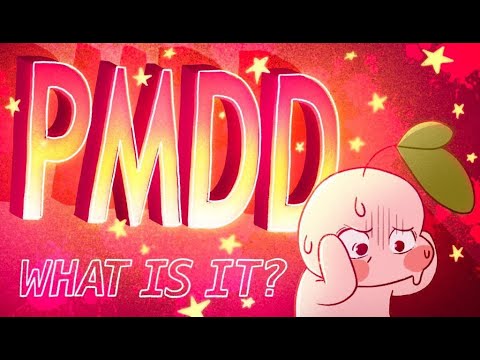
Premenstrual Dysphoric Disorder, or PMDD, is like the more intense sibling of PMS. It’s not just about feeling a bit cranky before your period; it can bring serious mood swings, anxiety, and even depression. It can be tough to deal with day-to-day life when you’re battling something that feels so overwhelming.
If you or someone you know is affected by PMDD, it’s really important to know that you’re not alone—and there are legal rights and resources out there for you. Let’s break this down.
First off, it’s crucial to understand your rights in the workplace. Depending on your location, PMDD could be classified under disabilities like other mental health conditions. This means you might be entitled to accommodations. For instance, if you’re having a particularly rough time during certain parts of your cycle, asking for flexible work hours or the ability to work from home could be on the table.
Imagine you’re struggling with severe mood swings that make it hard to focus—talking to your employer about your situation might seem daunting but advocating for yourself is key. You could say something like, “I experience severe emotional disturbances during my menstrual cycle, and I’d like to discuss some options that can help me manage my workload during those times.” Just remember to document everything!
Here are some important legal points you might want to consider:
- ADA Protection: If you’re in the U.S., the Americans with Disabilities Act (ADA) protects individuals with disabilities from discrimination in various areas of life including work.
- The Family Medical Leave Act (FMLA): This allows eligible employees to take unpaid leave for serious health conditions—PMDD can potentially fall under this umbrella.
- State Laws: Some states have specific laws regarding mental health that offer additional protections or resources.
Next up are resources—so what’s out there? There are support groups both online and in-person where people share their experiences and coping strategies. Sometimes just talking about what you’re going through can bring relief!
Also look into local healthcare providers who specialize in women’s health or mental health. They might have programs specifically designed for folks dealing with PMDD.
It’s also worth mentioning that many universities offer free counseling services if you’re a student. Not only can these professionals help guide you on how to manage symptoms but they can also assist with navigating any legal rights concerning academics.
Understanding PMDD isn’t just about recognizing symptoms; it’s about knowing you’re entitled to support and understanding from those around you. So don’t hesitate! Reach out—for yourself now and for others who may be dealing with similar struggles too.
Knowledge is power; inform yourself about both your rights and available resources so you can advocate for what you need!
You know, it’s kinda wild how our bodies can mess with our minds, right? Like, take Premenstrual Syndrome (PMS). For so many folks, those days leading up to their period can feel like they’re caught in a storm of emotions. Everything gets amplified. It’s like someone’s turned up the volume on your feelings. You might be fine one moment, and the next you’re crying over a sad commercial or snapping at someone for no good reason.
So what’s going on here? Well, hormones are playing a significant role. They fluctuate quite a bit during your menstrual cycle. When estrogen and progesterone dip before your period, that shift can mess with neurotransmitters in your brain—those little chemical messengers that affect mood. And then there’s serotonin, the «feel-good» hormone. It tends to drop too! It’s no wonder so many people feel down during this time.
Let me tell you about my friend Sarah. She always had an upbeat vibe until the week before her period hit. Suddenly she was irritable and anxious about everything—even little things felt overwhelming for her. She couldn’t figure out why this was happening repeatedly every month until she finally chatted with her doctor about it and learned about PMS and its link to mood swings and depression.
It got her thinking: maybe it wasn’t just “her being dramatic,” but rather a real psychological response to hormonal changes. Understanding this allowed her to navigate those tough days better—and honestly, I think sometimes just knowing it’s not all in your head can be such a relief!
But here’s where it gets even trickier: when PMS lingers or intensifies into something deeper like premenstrual dysphoric disorder (PMDD), that’s when folks can really struggle. PMDD is like PMS times ten—it’s depression that’s more severe and super disruptive. Symptoms include extreme mood swings, despair, anger…the list goes on! And because some might chalk it all up as just “woman stuff,” individuals may not seek help as they should.
That’s why talking openly about these issues is crucial—you know? It normalizes what so many people go through every month and encourages them to seek support if they need it.
So yeah, if you find yourself feeling low or anxious around that time of the month—or if you know someone who does—it might be worth exploring whether it’s related to PMS or even something more serious like PMDD. Just being aware of these connections can make navigating those emotional waves a little easier!