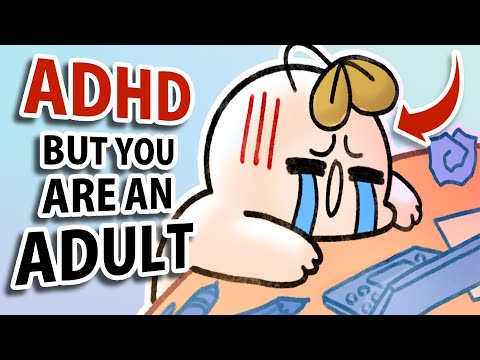
Procrastination is such a sneaky little gremlin, right? You sit down to tackle that project, but suddenly you’re scrolling through memes or reorganizing your sock drawer.
Then there’s ADHD, which can really mess with your brain’s wiring. You might feel like you’re constantly in a tug-of-war between wanting to get stuff done and just… not doing it.
You’re definitely not alone in this struggle. Many folks with ADHD face that same frustrating cycle of delaying tasks.
So, what’s the deal? Why does procrastination hit harder for someone with ADHD? Let’s dig into this together and unwrap the messy connection between the two!
5 Essential Habits for Enhancing Focus and Productivity in ADHD Brains
Enhancing focus and productivity when you have ADHD can be a real challenge. That’s just a fact. You might find it hard to stick to tasks, feel overwhelmed by distractions, or even get lost in your thoughts. But don’t worry! There are some habits that can make a big difference. Let’s dig into them.
- Establish a Routine: Routines help create structure. Start your day at the same time every morning and set specific times for meals and work. This consistency signals your brain when it’s time to focus.
- Break Tasks Down: Large tasks can feel like climbing a mountain—super daunting! Instead, break them down into smaller, more manageable chunks. For example, if you’re writing an essay, start with just one paragraph at a time. Celebrate those small wins!
- Create a Distraction-Free Environment: This one’s huge! Limit distractions by keeping your workspace tidy and free from noise. Maybe use noise-canceling headphones or play some calming background music to help you get in the zone.
- Use Visual Cues: Sticky notes or visual reminders can work wonders! Put them where you can see them easily—like on your computer or fridge—to remind yourself of tasks or goals.
- Implement Short Breaks: Working for long periods without breaks isn’t great for anyone, but it’s especially tough for ADHD brains. Try the Pomodoro Technique: work for 25 minutes, then take a 5-minute break. It helps refresh your mind and keeps you energized!
Let me share an example with you: I knew someone who really struggled with their college assignments due to ADHD. They would often procrastinate because overwhelming tasks felt impossible to tackle all at once. By developing a routine that included short periods of studying followed by breaks, they found that they could focus better. Plus, breaking their assignments down made everything seem way less scary.
These habits are not one-size-fits-all; it’s like finding the right pair of shoes—what works for one person might not fit another perfectly. But experimenting with these strategies could lead you toward better focus and productivity over time!
So give some of these ideas a shot; you never know what might click!
Understanding ADHD Procrastination Paralysis: Strategies for Overcoming Challenges
Procrastination paralysis is a struggle many people with ADHD deal with, and it can be frustrating. You know how sometimes you have a million things on your mind, but just getting started feels impossible? That’s procrastination in action, especially when ADHD is in the mix.
So, what’s going on here? Well, folks with ADHD often experience executive function challenges. This means that organizing tasks, managing time, and staying focused can feel like climbing a mountain without gear. The brain sort of feels overwhelmed. You might start panicking about how much there is to do and then end up doing… nothing! You follow me?
Emotionally charged moments can also play a huge role in this. Let’s say you’re staring at an important assignment due tomorrow, but the thought of it makes your stomach churn. Instead of diving in, you might find yourself scrolling through social media or binge-watching a show. It’s not that you don’t care; it’s just that the anxiety around starting can be paralyzing.
When you procrastinate due to ADHD, time perception plays another part as well. It can seem like there’s plenty of time to get things done until suddenly there isn’t. This speedy passage of time messes with motivation! If the deadline seems far off, motivation might disappear altogether.
Now for some strategies to tackle this challenge:
- Break tasks into smaller steps: Instead of thinking about writing an entire essay, focus on just writing one paragraph at a time.
- Create visual reminders: Use sticky notes or digital reminders to keep important deadlines in front of you.
- Set timers: Try the Pomodoro technique—work for 25 minutes and then take a short break. This helps manage focus and reduces overwhelm.
- Acknowledge feelings: When anxiety hits over tasks, recognize it! Understanding your feelings can help lessen their grip.
- Create a routine: Having consistent times for work makes it easier to get started without overthinking.
- No pressure perfection: Remind yourself it’s okay if the first draft isn’t perfect; just getting something down on paper is progress!
Implementing these strategies takes practice; you won’t flip a switch and suddenly be free from procrastination paralysis overnight. But making small adjustments—like focusing on one task at a time—can really shift things.
Remember that understanding both ADHD and procrastination isn’t just about fixing problems; it’s about finding ways to navigate life more smoothly! Everyone has their own way of dealing with stuff, so give yourself credit for even trying different methods out. With some patience and creativity, tackling those challenging moments becomes much more doable!
Understanding ADHD Procrastination vs. Regular Procrastination: Key Differences and Strategies
Procrastination is something most of us deal with at some point. But when you throw ADHD into the mix, things can get a bit gnarlier. So, let’s break down the differences between regular procrastination and ADHD-related procrastination.
Regular procrastination often stems from straightforward reasons like lack of motivation, fear of failure, or even just plain ol’ laziness. You might find yourself saying things like, “I’ll just watch one more episode before I start that essay,” right? This type usually involves a bit of decision-making and can often be quelled with some willpower or organization.
On the other hand, procrastination linked to ADHD isn’t merely about choosing to delay tasks. It’s like your brain gets stuck in neutral sometimes. People with ADHD often struggle with executive function skills. These are cognitive processes that help you plan, focus attention, remember instructions, and juggle multiple tasks. It’s not about laziness; it’s about how your brain works (or doesn’t work).
Here are some key differences:
- Impulse Control: Regular procrastinators might just choose to binge-watch Netflix instead of doing work. In contrast, those with ADHD often struggle to control these impulses completely.
- Emotional Dysregulation: A regular procrastinator might feel guilty but push through eventually. Someone with ADHD might feel overwhelmed by emotions tied to the task—like anxiety or frustration—making it harder to tackle.
- Time Perception: For someone without ADHD, time feels linear—they can plan ahead and visualize deadlines easily. For those with ADHD, time can feel really skewed; they may underestimate how long tasks will take or fail to see deadlines as urgent until they’re right upon them.
Now that we’ve got that covered, let’s look at some strategies for tackling this tricky situation.
To start off:
- Bite-Sized Goals: Break larger tasks into smaller bites. For instance, if you have a research paper due next month, focus on finding one source today.
- Timers Are Your Friends: Use tools like the Pomodoro technique—set a timer for 25 minutes of focused work followed by a 5-minute break.
- Create Visual Reminders: Sticky notes can be your lifeline! Place reminders where you can’t miss them—like on your bathroom mirror or computer screen.
It’s key to understand that someone dealing with ADHD might need different approaches than regular strategies typically suggested for reducing procrastination. And that’s totally okay! Just because it looks different doesn’t mean it can’t be effective.
So next time you come across someone who seems stuck on procrastinating due to their ADHD brain wiring—remember: it’s not just laziness or poor choices at play here—it’s a complex mix of cognitive challenges! Understanding this helps in figuring out better ways for them (or yourself) to manage tasks effectively without the guilt trip along the way!
So, procrastination is something we all deal with from time to time. You know, that moment when you promise yourself you’ll start studying or cleaning the house, but somehow you end up scrolling through your phone for hours instead. But for people with ADHD (Attention-Deficit/Hyperactivity Disorder), procrastination can feel like a constant battle.
I remember a friend of mine in college, who really struggled with this. They were super bright and had big dreams but could never seem to finish any of their assignments on time. Sometimes they’d start working on a paper and then, out of nowhere, they’d find themselves binge-watching a series instead. It was almost like they had a mental block that stopped them from focusing on what needed to be done.
Procrastination and ADHD often go hand in hand because of how ADHD affects the brain’s ability to manage tasks and regulate emotions. People with ADHD can find it tough to prioritize and stick to plans. Their brains may crave novelty or find it challenging to stay focused on things that aren’t immediately interesting or engaging. So when faced with boring tasks? Yeah, you guessed it—procrastination becomes the go-to option.
It’s worth noting that for someone with ADHD, procrastinating isn’t just about being lazy or disorganized; it’s more complicated than that. There can be anxiety involved too—like feeling overwhelmed by everything you have to do or fearing failure. Once I saw my friend try to tackle their workload while battling those feelings. It was exhausting just watching them go back and forth between wanting to get things done and feeling totally paralyzed by doubt.
The thing is, understanding this connection between procrastination and ADHD is super important—not just for those who have it, but also for the people around them. Recognizing that this isn’t about willpower alone can help create more compassion and support for someone struggling with these challenges.
Strategies do exist that can help manage procrastination in this context—breaking down tasks into smaller chunks or finding ways to boost motivation through rewards, for example. And while these aren’t one-size-fits-all solutions, they highlight how important it is to approach things from a psychological perspective rather than just telling someone “just try harder.”
So yeah, navigating procrastination when you have ADHD isn’t easy; it’s more like a complex dance between focus and distraction. If you think about it, we all might benefit from understanding not just our own struggles but also those of others as well—it helps build bridges instead of walls!