You know how your mood can totally change just by being around certain people? Seriously, it’s wild! The vibe, the energy—it all matters.
But here’s the thing: it goes beyond just feelings. Our minds are shaped by society, and in turn, we shape it right back. It’s like this ongoing dance we’re all a part of.
Think about it. Everything from how you see yourself to your beliefs and choices is influenced by those around you. Friends, family, culture—you name it!
So, let’s dig into how this all works. It’s a fascinating mix of psychology and sociology that explains so much about who we are. Trust me; this ride will be interesting!
Understanding the Impact Factor of Mind and Society: A Comprehensive Analysis
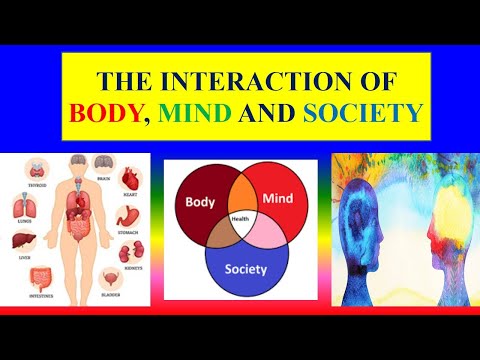
The interplay of mind and society is a fascinating topic. You might not realize it, but our thoughts, feelings, and behaviors are shaped by the social environments we find ourselves in. It’s like this constant dance between who we are as individuals and the influences around us.
First off, let’s talk about how society molds our minds. From the moment we’re born, we’re soaking up information. Family dynamics, school experiences, cultural norms—they all play a huge role in how we think and feel about ourselves and others. For example, if you grow up in a supportive environment that values education, you might develop positive self-esteem and a strong work ethic. But if you’re surrounded by negativity or high expectations that aren’t met, it can lead to feelings of inadequacy or anxiety.
On the flip side, **your mind can impact society**, too! Think of social movements; they often start with individuals who have strong ideas about change. When enough people resonate with those ideas—like environmentalism or civil rights—you see those personal beliefs morphing into societal shifts. It’s kind of like when one person at a concert starts clapping; before you know it, everyone’s joining in!
Another key point here is the role of mental health. If you’re struggling with mental health issues—like depression or anxiety—it can affect your social interactions. You might withdraw from friends or miss out on opportunities because your brain is telling you to stay safe and avoid stress. Society doesn’t always get it though; stigma can make things harder. This creates a cycle where your mental state impacts how you engage with others while society’s views influence your mental well-being.
Then there’s socialization, right? That’s how we learn what’s acceptable behavior in our culture. Whether it’s norms around greeting someone or what’s considered polite conversation—these things shape our psychological processes profoundly! If you’re not taught conflict resolution skills growing up, for instance, how likely are you to handle disagreements well as an adult? Not very!
Also interesting is how identity works within this dynamic. The labels society puts on us (think race, gender, class) influence our self-perception. If you’re constantly told you’re “less than” because of societal stereotypes, that can seriously dent your self-esteem. On the other hand, positive representation can boost confidence and encourage personal growth.
Finally, consider technology’s role today. Social media has transformed the way we interact with each other—both positively and negatively! It’s a brilliant tool for connection but also fosters comparison culture which can warp your view of reality. Seeing perfect lives online might make you feel inadequate—even if it’s completely unrealistic.
In summary:
- The mind shapes society: Your unique thoughts contribute to larger movements.
- Society shapes minds: Cultural influences inform personal beliefs and self-image.
- Mental health matters: How we feel affects social engagement; societal stigma complicates this further.
- Socialization teaches norms: What we learn affects interactions throughout life.
- Identity influences perception: Societal labels impact self-esteem and personal growth.
- Technology changes interaction: Social media creates both connection and comparison.
So basically, it’s all intertwined! Understanding this relationship makes sense when navigating both personal experiences and wider social issues. Our minds don’t exist in vacuums; they’re constantly interacting with the world around us—and that’s what makes being human so interesting!
Exploring Mead’s Theory of Mind: Understanding Self and Society in Social Psychology
Mead’s theory of mind dives into the connection between our individual selves and the society we live in. This isn’t just some boring academic stuff; it’s all about how we shape ourselves through our interactions with others. George Herbert Mead was a big thinker in social psychology, emphasizing that the self isn’t just something you have—it’s something you create together with people around you.
Basically, **Mead proposed that self-awareness develops through social interactions**. It’s like this: when you’re a kid, you start learning who you are by watching how others react to you. Remember your first day at school? You might have felt excited but also a bit nervous about what your classmates would think of you. Those reactions helped shape your understanding of yourself.
A core idea in Mead’s theory is the concept of the “I” and “Me”. The “I” is your spontaneous self, your instincts and feelings. When you’re excited about trying out for a sports team, that’s the “I” kicking in! On the flip side, the “Me” represents how we see ourselves from another’s perspective—basically, it’s like your social mirror. If someone tells you they think you’re great at soccer, that feedback feeds into your “Me.”
This interplay is super important because it’s not just about individualism; it shows how our identities are socially constructed. You know that feeling when you’re with friends and suddenly you start acting differently? That’s because those connections influence how we present ourselves—like wearing different hats depending on who we’re with.
Another interesting point is that **communication plays a critical role** here. Language helps us express our thoughts and feelings, but it also allows us to understand how others feel too. Using language, we share meanings and establish connections with one another. So when someone greets you with enthusiasm, it can brighten your day; those little exchanges help build up «who» you are.
Moreover, Mead highlighted the importance of roles in society. Each role we play—be it as a friend, student or employee—shapes part of who we are. Imagine being a parent for the first time: suddenly you’re juggling responsibilities while figuring out what values to pass on to your child! All these roles create layers in our identity.
Now let’s talk about society itself—it constantly evolves because individuals are interacting all around us. Your personal experiences mix with collective societal norms and values. This creates what sociologists call «symbolic interactionism.» It’s all about symbols (like words or gestures) having shared meanings among people.
So really, Mead’s theory digs deep into how understanding yourself goes hand-in-hand with understanding society. You can’t separate one from the other—they’re intertwined like vines climbing up a wall! Each interaction shapes not only who we think we are but also influences societal structure over time.
To sum things up: Mead’s ideas remind us that self-concept isn’t an isolated thing; it’s shaped by relationships and social communication—a dynamic dance between individual identity and collective norms! And honestly? That’s pretty profound when you think about it!
Understanding the Theory of Mind (ToM): Key Concepts and Implications in Legal Contexts
Understanding the theory of mind is kind of like opening a door into how we understand ourselves and others. So, what exactly is it? Basically, theory of mind (ToM) refers to our ability to attribute mental states—like beliefs, desires, and intentions—to ourselves and others. This skill lets you figure out why someone acted a certain way or what they might be thinking. It’s crucial for social interactions.
Now, let’s break it down. Here are a few key points:
- Development: Most kids start showing signs of ToM around age 2 to 3. They begin to grasp that other people have thoughts that are different from their own.
- Complexity: ToM isn’t just about knowing someone else has thoughts; it’s about predicting behaviors based on those thoughts. For instance, if you see your friend with a mischievous grin, you might guess they’re planning something sneaky.
- Aging and decline: As people age, their ToM can change too. Some older people might struggle with understanding social cues or the mental states of others.
Here’s where it gets interesting: the implications of ToM stretch into various fields like law and psychology. In legal contexts, understanding someone’s state of mind can really matter! Say there’s a criminal case; if someone claims they were unaware of the consequences of their actions, figuring out their ToM becomes essential for determining responsibility.
Think about this scenario: Imagine there’s a robbery suspect who insists they didn’t mean any harm because they believed no one was in the store. The court would look at whether the suspect genuinely understood how their actions could affect others versus just claiming ignorance.
ToM also plays a role in therapeutic settings. When therapists work with clients who have trouble understanding social situations—like those on the autism spectrum—they often focus on developing these skills through role-playing or storytelling exercises. This helps individuals better navigate social waters.
But let’s not forget that ToM isn’t perfect! People make mistakes in interpreting others’ minds all the time. Misunderstandings can lead to misjudgments in both casual interactions and serious situations like legal cases.
In short, theory of mind is a foundational aspect of how we connect with each other and interpret behavior. In legal contexts especially, being able to understand what’s going on in someone else’s head can change everything about how justice is served—and how society operates as a whole!
You know, it’s pretty interesting when you think about how our minds work and how they connect with the world around us. It’s like, you’ve got this entire society out there influencing your thoughts and feelings while you’re also shaped by your unique experiences. It’s this crazy dance between your headspace and the context of your life.
Take, for example, that moment when you walked into a crowded room and felt all those eyes on you. Your heart races because of what you think they might be judging about you, right? That feeling doesn’t just pop up out of nowhere; it’s the result of societal norms and expectations. We’re taught to care about appearances, often influenced by social media or even just good old-fashioned peer pressure. It’s wild how this collective mindset can mess with our self-image.
But then again, let’s flip it around for a second. Think about those times you’ve felt uplifted or empowered by a supportive community—a group that really gets who you are or what you’re going through. They might help shift your perspective on things, making you more confident or positive than you’d feel alone. It’s like society can sometimes become this warm blanket rather than a heavy weight.
What I find so fascinating is how all these interactions can lead to patterns in behavior that affect mental health outcomes across populations. If someone is constantly bombarded with negative messages about their worth based on societal standards, well, there’s a good chance they’ll struggle with anxiety or low self-esteem because of it.
In some ways, recognizing this interplay lets us reflect on our own lives more deeply. Are we being shaped in healthy ways? What parts of our thinking come from genuine self-acceptance versus what society tells us to feel? Understanding these ties could encourage change—not just within ourselves but within the larger community too!
So yeah, it’s pretty amazing to see how intertwined our minds are with society as a whole—a constant give-and-take that shapes who we are and how we relate to each other in both positive and negative ways.