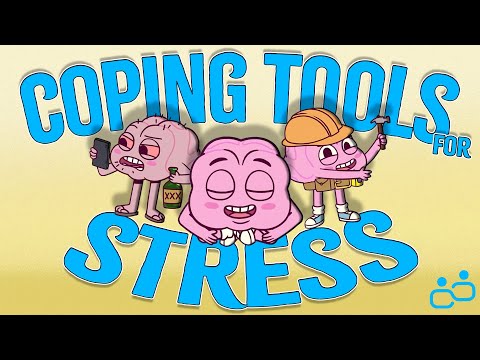
Hey, do you ever feel like life just throws too much your way? You know, those moments when stress feels like it’s piling up and you’re not sure where to turn? Yeah, we’ve all been there.
Life can be a whirlwind. Work pressures, family stuff, and just the everyday grind can cloud your mind. It can get overwhelming. Trust me, you’re definitely not alone in this.
But here’s the thing: we all need ways to cope. Finding the right tools can help you deal with that stress in a way that feels more manageable. Seriously!
In this little chat, we’ll explore some chill ways to tackle that psychological stress in daily life. So, let’s break it down a bit and find out what works for you!
Effective Coping Mechanisms for Managing Stress and Anxiety
Dealing with stress and anxiety is something everyone goes through. Seriously, it’s like a part of being human. Some days feel like you’re juggling a million things at once, and then there’s that little voice nagging you in the back of your head. So, what can you do about it? Effective coping mechanisms can really help here.
1. Deep Breathing
One of the simplest ways to calm down is by taking deep breaths. You know when you’re about to freak out, and someone tells you to «just breathe»? Well, there’s a reason behind that!
Try inhaling deeply through your nose for a count of four, holding it for four, then exhaling through your mouth for another four. Doing this a few times can slow your heart rate and clear your mind.
2. Physical Activity
Hit the gym or take a walk around the block! Seriously, physical activity releases those feel-good chemicals called endorphins. Even if you’re not into lifting weights or running marathons, just moving around helps. Dance in your kitchen or do some yoga in your living room—whatever feels good to you!
3. Connect with Others
Sometimes just talking it out helps tons! Call up a friend or family member and share what’s on your mind. They might even have some great insight or be going through something similar. Remember that time when I was stressing about work deadlines? A quick chat with my best friend turned everything around!
4. Mindfulness and Meditation
This one’s all about being present in the moment without judgment. It sounds fancy, but it’s pretty straightforward—just focus on what you’re feeling right now, whether it’s the taste of coffee or how comfy your couch is! Apps like Headspace or Calm are super helpful but don’t stress over using them; doing it casually works too!
5. Journaling
Writing down your thoughts can be super therapeutic! Grab a notebook and jot down whatever comes to mind — whether it’s worries about work or that awkward conversation from yesterday’s lunch break—getting it out on paper really clears your head.
6. Set Realistic Goals
It’s easy to get overwhelmed when life throws too much at you all at once. Break down tasks into smaller chunks so they feel more manageable. Like instead of saying “I have to clean the whole house,” think “I’ll tidy up one room at a time.” It feels less daunting and gives you mini wins along the way!
7. Limit Caffeine and Sugar
Sure, we all love that morning cup of joe (guilty!). But too much caffeine can make anxiety worse—like turning up the volume on an already loud radio station! Try swapping one cup for herbal tea or water sometimes; hydration goes a long way in keeping anxiety levels down.
These coping mechanisms aren’t foolproof solutions but more like tools in your toolkit for dealing with life’s stresses—a little extra support when things get tough, you know? It’s all about finding what resonates best with you personally and keeping those strategies handy for when anxiety tries to sneak back in!
Understanding Unhealthy Coping Mechanisms for Stress: Identifying Risks and Finding Solutions
Stress is a part of life, and we all handle it differently. But sometimes, the ways we cope with stress can be unhealthy, you know? It’s essential to recognize those patterns before they spiral out of control. Let’s break down some of these unhealthy coping mechanisms and what you can do about them.
First off, one common way people deal with stress is through avoidance. You might find yourself binge-watching TV shows or scrolling mindlessly through social media for hours. Sure, it feels good in the moment, but it usually doesn’t fix the problem. Instead, it often leads to more stress when responsibilities pile up.
Another unhealthy habit is using substances. Drinking too much alcohol or relying on drugs can seem like an escape but eventually makes things worse. You end up feeling even more stressed and anxious once the effects wear off. I remember a friend who used to think that a couple of beers could solve his work-related anxiety. But by the end of the week, he felt worse than ever, which just created a nasty cycle.
Then there’s emotional eating. We all crave comfort food now and then, but when you regularly turn to junk food for relief from stress, it can lead to health issues down the line. It’s like a quick fix that comes with long-term consequences!
Another risky behavior is overworking. When you throw yourself into your job as a way to escape personal issues or feelings of inadequacy, it’s actually counterproductive. Sure, you might feel accomplished in the short term, but neglecting your emotional needs will catch up eventually. A buddy of mine was always working late to avoid dealing with family problems and ended up burnt out and disconnected from everyone.
So how do you shift away from these unhealthy habits? First off, awareness is key! Recognizing when you’re falling into those patterns is seriously half the battle won.
Here are some healthier alternatives to consider:
- Meditation and mindfulness: Try taking just a few minutes each day to meditate or practice mindfulness. It can help ground you amidst chaos.
- Regular exercise: Physical activity releases chemicals called endorphins that elevate your mood.
- Talking it out: Share what you’re feeling with friends or family members; sometimes just voicing your worries lightens their weight.
- Pursue hobbies: Channeling stress into something creative or enjoyable can be such a great outlet.
Making small adjustments over time can lead to big changes in how you manage stress. It’s about shifting your focus and finding practices that truly nurture your body and mind instead of temporarily escaping them! It’s definitely worth exploring different methods until you find ones that resonate with you personally.
Remember: recognizing unhealthy coping mechanisms is not about judging yourself; it’s just part of being human! Each step towards healthier choices is a win in itself!
Effective Coping Strategies for Mental Health: Downloadable PDF Guide
Sure! Let’s talk about effective coping strategies for mental health in a way that feels relatable. Everyone has their struggles, and it’s all about finding what works best for you when life gets a little overwhelming.
Coping mechanisms are like tools in your emotional toolbox. They can help you manage stress and improve your overall well-being. Here are some common and effective strategies:
- Deep Breathing: This one’s super simple but powerful. When you feel anxious or stressed, take a moment to breathe deeply. Inhale slowly through your nose, hold it for a second, then exhale through your mouth. Repeat this a few times and notice how it calms your mind.
- Physical Activity: Exercise is a fantastic stress-buster! Whether it’s a walk around the block or hitting the gym, getting your body moving releases endorphins, which can lift your mood.
- Meditation: Mindfulness meditation can help clear your head. You don’t need to be a pro—just find a quiet space and focus on your breath or some positive affirmations.
- Journaling: Writing things down can seriously help organize your thoughts. It’s like having a conversation with yourself on paper, which can bring clarity and relieve emotional weight.
- Social Support: Talking about what you’re going through with someone who cares can be incredibly healing. Call up a friend or family member and let it out—sometimes just knowing someone is there makes all the difference.
- Avoiding Alcohol and Drugs: It might seem tempting to numb feelings with substances, but they often make things worse in the long run. Finding healthier ways to cope is way more beneficial!
Sometimes when I feel really stressed out—like when I was juggling work deadlines while trying to keep my social life going—it helped me to pick just one of these strategies each day. Maybe I’d go for a jog one day and then dedicate some time to journaling the next day.
You could also think about keeping track of what works best for you over time. Try out different strategies and see how they make you feel—that way, you’ll build your own personalized coping toolkit.
Remember that coping isn’t about pretending everything’s fine; it’s about finding ways to deal with challenges that feel genuine to you. Embracing these moments can empower you!
You know, life throws all sorts of curveballs at us. Sometimes it feels like you’re on a rollercoaster—one moment you’re at the top, and the next, you’re plummeting down. Everyone deals with stress differently. Some folks seem to just bounce back like nothing ever happened, while others struggle to find their footing. It’s all about those coping mechanisms we develop along the way.
Let me tell you about my friend Sam. He’s an artist and a pretty laid-back guy most days. But then life hit him hard when he lost his job unexpectedly. At first, he didn’t really know how to handle it. He tried burying himself in work he was doing on the side, thinking that might take his mind off things. But that just made him more anxious! You could see the stress creeping up on him—his creativity fizzled out, and he became irritable.
Then one day, he decided to go for a long hike in the woods—just him and nature. And it turned out to be a game-changer for him! Being outdoors felt liberating; it helped clear his mind and put things in perspective. That walk became a regular thing for him; it was like hitting the refresh button on his brain and gave him space to breathe.
Coping mechanisms can take all shapes and sizes! Some people find comfort in physical activities or hobbies—they just need that outlet where they can channel their stresses into something constructive. Others turn to mindfulness practices or meditation—it’s kinda like taking a mini-vacation for your mind, if you think about it!
And then there’s social support, right? Just having someone listen can make such a difference! Like when Sam started opening up about his feelings with friends over coffee instead of bottling everything up—what a relief that was for him!
You might also notice some people cope by having their favorite comfort food or binge-watching shows until they feel better (guilty as charged!). It’s not always healthy, but sometimes you just need that little escape.
The thing is finding what works best for you might take some time. It often means trial and error; maybe one method works perfectly today but not so much tomorrow! The key is being flexible with yourself—you don’t have to stick with one approach if it’s not clicking anymore.
At the end of the day, knowing how to manage stress is like collecting tools in your toolbox; each mechanism serves its own purpose when different situations pop up. So keep experimenting until you find your go-to strategies—it’ll help make this wild journey called life feel just a bit more manageable!