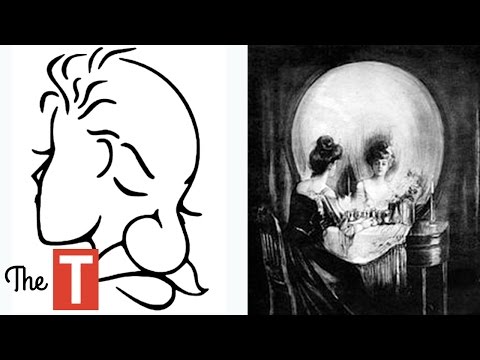
So, let’s talk about pictures. You know how sometimes a single image can spark a thousand thoughts? It’s like looking at an old photo and suddenly you’re hit with a flood of memories. That’s kind of what we’re getting at with visual assessments in psychology.
Picture tests, as they’re often called, are all about using images to understand how people think and feel. It sounds a bit quirky, right? But there’s something really cool about it. You can learn so much just by seeing how someone responds to an image.
Imagine sitting down and showing someone a series of pictures. Their reactions might reveal hidden emotions or thoughts that you’d never guess just by chatting with them. It’s like peeling back layers without even having to dig too deep.
This whole picture test approach can be super helpful in therapy or assessments. There’s real power in visuals – they can make the complex stuff inside our heads a bit easier to understand. So, stick around! We’ll explore this fascinating world together.
Understanding the Picture Test in Psychology: Purpose, Techniques, and Applications
The Picture Test in psychology is all about understanding how people see the world through images. It’s one of those cool tools that taps into your imagination and feelings. So, let’s break it down a bit, shall we?
Purpose of the Picture Test
The main goal here? To dig deep into a person’s thoughts, emotions, and personality traits through their reactions to pictures. You know how sometimes a photo can stir up memories or feelings? Yeah, that’s what this test plays on! It helps psychologists reveal aspects of your psyche that you might not even be aware of.
How It Works
Picture tests can vary a lot, but they generally follow a similar technique. You’re usually shown a series of images and asked to respond to them. Sometimes it’s about describing what you see or telling a story based on the images. The idea behind this is that your interpretations can give insight into how you think and feel.
For example, let’s say you see an image of two people arguing. Your reaction—whether it’s empathy for one side or indifference—can speak volumes about your own experiences or beliefs regarding conflict.
Popular Techniques
There are several well-known picture tests out there:
- Thematic Apperception Test (TAT): Here, you get images showcasing various scenarios and you’re asked to create stories around them. It helps highlight personal motivations.
- Rorschach Inkblot Test: This one’s pretty famous. You look at inkblots and describe what you see—your responses can indicate thought patterns or emotional functioning.
- Pictorial Stories: Sometimes simple drawings are used where participants complete unfinished stories or add characters to scenes.
Each method has its own flavor but ultimately aims to unearth underlying thoughts and emotions.
Applications in Psychology
You’d be surprised where picture tests pop up! They’re used in clinical settings for assessing mental health conditions like anxiety or depression, especially when traditional questioning doesn’t cut it. Also, therapists might use these tests during sessions to help clients express feelings they can’t articulate.
In educational settings too, these tests help in understanding student behaviors and learning styles. If a kid draws something strikingly dark in art class? Well, it could signal they need some support emotionally.
In summary, picture tests are like window lenses into our inner worlds. They might seem simple on the surface—a bunch of images—but they’re tools for profound exploration into whom we are as individuals. So next time you see an interesting picture, think about what it might say about you!
Understanding the Szondi Test: Insights into Its Purpose and Applications
The Szondi Test is one of those psychological tools that might seem a bit out there at first glance. It’s like a personality test, but with a twist. Developed by Hungarian psychiatrist Léopold Szondi in the 1930s, this test focuses on how your unconscious choices reflect your personality. Sounds intriguing, right?
So here’s how it works: the Szondi Test uses a series of photographs of different people—some may look happy, others sad or neutral. You’re shown these images and asked to pick which ones you feel attracted to or repelled by. The idea is that these preferences can reveal underlying psychological traits and conflicts within yourself.
Why does it matter? Well, the test aims to uncover aspects of your personality that you might not even be aware of. It taps into your unconscious drives, which are often influenced by your early experiences and relationships. You know how sometimes you meet someone and feel an instant connection or aversion? The Szondi Test tries to dig deeper into those feelings and what they mean about you.
Now, let’s talk applications. Mental health professionals use this test for various reasons:
Let me give you an example: Imagine someone pulls two pictures—a smiling person and another looking distressed. Their choice could indicate whether they tend to gravitate towards joy or feel uncomfortable around negativity. This simple action can open up conversations about their life experiences, relationships, and coping mechanisms.
But it’s not all sunshine and rainbows. Critics say the Szondi Test lacks scientific rigor compared to other assessments like the MMPI (Minnesota Multiphasic Personality Inventory). Some argue its interpretations can be subjective. So while it’s fascinating as hell, always keep in mind that it’s just one tool among many.
The Szondi Test is more than just picking pretty faces; it’s about exploring what lies beneath the surface of our everyday lives—our hidden fears, aspirations, and connections with others. And hey, who wouldn’t want a deeper glimpse into their own psyche?
Understanding the Baum Test: Key Insights and Applications in Legal Contexts
The Baum Test is a cool tool used in psychology to get a glimpse into someone’s personality through their drawings. It’s one of those picture tests that can reveal deeper thoughts and feelings without saying a word. Basically, you ask someone to draw a tree, and what they put on the paper can show how they see themselves and their relationships with others.
When you think about it, trees are kind of deep. The trunk might represent strength or stability, while the branches could symbolize relationships or aspirations. Each part of the drawing holds significance, and that’s why it’s interesting in legal contexts. You see, mental health evaluations can sometimes play a big role in legal decisions, especially when it comes to assessing someone’s psychological state.
Key Insights from the Baum Test:
- Symbolism: Every line matters; whether it’s the thickness of the trunk or the shape of leaves can indicate self-perception.
- Emotional State: Drawings can reflect underlying emotions. For example, a tree with broken branches might show distress or struggle.
- Simplicity vs Complexity: A simple tree could suggest straightforward thinking, while an intricate design might indicate complexity in how someone perceives their life.
- Context is Key: In legal cases, understanding these drawings helps psychologists understand an individual’s mental state related to specific incidents.
In practice, let’s say there’s a custody battle going on. A psychologist might use the Baum Test to figure out whether a parent is emotionally stable enough for custody. If one parent’s drawing shows signs of anxiety—like thin branches or sparse leaves—it could give insights into their emotional availability for their child.
Moreover, understanding these visual assessments becomes crucial during trials involving mental competence or criminal responsibility. The way someone draws may reveal issues like depression or anxiety that influence their actions.
It’s fascinating how something as simple as drawing can help paint a picture—pun intended—of deeper emotional truths and behaviors! So while it looks like just scribbles at first glance, there’s actually quite a bit going on beneath the surface that can inform important legal decisions. It just goes to show how complex our minds are!
So, let’s chat about visual assessments in psychology, specifically the picture test approach. You know, it’s kind of interesting how our minds work with images. Like, have you ever looked at a painting or a photo and suddenly felt something? These visual tests tap into that a bit.
Picture tests often involve showing someone a series of images—could be drawings, photographs, or other visuals—and asking them to interpret what they see. It’s not just about picking a favorite or saying if it’s pretty or not. It goes deeper. Basically, what folks say about these images can reveal their feelings, thoughts, and even hidden parts of their personality.
I remember reading about this one individual who took part in such a test. The evaluator showed them a somewhat abstract piece that looked chaotic—lots of swirling colors and strange shapes. The person initially described the image as “confusing” and “overwhelming.” But then they opened up about how that reflected their own life at the moment—lots of stress and uncertainty. It’s fascinating how an image can spark those insights!
A lot of people might wonder if these tests really show anything significant. Well, it’s worth noting that while they are useful tools for some psychologists, they’re not definitive answers to complex human behavior. Sometimes it feels like interpreting art: there might not be one right answer.
And here’s the kicker—different people interpret the same picture in all sorts of ways! What you see might tell me something totally different than what I see. That difference is where things get juicy; it highlights our personal experiences and filters.
Visual assessments can be especially helpful for kids or individuals who might struggle to express themselves verbally. Sometimes saying “I feel sad” doesn’t capture everything, but looking at an image and discussing it can provide more context.
In essence, these picture tests are like little windows into one’s mind—a quirky mix of art and psychology that helps capture those inner workings we all have but don’t always articulate well! So next time you stare at an intriguing picture, think about what it might say about you…or even just enjoy the feelings it brings up!