You know how sometimes you meet someone, and you just get a vibe about them? Like, is this person chill or super intense?
That’s where the Big Five traits come into play. They help us break down those vibes into five core personality traits. It’s like a personality map that gives you some insight into who people really are.
Picture this: you’re at a party, and there’s that one friend who can’t stop chatting everyone up. And then there’s another who just hangs back and observes. Both totally valid ways to be!
So, let’s take a peek behind the curtain of these traits. You might find some surprises about yourself or your pals!
Understanding the Big Five Personality Test: Insights and Applications for Personal Development
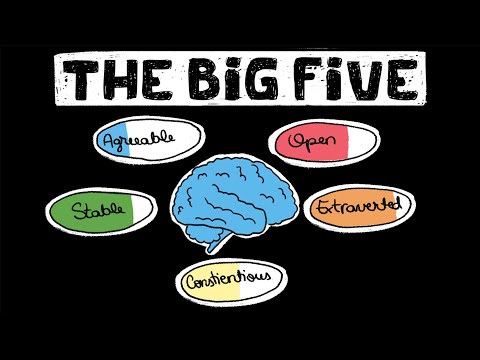
Alright, let’s chat about the Big Five Personality Test. It’s a super popular way to break down human personality into five main traits, giving you some solid insights into who you are and how you relate to others. So, what are these traits? Here’s the rundown:
- Openness to Experience: This trait measures your level of creativity and curiosity. If you’re someone who loves trying new things or thinking outside the box, you probably score high here. On the flip side, if routine and tradition make you feel comfy, you might lean towards low openness.
- Conscientiousness: Think of this as your level of organization and dependability. Are you the type that plans everything in advance? That’s high conscientiousness! If you’re more spontaneous or find it hard to stay focused on tasks, well, that might mean a lower score in this area.
- Extraversion: This one gauges how outgoing or reserved you are. If you’re energized by social interactions and enjoy being around people all the time, then boom—you’re likely an extravert! But if you’d rather hang out at home with a book than go to a party, you might be more introverted.
- Agreeableness: This trait looks at how compassionate and cooperative you are. Those high in agreeableness tend to be friendly and helpful. If you’re skeptical or competitive rather than being warm and trusting, your score here could be lower.
- Neuroticism: This is all about emotional stability. If little things get under your skin or if you’re often anxious or moody, your score here would likely be higher. A low neuroticism score means you’re generally calm and collected.
Now, why does this matter? Well, understanding these traits can really help with personal development. For instance, knowing that you’re low on conscientiousness might push you to work on being more organized—maybe using planners or setting reminders for important tasks.
Let’s say you’ve taken the test—your results show high neuroticism but low extraversion. You might start recognizing patterns in how stress affects your relationships and decide to work on coping strategies like mindfulness or even reaching out more regularly to friends for support.
The Big Five isn’t just about understanding yourself; it can also help improve how you interact with others. For example, recognizing that someone close to you is highly agreeable can make communicating easier—you’re going in knowing they value harmony!
The beauty of the Big Five is its versatility; it’s widely used across different fields like psychology research, business settings for hiring practices, even education! So whether you’re looking for teamwork dynamics in a corporate setting or just wanting insights into personal growth through self-reflection—this model has got your back.
The takeaway? Knowing where you fit within these Big Five traits opens up paths for growth. It gives clarity on personal strengths while also shining light on areas we might need to work on—and that’s pretty powerful stuff!
Comprehensive Guide to the Big Five Personality Traits in Psychology: Downloadable PDF
The Big Five personality traits are a big deal in psychology. They give us a way to understand ourselves and each other better. Basically, these traits are like the building blocks of our personalities. So, let’s break them down a bit, shall we?
1. Openness to Experience
This trait is all about curiosity and creativity. If you score high here, you’re probably someone who loves new experiences. You might enjoy trying out funky food or diving into weird hobbies. On the flip side, if you’re low on this trait, you might prefer routine and familiar surroundings.
2. Conscientiousness
Think of this as your level of organization and dependability. High scorers tend to be really disciplined; they plan things out and keep track of details like champs! Those lower on this scale might be more spontaneous or have trouble focusing on long-term goals.
3. Extraversion
Extraversion is all about how much energy you get from being around other people vs being alone. If you’re high in extraversion, social gatherings are your jam! But if not, that doesn’t mean you’re anti-social—just maybe more comfortable with a good book or some time to yourself.
4. Agreeableness
This trait reflects how compassionate and cooperative you are toward others. High agreeableness means you’re likely to be trusting and empathetic—like the friend who always listens when you need to vent! In contrast, lower scores could mean you’re more competitive or skeptical.
5. Neuroticism
Neuroticism is kind of like emotional rollercoasters—it measures your emotional stability and resilience in stressful situations. A high score may mean you’re often anxious or moody, while a lower one suggests you’re generally calm and collected.
Understanding these traits can help us navigate relationships better because it highlights differences in people’s personalities.
So how do these traits work together? Well, they mix in unique ways for everyone. For instance, someone who’s high in openness but low in conscientiousness might jump into new adventures without much planning—think spontaneous road trips!
And let’s not forget their practical uses: they can help in career choices or personal growth by shining a light on strengths and areas for improvement.
There are tons of quizzes online if you want to see where you land on the Big Five spectrum—but remember, they’re just one piece of the puzzle!
In summary, knowing about these five traits gives us cool insight into why we think and act the way we do—and helps us appreciate that we’re all different in our own special ways!
Understanding the Big 5 Personality Traits: Comprehensive Examples and Insights
The Big Five Personality Traits, often referred to as OCEAN, stand for Openness, Conscientiousness, Extraversion, Agreeableness, and Neuroticism. These traits are used by psychologists to understand human personality. They can help explain how we behave, interact with others, and even cope with stress. Let’s break down each trait, shall we?
Openness: This trait is all about your willingness to explore new experiences and ideas. People high in openness are often creative, curious, and open-minded. For example, think about someone who loves trying new foods or is always reading about different cultures. On the flip side, someone low in openness might prefer routine and familiarity—like sticking to their favorite restaurant because they don’t want to risk a bad experience.
Conscientiousness: If you’re organized and responsible, you probably score high on conscientiousness. This trait reflects how disciplined you are when it comes to achieving goals. Picture a student who’s always on top of their assignments versus one who waits until the last minute to cram for exams. The first student likely has a high conscientiousness score! It influences your work ethic and how reliable others see you.
Extraversion: This one’s pretty straightforward! Extraverted people tend to be outgoing and energetic. They enjoy social settings and thrive on interaction with others—like that friend who always wants to host parties or go out dancing every weekend. In contrast, introverted folks may feel drained after social events and prefer quieter activities like curling up with a good book.
Agreeableness: When someone is considerate, cooperative, or compassionate towards others, they tend to have high agreeableness. Think of that person who goes out of their way to help friends move or volunteers at animal shelters; these actions show their kind-hearted nature! On the other hand, less agreeable people may be more competitive or critical.
Neuroticism: This trait relates to emotional stability—or lack thereof! High neuroticism means you’re more likely to experience negative emotions like anxiety or sadness easily. Imagine someone who gets overly stressed about small problems—like misplacing their keys—or feels anxious before a big presentation at work. Conversely, people low in neuroticism usually stay calm under pressure.
So what’s interesting here is that everyone has varying levels of these traits. Maybe you’re high in openness but low in extraversion; it’s totally normal! Understanding where you fall on this spectrum can provide valuable insights into your behaviors and choices.
Feeling overwhelmed? You’re not alone! Many folks experience similar responses when navigating social situations or learning new things—it’s all part of being human.
In summary:
- Openness: Creativity and curiosity vs routine.
- Conscientiousness: Organization vs procrastination.
- Extraversion: Outgoing vs reserved.
- Agreeableness: Compassionate vs competitive.
- Neuroticism: Emotional instability vs calmness.
Remember that understanding these traits can help foster better relationships both personally and professionally. So next time you’re puzzled by someone’s behavior or even your own reactions in certain situations—know there’s a psychology behind it all!
You know, when we talk about personality, it’s like we’re peeling back layers of who we are. The Big Five traits in psychology really nail down what makes us tick. So let’s look at this, shall we?
First up, there’s openness to experience. This is all about how curious and imaginative you are. Some people are like, “I’ll try anything once!” while others stick to what they know. I remember a friend who would jump at the chance to travel somewhere new or try a weird food combo. It was crazy fun! But then there were times when I just wanted to stay home and binge-watch shows instead.
Then you’ve got conscientiousness, which speaks volumes about how organized and dependable you are. Think about those folks who keep color-coded planners—seriously impressive! I’m more of a “write it down the night before” kind of person, which works… most of the time. But man, those super organized people seem to have their lives together!
Next is extraversion. This one’s a bit obvious: it’s about how outgoing or reserved you are. Some folks thrive in social settings; they light up the room! Others? Not so much—like my cousin who prefers quiet nights in with a good book over big parties. Totally valid.
Now let’s chat about agreeableness. If you’re the type who wants everyone to get along, you’re likely high on this trait. It’s nice! Sometimes I wish I could be more agreeable during heated debates with friends because keeping the peace feels so much better than arguing over pizza toppings.
Finally, there’s neuroticism—the tendency towards anxiety or moodiness. We all have our moments of stress or worry, don’t we? Some days feel lighter than others; sometimes it’s tough not to spiral into overthinking everything—especially late at night when all those thoughts come flooding in.
So yeah, understanding these five traits offers a clearer picture of why we do what we do and how we interact with one another. Plus, it helps us appreciate that everyone has their quirks and preferences that shape their personalities—and frankly, that’s what makes life interesting!