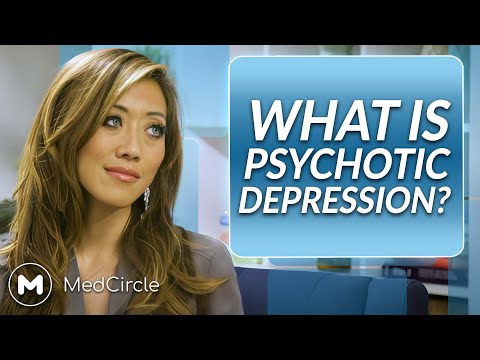
Hey, so let’s chat about something pretty heavy today. Psychotic depression—sounds intense, huh? It’s not just the blues; it can really mess with how someone sees the world.
Imagine feeling so low that you start hearing voices or seeing things that aren’t there. That’s what makes this type of depression a bit different from the usual kind. It’s not just sadness; it’s like your mind is playing tricks on you.
I know, it sounds kind of scary. But understanding it can really help us connect with those who are going through it. So, let’s break it down together and see what it all means!
Understanding Psychotic Depression: Symptoms, Signs, and Insights
Psychotic depression is one of those terms that can sound a bit alarming, right? It’s basically when someone experiences severe depression along with some kind of psychotic experience. So, what does that mean exactly? Let’s break it down.
First off, symptoms of psychotic depression can be intense. You might feel really sad or hopeless—all day, every day. It’s not just a passing blue mood. Then there are the psychotic symptoms, like hallucinations (seeing or hearing things that aren’t really there) or delusions (strong beliefs in things that are obviously false). Imagine feeling convinced that everyone is talking behind your back or seeing shadows moving in the corner of your eye. It’s pretty tough stuff.
Then there are the signs to look out for. It’s more than just sadness; it often involves a complete withdrawal from life. You stop caring about things you once loved—like going out with friends or even keeping up with hygiene. Your energy levels might plummet too, making simple tasks seem impossible. Just picture someone who used to run marathons suddenly struggling to get out of bed.
The emotional rollercoaster can also lead to feelings of guilt and worthlessness, and those can stick around like an unwanted guest—not fun! And sometimes people may even feel paranoid, believing others are plotting against them or they’re not good enough for anything.
So let’s talk about why understanding this condition matters. When you know what psychotic depression looks like, it becomes easier to spot in yourself or someone you care about. You may remember a friend who went through something similar; they seemed off for months and pushed everyone away before finally opening up about how they felt trapped in their own mind.
Now, when it comes to treatment options for psychotic depression, it’s not just about popping pills and hoping for the best; it’s usually a combination approach – therapy and medication work hand in hand here. Antidepressants can help deal with the mood symptoms while antipsychotics tackle those hallucinations and delusions.
In summary, recognizing the signs is key:
- Persistent sadness
- Hallucinations
- Delusions
- Withdrawal from life
- Low energy levels
- Feelings of guilt or worthlessness
If you suspect you or someone close might be dealing with this kind of depression, reaching out for help is vital. Take care and stay informed!
Understanding the 3 D’s of Depression: Definitions, Dangers, and Directions for Support
Let’s kick things off with some definitions. When we talk about depression, it’s not just feeling bummed out or having a bad day. It’s like this heavy fog that settles in and just won’t lift. One type that can be pretty intense is **psychotic depression**. This isn’t your everyday blues; it can involve serious symptoms like hallucinations or delusions. Imagine hearing voices that aren’t really there or feeling super paranoid about situations that aren’t dangerous at all. That’s psychotic depression.
Now, onto the dangers. Depression is tricky because it doesn’t just mess with your emotions; it can take a toll on your physical health too. People often isolate themselves when they’re feeling down, which can lead to worsening mental health and even physical issues like heart disease. Here are a few things to keep in mind:
- Risk of Self-Harm: Sometimes, the pain feels so overwhelming that people think about hurting themselves as a way to escape.
- Suicidal Thoughts: This can be a real danger—especially with psychotic depression—when someone feels hopeless and trapped in their mind.
- Functional Impairment: You might struggle to get out of bed or go to work, which affects relationships and finances.
You know how sometimes you hear a friend talking about feeling really low for weeks? It could be more serious than they think. It’s crucial for friends and loved ones to recognize these signs early on.
So what about directions for support? Well, if you or someone you know is dealing with this kind of depression, reaching out is key! There are several ways to help:
- Professional Help: Encouraging therapy can make a huge difference. A good therapist knows how to navigate those dark thoughts and feelings.
- Medication: Antidepressants or antipsychotics might be prescribed by doctors to help manage symptoms better.
- Support Systems: Friends or family can provide comfort—simple check-ins mean the world when someone is struggling.
Just remember, it’s okay if you don’t have all the answers right away. Showing up for someone who’s going through psychotic depression—or any form of depression—can provide them with a sense of connection they desperately need during tough times.
To sum it up: understanding the **3 D’s** helps to break down this complex issue into bite-sized pieces: recognize what it is (definitions), know the risks (dangers), and figure out how to help (directions). We’re all learning here; shedding light on these topics makes a huge difference not just for those who suffer but also for all of us trying to support one another!
Understanding Psychotic Depression: Examples of Delusions and Their Impact
Psychotic depression is a tough topic, but it’s super important to understand. When someone experiences this condition, they not only deal with overwhelming sadness or hopelessness but also have symptoms like delusions or hallucinations. That’s a pretty heavy combo, right? Let’s break it down a bit.
What is Psychotic Depression?
Basically, psychotic depression combines the features of major depressive disorder and psychosis. This means you’re stuck in a really dark place emotionally while also experiencing distorted perceptions of reality. It can feel surreal, almost like being trapped in your own mind.
Delusions: What Are They?
Delusions are strong beliefs that don’t align with reality and can be really difficult to shake off. For instance, someone might believe they’re being followed or that they have some secret mission they must fulfill. These thoughts can be consuming, which makes it tough to focus on anything else.
Examples of Delusions
You might wonder what this looks like in real life. Here are some examples:
- Paranoid delusions: Imagine thinking everyone around you is plotting against you—even your friends and family can feel untrustworthy.
- Grandiose delusions: Picture believing you have extraordinary abilities or powers when, in truth, you might be struggling to get out of bed.
- Guilt-ridden delusions: Some people might feel an overwhelming sense of guilt over things they didn’t actually do or that might not even matter.
Each of these experiences adds another layer to the already heavy burden of depression.
The Impact on Daily Life
Living with psychotic depression isn’t just about feeling sad; it impacts everything—relationships, work, even just getting through the day. You could be at a party but still feel totally alone because those delusional thoughts are clouding your experience.
Let’s say your friend calls to catch up; instead of having a good time, you may believe they’re secretly judging you or discussing your flaws behind your back. How exhausting is that? It can create distance between people who genuinely care about you.
So now what? Well, understanding these experiences makes it easier for others—friends and family—to provide support rather than judgment. If someone shares their struggles with delusions during depressive episodes, listening without minimizing their feelings can make all the difference.
In terms of treatment options, combining medication with therapy often yields the best results for many folks dealing with this complex condition. And while recovery takes time and effort—and let’s not sugarcoat it—hope exists! People do find ways to manage their symptoms and reclaim parts of their lives.
To sum up (not going too deep here!), psychotic depression involves more than just feeling low; it intertwines severe emotional pain with distressing thought patterns that distort reality. Just keep in mind there is help out there for anyone who needs it!
Psychotic depression is one of those terms that can sound pretty alarming. I mean, just the word «psychotic» tends to freak people out, right? But there’s so much more to it than just a label. It’s a complex condition that brings together the intense sadness of depression with some severe symptoms like hallucinations or delusions. Imagine feeling so low that it takes you to a point where your mind starts creating its own reality—that’s what we’re dealing with.
A friend of mine once shared her experience with this. She had been feeling really down for months, and one day she started hearing voices that weren’t there. It was terrifying for her and completely altered how she viewed herself and her life. Those moments where reality gets warped can add another layer of distress on top of an already heavy emotional load.
So, let’s break this down a bit. Depression itself can make you feel hopeless, lost, and completely drained, like you’re stuck in quicksand. Now throw in psychosis—seeing or hearing things that aren’t real—and it’s like being trapped in a nightmare from which you can’t wake up. It isn’t just about feeling sad; it spirals into confusion and fear about what’s actually happening around you.
It’s like your brain is playing tricks on you, amplifying feelings of worthlessness or despair until they become unbearable. The psychological dimensions are intricate; emotions get tangled up with thoughts that simply aren’t grounded in reality anymore. You could be sitting at dinner with friends but feel utterly alone because your mind is telling you all sorts of dark things about yourself.
If someone is going through this kind of experience, it’s really important for them to seek help. Understanding the psychological complexities involved is crucial—not just for them but for those around them too. It allows friends or family to be more compassionate and informed about what their loved one might be facing.
In essence, psychotic depression shows us how intertwined our emotions and perceptions truly are—like two dancers moving together, sometimes gracefully but often tripping over each other in chaotic ways. It reminds us how vital mental health awareness can be; not just to help ourselves but also to create spaces where we can talk openly about our struggles without judgment or fear.