You know that feeling when your heart races, your palms get sweaty, and suddenly the idea of speaking in front of people seems impossible? Yeah, that’s public speaking anxiety.
It hits hard. You might think you’re the only one who feels like this. But trust me, you’re not alone. Most folks get a bit freaked out about it.
Imagine standing in front of a crowd, and instead of feeling confident, you feel like you’re about to disappear. It can be overwhelming!
But here’s the thing—those mental barriers don’t have to keep you stuck. There are ways to shift your mindset and tackle that anxiety head-on.
So let’s chat about how to kick those fears to the curb and find some comfort in public speaking!
Mastering Public Speaking: Effective Strategies to Overcome Anxiety
Public speaking can be super stressful, right? Everyone gets nervous. It’s totally normal to feel like your heart is racing and your palms are sweating. But there are ways to master public speaking and overcome that anxiety. Let’s break it down!
First, you gotta know what’s happening in your body when you get anxious. Your brain thinks it’s in danger, even if you’re just talking to a group of people. This fight or flight response kicks in, making you feel jittery. Understanding this can help you realize that those feelings aren’t something to fear.
Now, let’s look at some strategies you can use:
- Practice, Practice, Practice: Seriously, the more you practice your speech or presentation, the more comfortable you’ll become. Try rehearsing in front of a mirror or recording yourself.
- Know Your Material: Be confident about what you’re discussing. If you know your stuff inside and out, it’ll boost your confidence.
- Visualize Success: Picture yourself giving a great speech! Imagine the audience smiling and nodding along. This can create a positive mindset!
- Breathe: Simple breathing exercises can calm your nerves. Try taking deep breaths before going on stage—inhale for four counts, hold for four counts, exhale for four counts.
- Start Small: If you’re really anxious, begin by speaking in front of smaller groups first before gradually increasing the size of your audience.
- Focus on Your Message: Shift the attention from how you’re feeling to what you’re saying. Remember that it’s about sharing information with others.
- Engage with Your Audience: Making eye contact or asking questions can help create a connection and make it feel less intimidating.
You know what helped me once? I had to give a speech at my college graduation—and I thought I’d pass out from nervousness! What worked was focusing on my friends in the crowd who were cheering me on. Their support reminded me that we were all together in this moment.
The key takeaway is that overcoming public speaking anxiety is possible. It takes some time and practice, but with these strategies under your belt, you’ll be able to tackle those nerves like a pro! So don’t shy away from those opportunities—go ahead and speak out! You might surprise yourself!
Understanding Glossophobia: Effective Strategies for Overcoming Public Speaking Anxiety
Glossophobia, or the fear of public speaking, is something that many people experience. Seriously, you’re not alone if you feel your heart racing at the thought of standing in front of an audience. The crazy thing is, it’s not just about being scared of speaking; it can also make you feel self-conscious and anxious in social situations. But learning about it can help!
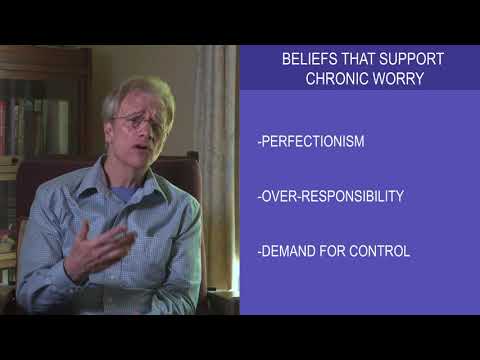
This fear often stems from a few key reasons. Fear of judgment, for example, can stop you in your tracks. You might worry that others will think you’re not knowledgeable or will judge your appearance. Then there’s perfectionism. If you’re someone who feels everything has to be just right, public speaking might feel like a nightmare—a place where mistakes are brightly lit on stage for everyone to see.
So how do you tackle this? Well, there are several effective strategies that can make a real difference.
- Practice regularly: The more you practice your speech or presentation, the more confident you’ll feel. Grab a friend or even talk to yourself in front of a mirror! It may sound silly at first but trust me, you’ll get used to it.
- Breathe deeply: When you’re nervous, your breathing tends to speed up and become shallow. By focusing on deep breaths—like inhaling through your nose and exhaling through your mouth—you calm those nerves down sooner than later.
- Visualize success: Imagine yourself giving the speech brilliantly. See the audience clapping and smiling; it sounds cheesy but visualization can really help set a positive tone.
- Focus on the message: Instead of fixating on how you come across, concentrate on what you’re actually saying. Remember that most people are there to listen to what you’ve got to share—not so much how perfectly you say it.
- Acknowledge your fear: Accepting that it’s normal to be nervous can actually reduce some anxiety! Everyone experiences fear at some point; admitting this takes away some power from it.
You know what’s funny? I once saw a friend freeze during an important presentation; he stood there with his mouth open but no words came out! He took a moment, closed his eyes for a second, took a deep breath, and started again much more confidently. It’s all about finding your groove!
The thing is, overcoming glossophobia takes time and effort—like any other skill worth mastering. So give yourself grace during this journey! You might stumble occasionally (and that’s completely okay), but with persistence and these strategies in hand, you’ll find yourself growing more comfortable with public speaking bit by bit.
The truth is: every time you speak in front of others, it’s like building muscle memory; each experience makes the next one easier! Just remember—it’s okay to be human and imperfect because that’s what connects us all!
Top Medications for Overcoming Public Speaking Anxiety: A Comprehensive Guide
So, let’s chat about something that many people struggle with: public speaking anxiety. You know, that sweaty-palmed feeling when you step up to the mic or face a crowd? It can be a serious obstacle for some. While there are different ways to tackle this issue, sometimes medication can help ease those nerve-wracking moments.
When it comes to medications, they usually fall into a few categories. I’m talking about anxiolytics, beta-blockers, and occasionally antidepressants. Each has its own role in addressing anxiety. Let’s break these down:
- Anxiolytics: These are commonly known as anti-anxiety meds. Benzodiazepines like Xanax or Ativan can help you chill out before a big presentation. They work fast, often just within 30 minutes! But here’s the catch: they can be habit-forming if used long-term.
- Beta-blockers: Medications like Propranolol are often used for heart conditions, but they’re great for performance anxiety too! They help control physical symptoms like rapid heartbeat and shaking hands. People sometimes take these right before speaking engagements to feel more in control.
- Antidepressants: Selective serotonin reuptake inhibitors (SSRIs) such as Zoloft or Paxil may be prescribed if your anxiety is persistent over time. These don’t kick in immediately though; you’re looking at weeks before feeling their effects.
The thing is, medication isn’t a one-size-fits-all fix. What works for one person might not work for another. You’ll want to consult with a healthcare professional who can guide you based on your specific needs and history.
A little personal story here: I remember my friend Dave had massive public speaking anxiety. He tried practicing in front of friends and family but still felt queasy every time he faced an audience. Eventually, he talked to his doctor who suggested trying beta-blockers for an upcoming conference he couldn’t miss. The day of the event came, and guess what? He felt calm enough to deliver his speech without the usual panic!
This doesn’t mean meds are the only answer though! Sometimes combining medication with other techniques like therapy or deep-breathing exercises can make a world of difference. It’s all about finding what suits you best.
If public speaking causes you major distress, don’t suffer in silence. Talk to someone who understands—like a doctor—to find the best approach that could really help make your experiences less stressful.
No matter what path you choose, remember that overcoming public speaking anxiety is totally possible! You just have to find what works for you!
Public speaking anxiety is like that monster hiding under your bed. You know it’s there, but you can’t always see it. It creeps in when you’re asked to give a speech, pitch an idea, or even just share your thoughts in a meeting. I remember this one time back in college, I was standing in front of the class for a presentation. My heart was racing, palms sweaty, and my mind blanked out at the worst possible moment. All I could think about was how everyone was judging me—like they could hear my heartbeat echoing off the walls.
The truth is, these mental barriers often come from fear—fear of being judged, of making a mistake, or even just looking silly. You start imagining embarrassing scenarios that are way worse than anything that’s ever actually happened to you. But here’s the kicker: most people are way more focused on what they’re doing than on you!
So how do you tackle this anxiety? Well, first off, acknowledging that it’s super common helps a ton. It’s not just you; countless people feel the same way. Once you realize you’re not alone in this battle, it starts to feel a bit more manageable.
Next up is practice—lots and lots of it. The more comfortable you get with your material, the easier it becomes to speak about it without feeling like you’re standing on a tightrope over a pit of snakes! And hey, practicing in front of friends or family can really take off some pressure. They’ll cheer you on instead of judging every little hiccup.
Also, don’t shy away from visualizing success before stepping up to that podium or taking the mic. Picture yourself delivering your talk with confidence and ease! It sounds cheesy but seriously works wonders when faced with those pesky nerves.
Remember to breathe too! Taking deep breaths can calm your mind and help bring those runaway thoughts back into focus before you start speaking.
Overcoming public speaking anxiety isn’t about completely getting rid of those nerves; it’s more about learning to manage them so they don’t run wild. Every time you face those feelings head-on—even if it’s just talking in small groups—you become stronger and build resilience.
So next time you’re gearing up for that big speech or presentation? Just remember: you’ve got this! And who knows? That monster might just turn into a harmless little creature once you’ve faced it enough times!