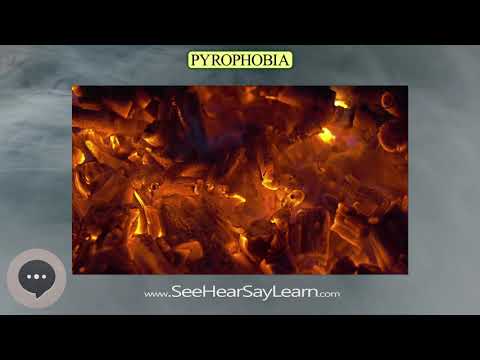
You know that feeling when you see a flickering flame, and it sparks something deep inside you? For some folks, that spark is more like a raging fear.
Pyrophobia—the fear of fire—might sound a bit strange at first. I mean, who wouldn’t enjoy a cozy bonfire or the warmth of a candle? But for those affected, it’s no joke. It can totally take over their lives in unexpected ways.
So why do some people get so freaked out by fire? What’s going on in their heads? Let’s chat about it. Trust me, there’s way more to this than just flames and smoke!
Understanding Pyrophobia: What You Need to Know About the Fear of Fire
Understanding Pyrophobia is all about getting a grip on what this intense fear of fire really means. You know, it’s when the thought of flames, smoke, or anything fiery sends someone into a tailspin of anxiety. It’s not just a little apprehension; it can seriously affect day-to-day life.
So, let’s break it down. Pyrophobia isn’t just about being cautious around fire like most people; it can be an irrational fear that triggers panic attacks. Picture this: you’re at a campfire with friends, and suddenly the flames seem more like monsters than a cozy source of warmth. Your heart races, palms sweat—it’s overwhelming.
Now, there are various reasons someone might develop pyrophobia. Trauma could play a huge role here. Maybe as a kid, they had a bad experience with fire—like getting too close to a sparkler or witnessing a house fire. This kind of incident can embed itself deep in their mind.
It’s also interesting how something called classical conditioning works in these cases. Basically, if you see something scary (like flames) and feel fear during that moment (like when there’s an accident), your brain might start to link the two together. So now every time you think about fire, your body goes into panic mode.
Now let’s chat about symptoms. People with pyrophobia experience more than just fear; they may have:
- Rapid heartbeat: The heart feels like it’s racing at full speed.
- Sweating: Like when you walk past the grill at a summer barbecue.
- Nausea: That gut-wrenching feeling when anxiety hits hard.
- Avoidance behavior: Steering clear of anything that involves fire—like avoiding fireplaces or even candle-lit dinners.
The severity varies per person. For some, it might just be uncomfortable; for others, everyday life becomes tough because they change their routines to avoid potential triggers.
Treatment options do exist! For folks looking for ways out of this situation, therapy tends to help quite a bit. Cognitive-behavioral therapy (CBT) is common and focuses on changing negative thought patterns related to fire and helping individuals face those fears gradually.
Another method that may come into play is exposure therapy—where they’re slowly introduced to their fears in safe environments until they learn how to cope better with their feelings.
So really what we’re trying to do here is understand pyrophobia as not just “fear of fire” but as an intricate issue tied up with experiences and mental processes that go way deeper than merely avoiding flames. It affects real people who need understanding and support in facing their fears head-on!
Exploring Instinctive Fears: Are Humans Hardwired to Fear Fire?
When you think about it, fear is kind of our brain’s way of protecting us, right? But have you ever stopped to wonder if some fears are just built into us? Like, let’s look at pyrophobia—yep, that’s the fancy term for the fear of fire. It’s more common than you might think!
What Makes Fire So Scary?
Fire has been around for ages. Our ancestors learned to control it, but they also knew it could be super dangerous. Imagine living in a time when fire was unpredictable. They probably saw things like wildfires or accidental burns. It makes sense that those experiences would create a deep-rooted fear, don’t you think?
So yes, in a way, humans might be hardwired to fear fire. The thing is, this fear likely developed as a survival mechanism. If early humans got too close to flames without understanding them, well… they didn’t live long enough to tell the tale! Even today, when we’re around fire, something instinctual kicks in.
How Does Pyrophobia Show Up?
Now let’s talk about how this fear manifests in people who struggle with pyrophobia. It isn’t just like being cautious; it can really take over someone’s life! Some folks might feel dizzy or break into a cold sweat at the thought of being near a campfire or even seeing flames on the TV! Like one person said that just the sight of fire made her stomach drop.
There’s also this feeling of losing control when someone faces an open flame. You know how sometimes your mind races and you can’t calm down? Well, that happens with pyrophobia too—it’s like your brain flips a switch and suddenly you’re overwhelmed.
The Role of Evolution
You might wonder why some people develop these intense fears while others just feel cautious—well, it’s complicated! Some researchers say our reactions could be traceable through evolution. Those who were more cautious around potential dangers like fire lived longer and passed on their genes—or maybe they taught their kids not to play with matches!
It’s all about your experiences too. Maybe as a child you had an accident involving fire; that could set off lifelong anxiety whenever there’s something hot around.
- Genetics: Some studies suggest certain phobias can run in families.
- Cultural Factors: Different societies have varying levels of exposure to fires and flames.
- Personal Experiences: Traumatic events related to fire can trigger intense fears.
You’re Not Alone!
If you’re reading this and thinking, «Whoa, I relate!»—just remember there are tons of people with similar feelings. Awareness is key; knowing where these fears come from can help even if it’s still difficult when faced with flames.
In summary, while we might not all freak out at the sight of fire like some people do, there’s definitely something primal going on here! So next time you roast marshmallows or watch fireworks light up the sky from afar—maybe acknowledge that little instinct inside us all saying “Whoa there!
Effective Strategies for Managing Pyrophobia: A Comprehensive Guide
Dealing with pyrophobia, or the fear of fire, can be a bit tricky. It’s one of those fears that can really get under your skin and affect day-to-day life. Imagine being at a campfire with friends, but all you can focus on is that flickering flame, making your heart race. It can feel isolating, but there are ways to manage it effectively.
First off, understanding the origins of your fear is crucial. Maybe you had a traumatic experience related to fire—like witnessing a house fire or getting burned when you were little. These experiences can stick with us and shape our reactions. Recognizing this helps in addressing the fear more compassionately.
Another strategy is exposure therapy. It sounds intense, but it’s actually about gradually exposing yourself to what scares you in a controlled way. You might start by simply looking at pictures of fire or watching videos of controlled burns. The idea is to slowly build your tolerance and desensitize yourself to the image or idea of fire without jumping into the deep end too fast.
Cognitive-behavioral therapy (CBT) is another effective method that focuses on changing negative thought patterns associated with your fear. For instance, instead of thinking “I can’t be near fire; it will hurt me,” you might reframe it to “Fire can be managed safely.” This process takes some time, though it can lead to significant improvements.
Now, let’s not forget about relaxation techniques. Managing anxiety through deep breathing exercises or mindfulness meditation can help you calm down when those panic feelings kick in. When you’re feeling overwhelmed by your fear, take a moment to breathe deeply—inhale for four counts, hold for four, then exhale for four counts. It sounds simple, but it’s surprisingly effective.
You might also want to educate yourself about fire safety. Understanding how firefighters control fires and knowing what precautions are taken during emergencies may help reduce some fears around unpredictability.
Lastly, connecting with others who understand what you’re going through can be super helpful too. Whether it’s support groups or online forums, just talking about your experiences can ease that sense of isolation I mentioned earlier.
So remember: managing pyrophobia isn’t something that happens overnight. It takes time and effort to work through fears and adjust how we think about them. With patience and determination (and maybe some help along the way), you really can learn to navigate life without letting fire control you!
So, let’s talk about pyrophobia, which is basically the fear of fire. You might think of it as just a quirky phobia, but it can really shake things up in a person’s life. I mean, imagine you’re at a campfire with friends, everyone’s roasting marshmallows and laughing, and you’re sitting there feeling completely on edge because of this fear. It’s more common than you’d think!
People often develop this fear after having a bad experience with fire—maybe they were burned as a child or witnessed a house fire. I remember my friend telling me about how her little brother accidentally started a small fire in their backyard when they were kids. It was scary, and even though no one got hurt, she never liked being around flames after that. That kind of stuff sticks with you.
The psychological angle is pretty interesting too! A lot of fears like pyrophobia are linked to anxiety disorders. When someone has an irrational fear like this, their brain kinda goes into overdrive thinking about all the “what ifs.” What if the fire spreads? What if I can’t escape? These thoughts can hijack your emotions and create an overwhelming sense of panic.
But here’s something cool: understanding where this fear comes from can really help people manage it better. Some folks turn to therapy or techniques like exposure therapy—which sounds daunting but can be super effective. The idea is that gradually facing your fears in a safe environment might help lessen the anxiety over time.
And yeah, it’s not only about managing risk; it’s also about understanding our emotional responses to situations we find threatening. Fire is powerful, right? It symbolizes both creation and destruction—it keeps us warm but can also destroy homes and lives in an instant.
So when we talk about something like pyrophobia, we’re not just looking at a simple fear; we’re diving into deeper psychological mechanisms that show how our experiences shape us. Learning about these fears gives us insight into human behavior and reactions.
All things considered, whether you’re afraid of fire or just don’t want to get too close to those campfire flames, recognizing those feelings is the first step toward dealing with them. We’re all navigating our own paths through life; some have fires along the way—literal or metaphorical—and understanding those fires makes us better equipped to handle them!