You know, mental health can be pretty complicated sometimes. We hear a lot about different personality disorders, but there’s one that really flies under the radar.
It’s called Quiet BPD or borderline personality disorder. Sounds heavy, right? But here’s the thing: it often gets overlooked because it doesn’t always look like what we expect.
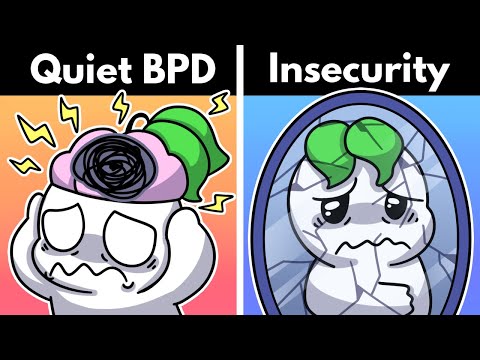
Imagine someone who seems calm on the outside but is drowning inside. That’s kind of what Quiet BPD feels like. It’s not just about being emotional or volatile; it’s more subtle than that.
So grab a seat and let’s unpack this together! It might just resonate with you or someone you know in a way you didn’t expect!
Understanding the Challenges of Quiet BPD: Insights and Strategies for Coping
Quiet BPD, or Quiet Borderline Personality Disorder, often feels like an invisible fight. Unlike the more recognizable symptoms of BPD—like intense outbursts or impulsive behavior—those with Quiet BPD tend to internalize their emotions, making their struggles less visible. Imagine feeling like you’re walking through a crowded room but no one can see your pain. It’s tough, right?
One of the main challenges is emotional dysregulation. You might feel these overwhelming emotions, but instead of expressing them outwardly, you bottle them up. This can lead to feelings of guilt and shame when you think others don’t understand what you’re going through. I remember a friend telling me about her experience with this; she felt so much anger inside but couldn’t voice it, fearing she’d be seen as dramatic or overreacting.
- Feelings of emptiness: Many struggling with Quiet BPD often feel empty or lost. That rollercoaster of emotions can leave you drained and wondering if there’s something inherently wrong with you.
- Fear of abandonment: There’s a constant fear that people will leave or abandon you if they knew how you really felt. This can lead to silent withdrawal rather than reaching out for help.
- Anxiety and depression: These often go hand in hand with Quiet BPD. The pressure to hide what you’re feeling can lead to increased anxiety and depressive episodes.
- Self-criticism: You might find yourself constantly critiquing your thoughts and feelings, leading to a damaging cycle where you’re never quite good enough.
Coping strategies are vital for managing these challenges. For starters, written expression might help you process those buried feelings. Try journaling about your emotions without judgment—just let it all out on paper! Letting your thoughts flow can be cathartic.
Also, consider mindfulness practices. These help in grounding yourself when emotions feel too big to handle. Techniques like deep breathing or focusing on your surroundings can bring some relief from those chaotic thoughts swirling in your head.
If you’ve got someone in your life who you trust, try practicing communication skills. Even if it’s tough to share how you’re feeling initially, talking about things little by little can build that bridge of understanding over time.
You know what? Remember that it’s okay not to have everything figured out all at once. Taking small steps is still progress! You’re navigating difficult waters, and recognizing that is already a huge deal.
If this resonates with you, just know there’s support out there—even if it feels like the world isn’t seeing your struggles right now. Every bit counts when it comes to finding ways to cope and eventually thriving despite the challenges that come with Quiet BPD!
Understanding Quiet BPD Implosion: Symptoms, Impacts, and Strategies for Management
Quiet BPD, or Borderline Personality Disorder, often flies under the radar. Many people associate BPD with impulsive behaviors and emotional outbursts. But, there’s this other side that’s, well, quieter. The term “implosion” comes into play when we talk about how emotions are handled inside rather than expressed outwardly.
So, what does it look like? Someone with Quiet BPD might not be throwing tantrums or visibly upset. Instead, you might notice them feeling intense emotions internally while appearing calm on the outside. Imagine a bottle of soda shaken up but still capped—it’s all that fizz trapped inside just waiting to burst.
Here are some common symptoms of Quiet BPD:
- Emotional Numbness: Sometimes they feel disconnected from their feelings.
- Chronic Feelings of Emptiness: It’s like there’s a void that never quite fills up.
- Poor Self-Image: They tend to have a distorted view of themselves.
- Intense Fear of Abandonment: This can lead to self-isolation to avoid potential hurt.
- Avoidance of Emotional Expression: Instead of sharing feelings openly, they keep it all inside.
The impact can be pretty heavy too. Because these feelings and perceptions are bottled up, it can lead to self-destructive behaviors. You know when you’re stressed and you start binge-watching shows instead of dealing with your problems? That’s kind of what happens here on a much deeper level. These individuals might engage in harmful thought patterns or even self-harm as a coping mechanism.
Think about someone who has had a rough week and just stays silent at home instead of talking about it. They might feel overwhelmed by their thoughts but won’t voice those concerns—creating an inner turmoil that feels impossible to manage.
Now, the big question: how do you manage Quiet BPD? While it’s essential to consult professionals for guidance, there are some strategies that people have found helpful:
- Acknowledging Your Feelings: The first step in dealing with any emotions is recognizing them. Even if it feels hard!
- Coping Skills Development: Experimenting with breathing exercises or journaling can help express those bottled-up emotions more constructively.
- Talking About It: This may sound simple but finding someone you trust to share your feelings can lighten the load.
- Cognitive Behavioral Techniques: These methods aim at changing negative thought patterns into more constructive ones—you basically train your brain!
- Self-Compassion Practices: Instead of being hard on yourself for feeling this way, try treating yourself as you would a friend going through rough patches.
So yeah, living with Quiet BPD isn’t easy for anyone involved. It’s about navigating these invisible struggles and finding ways to express what’s happening inside without exploding outwardly. With time and support—whether from friends or professionals—it’s totally possible to find some peace in the chaos!
Uncovering the 11 Subtle Indicators of Quiet Borderline Personality Disorder
Borderline Personality Disorder (BPD) has a louder, more recognizable sibling—what’s known as Quiet BPD. It’s like the quieter cousin at family gatherings, silently struggling while everyone else seems to be getting all the attention. So, what are these subtle indicators that might hint someone is dealing with Quiet BPD? Let’s break it down.
1. Intense Emotions
People with Quiet BPD often feel emotions incredibly deeply. It’s like riding a rollercoaster without the safety bar! You might not see them express this outwardly, but inside, there’s a storm brewing.
2. Fear of Abandonment
Even if it seems calm on the surface, this fear can run wild underneath. It’s like they have a constant worry that people will leave them—even if no one’s given them any reason to think so.
3. Self-Sabotage
Quiet BPD often comes with an internal critic that says you’re not good enough. This can lead to people pushing away relationships or opportunities even when they want to succeed.
4. Difficulty Expressing Needs
A lot of folks with this type of BPD struggle to speak up about what they need or want. Imagine being in a room full of people and feeling invisible—that can be their reality sometimes.
5. Emotional Numbness
You know those days when you just feel “blah”? For someone with Quiet BPD, this emotional numbness might be a regular thing—a protective mechanism against feeling too much pain.
6. Internalized Anger
This anger doesn’t always bubble to the surface; often, it gets turned inward instead—leading to feelings of shame or guilt that can be really tough to shake off.
7. Self-Harm or Suicidal Thoughts
Sometimes this quiet suffering may result in self-harm—often as a way to cope with emotional pain because expressing it feels too overwhelming otherwise.
8. Isolation
They might choose to withdraw from friends and family due to feeling misunderstood or judged—which only makes things worse in the long run, feeding into loneliness and despair.
9. Overthinking Relationships
If you notice someone analyzing every little detail of their interactions endlessly—that could point towards Quiet BPD tendencies lurking beneath their calm exterior.
10. Feeling Like an Outsider
There’s often an overwhelming sense of not fitting in, which can make social situations quite challenging; it’s like being at home but still feeling out of place in your own life!
11. Perfectionism
This is where people set excessively high standards for themselves in hopes that achieving perfection will ease their inner turmoil—spoiler alert: it usually doesn’t end well!
So yeah, these indicators paint a picture of how complex and tough life can be for someone dealing with Quiet Borderline Personality Disorder. It may not always look how we expect mental health struggles to look—but it’s definitely real and valid!
So, let’s talk about the whole idea of “silent struggles,” specifically around this thing called Quiet BPD or Borderline Personality Disorder. It’s kind of mind-blowing when you think about how many people go through life feeling like they’re in a constant internal battle, and yet they look totally fine on the outside.
I remember a friend who always seemed happy-go-lucky. She was that person who could light up a room with her laughter. But behind that smile, she often felt empty and struggled with intense emotions—like, one minute she’d be okay, and the next she’d be on the edge. It wasn’t until much later that I found out she was dealing with Quiet BPD. You know? The kind where folks don’t lash out or have huge mood swings; instead, they internalize all these feelings and thoughts.
With Quiet BPD, people might grapple with their identities or feel really disconnected from others but put on a brave face to the world. It can be super confusing because it doesn’t fit the typical mold of what people think BPD looks like. They’re often afraid of being abandoned but can’t express it directly because they don’t want to bother anyone or seem weak.
It’s kind of wild when you think about how society often expects us to wear our emotions on our sleeves. But for those who struggle quietly, it’s like being in this invisible prison. They may even overanalyze every little interaction or worry endlessly about what others think of them—like they’re walking on eggshells inside their own heads.
And here’s something that really hits home: while they might not be screaming for help, they still need it just as much as anyone else would in a more outwardly expressive way. The need for understanding and compassion doesn’t change just because it’s not shouting from the rooftops.
When we acknowledge these silent struggles more openly, we create a space where those dealing with Quiet BPD can feel seen and understood—without judgment or stigma. It’s pretty vital to recognize that everyone’s emotional landscape is different, right? By lending an ear or simply being there without expectations or pressures, we might help lighten someone else’s load—even if they never say a word about it.
So yeah, life can seem so complicated sometimes; there’s so much going on beneath the surface that we rarely get to see. And maybe taking a moment to understand that everyone’s fighting their own battles could make us all a little kinder to one another—including ourselves!