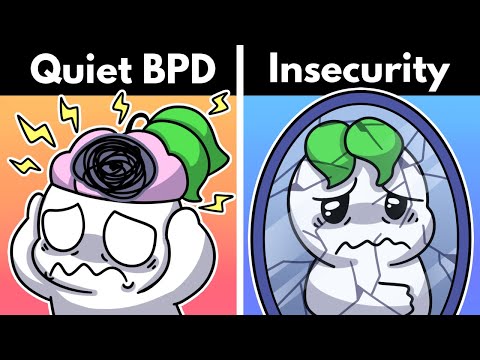
You know, there’s this thing called Quiet BPD. It’s not something you hear about every day, right?
Most people think of Borderline Personality Disorder and picture all the obvious signs. But Quiet BPD? It hides in the shadows.
Imagine feeling intense emotions but keeping them under wraps. Like, you’re struggling inside while smiling on the outside. Yeah, it’s tough.
What happens when you can’t express those feelings? You might feel invisible or misunderstood. That’s where it gets tricky.
Let’s unpack this together and shed some light on what it really means to live with Quiet BPD. There’s more to it than meets the eye, trust me.
Understanding Quiet BPD Implosion: Symptoms, Causes, and Coping Strategies
Quiet Borderline Personality Disorder (often called Quiet BPD) isn’t as well-known as the more “classic” form of BPD. But it’s got its own set of challenges, and understanding it can really help in navigating its complexity. So what exactly is it?
First off, **Quiet BPD** refers to a type of Borderline Personality Disorder where the symptoms aren’t as flashy or overt. Instead of being outwardly expressive, people with Quiet BPD might internalize their feelings. You know how sometimes you feel like you’re on a rollercoaster inside while you look perfectly calm on the outside? That’s kind of what happens here.
### Symptoms
The symptoms can be tricky to spot because they often manifest subtly. Here are some of the main ones:
It’s important to realize the emotional turmoil can be massive, even if it’s not always outwardly visible. One friend told me she felt like she was constantly battling an unseen monster—its presence registered only in her thoughts and feelings, never erupting into external chaos.
### Causes
So why does Quiet BPD happen? There isn’t one single answer; it’s usually a mix of factors:
What happens is that these factors create a foundation for intense emotional responses that get bottled up over time until they become hard to manage.
### Coping Strategies
Learning ways to cope is crucial. Here are some strategies that could help:
Picture this: when you’re sitting quietly with all those racing thoughts, taking even five minutes to focus on your breath can create a tiny bubble of peace—even if just for a moment.
In essence, understanding Quiet BPD means recognizing that while someone may appear calm on the outside, there might be an entire universe of emotion underneath. It’s complicated but not impossible to work through! By being aware and seeking appropriate coping strategies, navigating life with Quiet BPD becomes more manageable. Remember—you’re not alone in this struggle!
Understanding the Trauma Behind Quiet BPD: Causes and Insights
Quiet Borderline Personality Disorder (BPD) can feel like a hidden struggle. While many people associate BPD with intense emotional outbursts and dramatic behavior, those with *quiet BPD* often experience their trauma in silence. It’s a complex emotional turmoil that, at first glance, may not seem to fit the BPD stereotype. So, let’s break it down.
What is Quiet BPD?
Quiet BPD refers to a subtype of borderline personality disorder where individuals internalize their feelings rather than displaying them outwardly. You might feel intense emotions but keep them bottled up. This can lead to feelings of shame, loneliness, and confusion. Sometimes, you might even feel like you’re living in a shadow of your own life.
Causes of Quiet BPD
The roots of quiet BPD usually lie in early experiences. Here are some contributing factors:
The Silent Struggle
Living with quiet BPD can be incredibly isolating. It’s like being in a party but feeling alone in a crowd. Imagine having friends around but not feeling comfortable enough to share what’s truly going on inside your head.
You might frequently feel empty or disconnected from others yet struggle to articulate those feelings aloud. There’s also this constant fear of abandonment lurking beneath the surface—something that can keep you up at night!
Coping Mechanisms
While coping with quiet BPD isn’t easy, many people find strategies that help. Here are a few examples:
The Road Ahead
Understanding the trauma behind quiet BPD is crucial for healing but remember—it’s okay if progress takes time! You’re not alone in this journey; acknowledging these struggles opens doors for self-discovery and growth.
Whether it’s through therapy—where you learn healthy emotional expression—or simply talking to someone who understands its complexities—every step counts! Just know that your silent battles deserve recognition and understanding.
In short: don’t let the world silence you! Your voice matters just as much as anyone else’s; finding ways to express what you feel inside can lead to greater peace and understanding within yourself and toward others too.
11 Subtle Indicators of Quiet Borderline Personality Disorder You Need to Know
Quiet Borderline Personality Disorder (BPD) is one of those things that can fly under the radar, you know? It doesn’t always look the same as the more familiar or stereotypical types of BPD. If you think about someone with Quiet BPD, they might seem shy or withdrawn, rather than explosive or dramatic. This can make it tricky to spot, especially for those around them.
Here are some subtle indicators that someone might be dealing with Quiet BPD:
- Emotional Dysregulation: They might swing between feeling empty and overwhelmed. Imagine having a rollercoaster of emotions but trying to keep a straight face on the outside.
- Fear of Abandonment: This is huge! Even if they don’t express it openly, they could constantly worry about people leaving them. You might catch them overthinking texts from friends or loved ones.
- Self-criticism: Quiet BPD folks often have this inner voice that’s really harsh. They can be their own worst critic and struggle with feeling inadequate.
- Avoidance: Instead of confronting issues head-on, they may choose to withdraw. So instead of talking about conflict, they avoid it completely, which can create distance in relationships.
- Chronic Feelings of Emptiness: You know that sensation when nothing seems fulfilling? That’s what these individuals often feel deep down. It can be a struggle just to find joy in everyday moments.
- Dissociation: When life gets too overwhelming, they might mentally «check out.» This could feel like zoning out during conversations—just not really being present.
- Sensitivity to Criticism: Any hint of criticism can feel like a personal attack. They may react strongly even when feedback is meant to be constructive.
- Anxiety and Depression: Many people with Quiet BPD experience high levels of anxiety and depression which sometimes co-exist without ever being addressed together.
- Difficulties in Relationships: Maintaining relationships may feel exhausting for them because they’re afraid they’ll scare others away by being too needy or intense. So they might just keep quiet instead!
- Coping through Subtle Self-harm: This isn’t always physical; it could manifest through things like procrastination or excessive self-blame which are harder to spot compared to more visible self-harm methods.
- Narrow Range of Emotions: Although their emotions can swing wildly internally, on the outside they often appear quite subdued or bland. You know how some people just seem “meh”? That could be part of it!
Recognizing these signs in yourself or loved ones isn’t easy! People often put up walls so others can’t see what’s really going on inside their heads. If you ever notice these behaviors, take a moment to empathize and understand this struggle that’s often hidden beneath the surface.
Remember, everyone’s got their battles; sometimes it’s not just black and white. Quiet BPD is complex—if you suspect someone might deal with it, approaching them openly and kindly could help break down some walls!
So, let’s take a second to talk about this thing called Quiet Borderline Personality Disorder (BPD). You know, when we think of BPD, we often picture someone who’s super expressive or emotionally volatile. But there’s this other side that doesn’t get as much attention—those folks who are really good at keeping things bottled up inside.
Imagine someone sitting quietly at a party, smiling and nodding along while they’re actually feeling totally overwhelmed. That was me not too long ago. I remember this one time I was at a friend’s birthday bash. Everyone was laughing, and I felt like I should be enjoying myself too. But inside? Oh boy… it was like a storm just brewing away. I kept thinking, “Am I even allowed to feel this way?”
This concept of Quiet BPD is tricky because it sneaks under the radar. People might think you’re doing great since you’re not outwardly showing signs of distress. But actually, you could be struggling with intense fears of abandonment, self-hatred, or even this crippling emptiness—all while appearing perfectly fine on the outside.
What’s even crazier is that these inner battles can lead to some serious coping mechanisms that might not look like the typical emotional outbursts associated with BPD. You might see them retreating into themselves or engaging in self-reflection but in ways that don’t always feel healthy. It’s kind of like being stuck in your own head without anyone knowing how tough it really is.
And then there’s the isolation factor. Since people often don’t recognize the pain behind those quiet faces, it can become harder for them to reach out for help—or feel worthy of support in the first place. This makes sense when you realize how much weight we put on emotional expression in society.
But here’s where things get hopeful: understanding Quiet BPD can help shift perceptions and create space for those hidden struggles to be acknowledged. We all deserve a space where our feelings—no matter how quietly they manifest—are valid and understood.
In all honesty, shining a light on these silent struggles may inspire more conversations around mental health and encourage others to speak up about their experiences too—even if they come from that quieter place within themselves where fear often resides.
So yeah, next time you’re hanging out with someone who seems fine but maybe isn’t feeling so hot inside, remember—the struggle might be silent but real nonetheless. It’s all part of what makes us human!