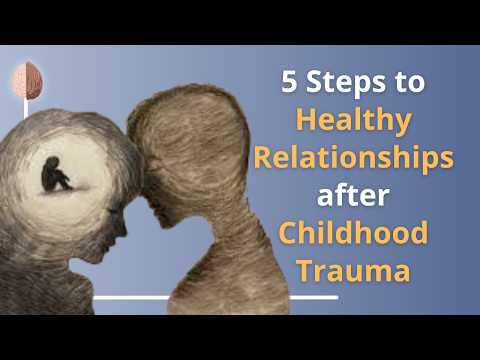
You know, we all have our baggage, right? Some of it’s heavy, some of it’s lighter, but childhood wounds? They can really stick around. It’s wild how something that happened when we were little can affect us as adults.
Maybe you’ve got that weird feeling when you’re triggered by something that reminds you of your past. Or perhaps you notice patterns in your relationships that make you think twice. Yeah, it happens to a lot more people than you’d think.
The thing is, healing from these old scars isn’t about forgetting or pretending like they didn’t happen. It’s more like learning to dance with those experiences instead of letting them drag us down.
So let’s chat about this—how these childhood moments shape who we are today and what steps we can take to truly heal. Because seriously, understanding ourselves better is the first step toward feeling better.
Understanding the Symptoms of Repressed Trauma in Adults: Key Insights and Awareness
So, let’s chat about repressed trauma and how it can show up in adults. You know, those experiences from childhood that kind of get stuffed away in a corner of your mind? Yeah, those can stick around and affect you way more than you might think. Here’s the lowdown on what to look for.
What is Repressed Trauma?
Repressed trauma is when painful memories or feelings are pushed down into our subconscious. This usually happens because we’re not ready to deal with them, or they’re just too overwhelming at the time. It’s like shoving a beach ball underwater—eventually, it’s gonna pop back up.
Common Symptoms
People don’t always realize they’re dealing with repressed trauma until it manifests in different ways. Some key signs include:
- Anxiety: You might feel constantly on edge without really knowing why.
- Depression: Little things that used to bring you joy may not seem to matter anymore.
- Emotional Outbursts: You could find yourself getting angry or upset over small issues.
- Avoidance: Staying away from certain places, people, or even conversations that remind you of your past.
- Dissociation: Feeling detached from your body or surroundings; it’s like watching your life from a distance.
- Physical Symptoms: Headaches, stomach issues, and other health problems can also stem from emotional pain.
Anecdote
I remember chatting with a friend who seemed so distant at times. She mentioned feeling anxious but couldn’t pinpoint why she felt that way. After some digging (not forcing her—just talking casually), she realized her anxiety connected back to some stuff her parents went through during her childhood—stuff she never really processed. It hit me how these hidden feelings could sneak into everyday life.
The Connection to Childhood Wounds
Childhood trauma often involves situations like neglect, abuse, bullying, or losing a loved one too soon. When kids experience these kinds of things, they might cope by burying their feelings deep down to survive and move on. But as adults? Those buried emotions don’t just vanish; they often resurface when you least expect them.
Acknowledging the Feelings
Recognizing you might have repressed trauma is the first step towards understanding yourself better. It can be tough work! But getting real with yourself can help surface those feelings in a safe way.
You don’t have to take this journey alone either! While I’m not talking about therapy here—getting support from friends or even professionals (when you’re ready) can be super beneficial in processing those emotions.
So yeah, repressed trauma isn’t just “in your head.” It’s real stuff that affects your entire life. The more aware you become of these symptoms and how they relate to your past experiences, the better equipped you’ll be to face whatever’s been lurking in there. Take it one step at a time—you’ve got this!
Exploring Healing Paths: Overcoming Childhood Trauma and Reclaiming Your Life
Childhood trauma can seriously mess with your head. You know, those experiences that leave scars you can’t see? They can shape how you feel, think, and interact with the world. But the good news? There are ways to heal and reclaim your life.
First off, it’s crucial to acknowledge the trauma. Ignoring it doesn’t make it go away; instead, it lingers in your mind like an unwanted guest. Maybe you’ve experienced something as intense as abuse or as subtle as emotional neglect. Whatever it is, validation is key. Recognizing that what happened to you matters is a giant first step.
Now, let’s talk about understanding your feelings. After a traumatic experience, you might find yourself feeling angry or scared for no apparent reason. It’s like your brain has gone into overdrive trying to protect you from harm. This emotional rollercoaster can be overwhelming! You might feel numb one day and super sensitive the next.
Finding safe spaces to express these emotions can really help. Some people turn to friends or family who listen without judgment. Others might find writing their thoughts down in a journal cathartic—sometimes putting pen to paper helps release bottled-up feelings.
Another helpful path? Therapy. Seriously! Speaking with someone trained in understanding childhood trauma can be healing. It’s a private space where you can delve into your experiences at your speed. A good therapist will guide you through processing those memories and finding healthier ways to cope.
Plus, mindfulness practices, like meditation or yoga, have gained popularity as effective healing tools too! These practices help ground you in the present moment instead of getting lost in past traumas—or spinning out over anxiety about the future.
Social support also plays a massive role in healing from childhood wounds. Surrounding yourself with people who understand what you’re going through or have been through similar situations creates a sense of belonging. Support groups can provide a great sense of community; knowing you’re not alone feels empowering!
But healing isn’t linear—it comes with ups and downs, twists and turns! Some days you’ll feel strong enough to tackle the world; other days will feel heavy like you’re carrying the weight of invisible stones on your shoulders. And that’s okay.
One vital part of this journey is self-compassion. Be gentle with yourself when things feel hard; it’s normal for progress to take time! Celebrate small victories—like talking about an experience that once seemed too painful or discovering something new about yourself that excites you!
And remember: healing from childhood trauma is possible! With patience and effort, you can reclaim joy and find peace within yourself again.
In short, overcoming childhood trauma involves recognizing its impact on your life, processing those feelings safely through various means like therapy and mindfulness practices, building robust social connections for support, embracing ups and downs during recovery while practicing self-compassion along the way – leading ultimately towards **reclaiming** a happier life filled with hope again!
Understanding the 5 Emotional Wounds of Childhood: A Guide to Healing and Growth
Thinking about childhood, there’s no doubt it can shape us in huge ways. The thing is, the experiences we have—not just the good stuff, but the tough moments—can leave emotional wounds that stick around for a long time. So, let’s take a look at five common emotional wounds from childhood and how they affect us as we grow up.
1. Abandonment Wound: This wound comes from feelings of being abandoned or neglected by caregivers. Maybe your parents had to work a lot or you felt left out among peers. It can lead to a fear of rejection later on. For instance, someone with this wound might struggle to trust others in relationships, always fearing that people will leave them.
2. Shame Wound: This one is all about feeling like you’re not good enough or being shamed for your actions or feelings. Picture this: as a kid, if you were often compared to siblings or peers and didn’t measure up, that can stick with you! Later in life, this could show up as low self-esteem or chronic self-doubt.
3. Betrayal Wound: If someone important in your life breaks your trust—like a parent lying or not keeping promises—that creates a betrayal wound. You might feel like you can’t rely on anyone again. You follow me? This tends to create issues in relationships where the person might struggle to open up fully due to fear of being hurt again.
4. Injustice Wound: Sometimes kids experience unfair treatment, whether it’s favoritism among siblings or being punished unjustly at school. This can lead to rage and resentment toward authority figures later on in life because the person feels they were cheated out of fairness.
5. Humiliation Wound: Ever been embarrassed in front of your peers? That’s where this wound stems from! Whether it’s through bullying or just awkward situations that stuck with you, humiliation can lead to anxiety and proper social interactions as an adult.
The beauty here is that acknowledging these wounds is the first step towards healing them! By recognizing how these past experiences shape current behaviors and emotions, we can start making changes for ourselves.
Start by talking about these feelings with trusted friends or journaling—stuff like that can help untangle those old emotions!
You see? We’re all on this journey together trying to make sense of our past while moving forward into brighter days ahead!
Healing from childhood wounds is a journey that can feel both heavy and freeing. We all have those moments from our youth that stick with us, right? It’s like they shape how we see ourselves and the world around us. I remember this one time when I was about eight years old, I did something silly in front of my friends. Instead of laughing it off, they teased me mercilessly. It wasn’t just a fleeting moment; it became this nagging thought in the back of my head – “What if I’m not funny?” You know what I mean?
So, what’s wild is how these things from childhood linger, reshaping our self-esteem or how we build relationships later on. The psychological perspective on this is pretty eye-opening. According to psychologists, early experiences can leave emotional imprints that affect our adult lives. That annoying voice in your head? Might just be a remnant of something that happened years ago.
When you start digging into these childhood wounds, it’s not all sunshine and rainbows. It can get messy and uncomfortable, but understanding the root of your feelings is crucial for healing. It’s sort of like peeling an onion—yeah, there are layers to it! You might feel a bit teary-eyed at times because honestly, confronting past hurts isn’t easy.
But here’s the thing: acknowledging those pains can be incredibly empowering! Once you recognize where some of your feelings are coming from, you can begin to challenge those old beliefs. So if you’ve ever caught yourself thinking “I’m not enough” or “I don’t belong,” take a beat and think about why those thoughts are floating around.
It’s also interesting how some folks choose different paths to heal—maybe it’s through therapy or journaling or simply sharing stories with trusted friends. Whatever route you take, remember healing isn’t linear; it’s more like a patchwork quilt—some pieces fit perfectly while others might be frayed at the edges.
In essence, embracing your past doesn’t define who you are; rather enhances your growth. You’ve got the power to rewrite your story!