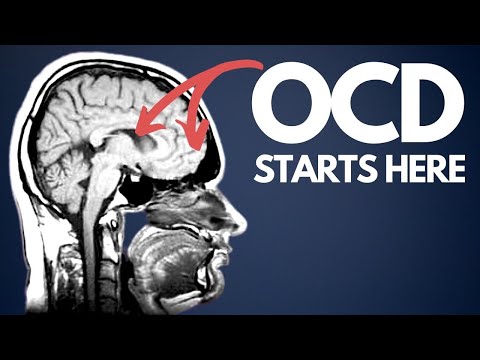
You know how sometimes you feel a little off, like your brain just won’t chill? Yeah, that’s what OCD can feel like.
I stumbled upon this wild world of Reddit’s OCD community, and it’s a game-changer. Seriously, people there share their stories, tips, and struggles in ways that just hit home.
It’s raw and real. You see folks grappling with their thoughts and feelings but also finding bits of hope. The way they connect is kinda beautiful, honestly.
So let’s dig into some of those psychological gems they’ve dropped. It might just give you a new perspective on what it means to live with OCD—or help you understand someone who does.
Exploring OCD Recovery: Insights and Experiences from Reddit Communities
OCD, or Obsessive-Compulsive Disorder, can feel like a real rollercoaster ride. For those grappling with it, the journey to recovery is often filled with ups and downs. Recently, there’s been a lot of chatter in Reddit communities about experiences and insights that people have shared. Let’s dig into that!
First off, what’s really striking is how supportive these online communities can be. People come from all walks of life and share their stories. You see folks talking about their struggles with daily tasks that seem simple to outsiders but feel monumental to them. It’s like having a big weight on your chest. One person described how even turning the doorknob could trigger intense anxiety because they worried about germs or leaving things “just right.”
Many Reddit users emphasize the importance of exposure and response prevention (ERP), which is often used in therapy for OCD. This involves gradually facing fears without engaging in compulsive behaviors. One guy recounted how he would walk up to a public restroom but had to resist the urge to wash his hands multiple times afterward. It wasn’t easy, but slowly facing that fear became part of his recovery.
- Anecdotes help: Someone shared that each small victory felt like climbing a mountain. They started by just touching a doorknob without freaking out.
- The role of medication: Some folks mentioned medications as part of their journey, which can help balance brain chemistry, making it easier to tackle symptoms.
- Community support: The camaraderie is real! People swap tips for handling tough moments or share coping mechanisms they’ve found helpful.
- Coping strategies: Many talked about mindfulness techniques and journaling as ways to process thoughts rather than letting OCD take the driver’s seat.
You know, it’s also interesting how different people resonate with various methods for coping with OCD. While some find solace in professional therapy or meds, others turn to self-help books or even creative outlets like art or music. One user shared that painting helped channel anxiety into something beautiful instead of letting it fester inside.
Another common theme is gratitude towards those who’ve come before them in these communities who bravely shared their stories. This kind of transparency allows people new to this journey feel less alone—it creates this huge sense of belonging where everyone understands each other’s battles on some level.
You can see it’s not just about the struggles; it’s also about celebrating progress, no matter how small. Whether it’s taking three steps toward overcoming anxiety one day at a time or learning something new about themselves through this process—every little win matters!
This dive into Reddit shows that while recovery from OCD might not be linear and can have setbacks, having someone else understand your battles makes all the difference—seriously! The stories from these communities remind us there’s hope out there and we’re never truly alone in our challenges.
Understanding Intrusive Thoughts in OCD: Insights from Reddit Discussions
Intrusive thoughts can be one of the most challenging aspects of OCD, and if you’ve ever browsed through Reddit discussions on this topic, you probably found a mix of shared experiences and insights. Many users open up about their struggles with these unwanted thoughts, creating a community that feels connected through similar challenges. Intrusive thoughts aren’t just random; they can feel like they’re attacking your mind, often leading to anxiety or discomfort.
So, what exactly are these intrusive thoughts? Well, they’re basically those pesky mental images or ideas that pop into your head uninvited. They often revolve around fears or worries that contrast sharply with your values. For example, someone might suddenly picture themselves harming a loved one even though they would never dream of doing so. It’s wild how the mind works sometimes!
From what I’ve seen in those Reddit threads, people describe these thoughts as *more than just annoying*. They can trigger significant emotional distress and compulsive behaviors intended to alleviate that distress. So, you might see someone wash their hands excessively not just because they’re worried about germs but to push away the nagging thought that something terrible will happen if they don’t.
- Normalization: Many Reddit users emphasize the importance of recognizing that these thoughts are common in OCD. Knowing you aren’t alone can be pretty comforting.
- Labeling: Some folks find it helpful to label their intrusive thoughts as «just thoughts.» This little trick creates distance between them and those intense feelings. Think about it; if you see them as mere brain chatter rather than an impending doom, it becomes easier to manage.
- Mindfulness practices: Engaging in mindfulness or grounding techniques is another popular suggestion from users. Focusing on your breath or observing your environment without judgment can really help when intrusive thoughts feel overwhelming.
- Avoidance vs Exposure: A lot of people discuss the fine line between avoiding triggers and facing them head-on—in this case, exposure therapy can be crucial for breaking the cycle and diminishing the power of those intrusive thoughts.
An interesting point some users make is how intrusive thoughts don’t define who you are. They emphasize that having these thoughts does not mean you’re a bad person. In fact, many individuals feel deep shame over their intrusive ideas—thinking they’re unique in their madness—but communities on platforms like Reddit openly sharing their experiences highlight just how universal these struggles are.
If we look back at personal stories shared in such discussions, some talk about how they’ve learned to laugh at their own minds over time. Like a guy joked about how one day he was convinced he’d turn into a serial killer (he wouldn’t!) but managed to find humor in his obsession after realizing it was all part of his OCD experience.
Wrapping it up, understanding intrusive thoughts isn’t about eliminating them entirely—it’s more about changing our relationship with them. And while every journey is individual, hearing others’ experiences offers valuable insights into managing—or at least coping better—with those pesky little thieves of peace! The more we talk about this stuff openly among ourselves, the less power these thoughts hold over us.
Transformative OCD Success Stories: Insights from Reddit Communities
One of the coolest things about Reddit is how it brings people together. Especially in communities focused on mental health, like those discussing OCD (Obsessive-Compulsive Disorder). You might think, “How can a bunch of folks posting online help with something as intense as OCD?” But trust me, the insights and stories shared there can be pretty enlightening.
When you dive into these threads, you’ll find transformative success stories that often highlight common themes. Many users share their journeys, showing how they tackled their anxiety and compulsions. And what’s fascinating is that these stories aren’t just individual victories; they often reflect collective experiences and coping strategies.
Supportive community vibes are one of the standout features. People understand what each other is going through because they’ve walked those tough paths themselves. You know how it feels to be stuck in a cycle of obsessive thoughts and rituals? These shared experiences create a bond that can feel really comforting. A user might say something like, “Hey, I felt paralyzed too until I tried exposure therapy.” Then others chime in with their own tips or just words of encouragement.
Another big theme? Real-life coping strategies. Many members detail what worked for them—like cognitive-behavioral techniques or even just simple mindfulness exercises. Someone might write about how journaling helped them track their triggers and realize patterns over time. By being open about their own methods, they’re essentially giving insight into practical tools that others can try out.
Let’s not forget about the importance of professional help. Sure, Reddit communities provide peer support, but many also emphasize seeing a therapist who specializes in OCD. A lot of success tales include moments where reaching out for professional guidance was the turning point. Members remind each other that it’s perfectly okay to seek help because you’re not alone in this.
And then there are those posts bursting with hope and resilience. You see people who once felt completely trapped by their OCD and now describe how they’ve reclaimed joy in everyday life! They talk about celebrating small wins—like going a day without giving in to compulsions or even taking spontaneous trips without spiraling into anxiety first. These snippets not only inspire but also serve as reminders: progress can be slow but absolutely possible.
So yeah, if you’re curious or struggling with OCD—or simply want to understand it better—checking out the Reddit community could be worth your while. There’s so much raw honesty mixed with encouragement there; it’s like having a chat with friends who totally get it. You might walk away feeling more empowered than before!
You know, sometimes you stumble upon a corner of the internet that just feels like home. I recently found myself diving into Reddit’s OCD community, and honestly, it was a bit of an eye-opener. People sharing their experiences, struggles, and victories over obsessive thoughts is something pretty powerful.
One thread caught my attention where someone was discussing how they used humor to deal with their intrusive thoughts. Like, seriously! Instead of letting those pesky thoughts take charge, they turned them into jokes. I mean, that’s such a unique coping mechanism—finding lightness in something that can feel so heavy. It’s super relatable because we all have those times when our minds start spiraling. Seeing someone take such a creative approach really hit home for me.
Another thing that stood out was the way members supported each other. It’s not just about sharing struggles; it’s about sharing victories too. When someone posted about facing a fear or making progress in therapy, you would see tons of replies cheering them on! This sense of community shows just how important connection is when facing mental health challenges. It made me think about how often we underestimate the power of having people around us who “get it.”
But it’s not all sunshine and rainbows; there were some tough stories too. Some users opened up about feeling isolated or misunderstood by friends and family who just didn’t get what OCD really entails. That made me realize how crucial it is to talk openly about these issues—not just for ourselves but for others who might be struggling silently.
So yeah, hanging out in the OCD subreddit gave me some solid insights—not just about OCD but also about human resilience and the need for compassion in our everyday lives. If communities like this exist on Reddit, imagine what we could do in real life by simply being more open and understanding with one another? It kind of makes you want to reach out more often to check on your friends or even lend an ear when someone needs to vent.
In a world where mental health isn’t always a hot topic at dinner tables, it’s refreshing to witness these online interactions where vulnerability meets strength—like seeing people lifting each other up one post at a time while sharing some pretty personal stuff along the way!