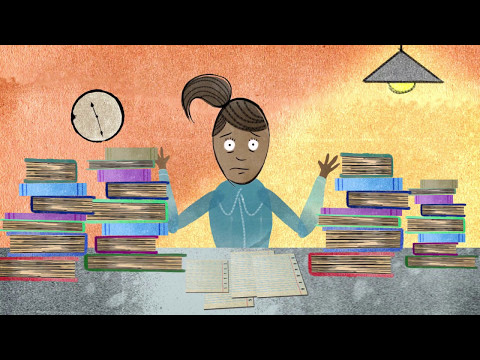
You know that feeling when anxiety just creeps up on you? One minute you’re chilling, and the next you’re spiraling into a worry rabbit hole. It can be so overwhelming.
But here’s the thing. You don’t have to stay stuck in that anxious loop. Seriously! There are some pretty cool psychological tricks and tips that can help you find your way back to calm.
Imagine being able to hit pause on those racing thoughts. To feel a little more grounded amidst all the chaos around you. It’s totally possible!
So, let’s chat about some strategies that can bring a bit of peace into your life. Think of this as a friendly guide to finding your chill! Sound good? Cool, let’s get into it!
Navigating the Legal Implications of Mental Health: Understanding the Feeling of Losing Control
Navigating the legal implications of mental health can feel like walking a tightrope. You might be asking yourself: what happens when anxiety or other mental health issues start to affect your daily life? The thing is, losing control can lead to some pretty tricky situations, both personally and legally.
When you think about losing control, it often ties back to feelings of anxiety or overwhelm. Imagine you’re at work, and deadlines are piling up. You feel your heart racing and your mind racing faster. In that moment, you might fear saying something inappropriate in a meeting. It’s like this weight pressing down on you, making everything feel more intense and unmanageable.
And here’s where it gets complicated. If mental health struggles lead to behaviors that concern others—like erratic actions or not being able to fulfill responsibilities—there could be legal implications. Family members or even employers might step in if they think you’re a risk to yourself or someone else. This can lead to situations where involuntary treatment or guardianship becomes a consideration.
Let’s break it down further:
- Involuntary Treatment: Sometimes, people need help but aren’t able to seek it themselves. This can happen if someone poses a risk due to severe mental distress.
- Workplace Issues: Employers are obligated to ensure safety in the workplace. If anxiety affects your performance significantly, this might raise flags.
- Legal Rights: You generally have rights when it comes to how you’re treated because of your mental health. For instance, involving discrimination laws if you face unfair treatment.
It’s important to recognize that feeling out of control can be daunting but knowing your rights is empowering. Understanding these concepts doesn’t just help you navigate tough times; it’s about giving you a sense of agency amidst chaos.
Also, let’s not forget about support systems! Reaching out for help—whether it’s speaking with friends or seeking out therapists—can provide clarity when things feel overwhelming. Imagine being surrounded by people who care and get where you’re coming from; suddenly the weight lifts just a bit.
So yeah, while legal implications around mental health are nuanced and often intimidating, understanding them is key in reclaiming control over your life and wellbeing. Facing anxiety doesn’t have to mean losing everything; with the right strategies and knowledge, you can start finding that calm amidst the storm!
Understanding the 5 C’s of Anxiety: Key Concepts for Managing Stress and Mental Health
Anxiety can feel like an unwelcome guest at the party of life. While it’s totally normal to feel a bit anxious sometimes, understanding what fuels that anxiety can really help you take control. Enter the 5 C’s of anxiety: **Cognition, Control, Coping, Context**, and **Connection**. Let’s break them down!
Cognition is all about how you think. It’s your mental chatter—the stuff that runs through your mind and shapes how you feel. If you’re constantly thinking «What if this goes wrong?» or «I can’t handle this,» it can crank up your anxiety levels. Those negative thoughts might sound familiar because they often pop up in stressful situations, right? A simple way to manage this is to challenge those thoughts. Ask yourself, “Is this thought really true?” or “What evidence do I have for feeling this way?” Shifting your perspective can help decrease your anxiety.
Next up is Control. The thing here is that sometimes we worry about stuff we can’t influence at all! Imagine you’re preparing for a job interview, but then you stress about whether the interviewer will like you or not. It’s tough because you can’t control their reactions! By focusing on what you *can* control—like preparing answers or dressing appropriately—you ease some of that stress. You see? Taking back control over what’s manageable gives you a sense of empowerment.
Then there’s Coping. This one’s crucial because it involves how we deal with our stressors. Think about it: When things get tough, do you reach for ice cream and binge-watch your favorite show? Or maybe go for a run to clear your head? Constructive coping strategies—like practicing mindfulness or engaging in physical activity—tend to be healthier than avoiding the issue with distractions. It’s about finding ways that work best for *you*.
Now let’s chat about Context. This refers to the environment and situation surrounding your feelings of anxiety. Maybe you’re anxious at work but totally chill at home—or vice versa! Understanding these dynamics can guide how you respond to different environments. For instance, if crowds make you anxious, could limiting those situations help? Or perhaps finding a quiet corner during a social event might ease things? Knowing when and where anxiety hits helps tailor strategies specifically for those settings.
Lastly, don’t underestimate Connection. Humans are social creatures; having support from friends or family can be a game-changer when dealing with anxiety. Just talking it out can bring so much relief! It reminds us we’re not alone in our struggles—everyone has their own hardships. Sometimes all it takes is reaching out to someone who gets what you’re going through.
So there you have it—the 5 C’s of Anxiety laid out in plain language! Understanding these concepts empowers you to navigate through feelings of stress and anxiety better than before. After all, life brings its fair share of challenges; knowing how to handle them makes a big difference in your mental health journey!
Effective Strategies to Immediately Reduce Stress and Anxiety: A Comprehensive Guide
Stress and anxiety can feel like heavy weights dragging you down. It’s like trying to run a marathon while carrying your entire closet with you! But there are some effective strategies that can help lighten that load, and the best part? You can start using them right away. Let’s break it down into bite-sized pieces.
Breathing Techniques
One of the simplest ways to reduce stress is to focus on your breath. When you’re anxious, your breathing tends to become shallow and quick. Try this: take a deep breath in for a count of four, hold it for four, then exhale slowly for another four. Repeat this several times. It’s like hitting the reset button on your mind and body.
Physical Activity
Moving your body is a fantastic way to relieve tension. It doesn’t have to be a full-on workout; even a brisk walk around the block can make a difference. When you exercise, your body releases endorphins—those feel-good chemicals that lift your mood and reduce stress levels drastically.
- Stretching: Simple stretches at your desk or home can ease muscular tension.
- Dancing: Put on your favorite song and let loose! Seriously, move however you want!
- Your favorite sport: Whether it’s basketball or yoga, get active!
Meditation and Mindfulness
Finding just a few minutes in your day for meditation can change how you deal with stress. You don’t need to be an expert; even closing your eyes and focusing on what’s happening around you—like sound or sensation—can ground you in the moment. So find a quiet spot, breathe deeply, and just be there.
Connect with Nature
Ever noticed how calmer you feel after spending time outside? Nature has this incredible ability to soothe our minds. Go for a walk in the park or sit by a river if you’re near one. The sights, sounds, and scents can provide instant relief from whatever’s stressing you out.
Simplifying Tasks
When everything feels overwhelming, take a step back. Break tasks into smaller parts so they don’t feel like climbing Everest! Write down what needs doing—make it as simple as “clean room” rather than “organize whole house.” Celebrate each small win too; it’s all progress!
- Prioritizing: Decide what really needs to get done today.
- Delegating: Don’t hesitate to ask someone for help!
- Saying no: Protecting your time is essential.
Aromatherapy
Scents have an amazing ability to affect our mood. Essential oils like lavender or eucalyptus can help calm the mind when used in diffusers or added to baths. Just one whiff might shift how you’re feeling from chaos to calmness pretty quickly!
A Good Laugh
Laughter truly is medicine! Watch something funny online or reminisce about hilarious moments with friends—it can lighten up stressful situations instantly. Laughter not only boosts morale but also lowers cortisol levels (the stress hormone), which is just awesome!
So next time you’re feeling stressed out or anxious about something—remember these strategies aren’t just fluffy ideas; they’re actual tools you can use right away! Each little step helps create that bubbly sensation of calm inside yourself that we all crave sometimes!
You ever find yourself in a situation where your mind feels like it’s racing a mile a minute? Like you’ve got a million tabs open, and the “anxiety” icon is flashing at you like crazy? Yeah, I’ve been there too. It’s like being caught in a storm where every wave is trying to knock you off balance. So, here’s the thing: cultivating calm isn’t about tossing your anxiety into the ocean and pretending it doesn’t exist. It’s more about finding your little patch of sand on the beach, where you can just breathe.
One way to grab that calm is through mindfulness. Picture yourself sipping coffee and really focusing on that first taste—the warmth, the aroma, the little kick it gives you. When you’re fully present in those moments, it’s kinda hard for anxiety to creep in and mess things up. You’re tuning into what matters right now instead of getting lost in the “what ifs” floating around in your head.
Then there’s breathing exercises. Sounds simple, right? But seriously, taking deep breaths can be a total game changer! When you’re feeling anxious, your body goes into fight-or-flight mode. Breathing deeply sends signals to your brain saying everything’s cool—no need to panic! I remember this one time I was waiting for a big presentation at work. My heart was pounding like crazy! Just taking five minutes to breathe deeply totally helped me chill out and focus.
And let’s not forget about physical activity—a little movement goes a long way! Whether it’s going for a walk or dancing around your living room like nobody’s watching (seriously, try it!), getting those endorphins flowing helps reduce anxiety levels massively. That rush of energy just helps clear out some of that mental clutter.
Another cool trick is journaling; writing down what makes you anxious can be so liberating! Like when I penned my worries about life after college—it turned an overwhelming fog into something tangible that I could actually deal with bit by bit.
Finally, connecting with others is huge too; just talking things out can lighten those heavy feelings. Even if it means chatting with friends over coffee or joining an online group—you’re reminded that you’re not alone in this whole anxiety struggle.
So yeah, cultivating calm definitely takes some practice but it’s totally doable! Every small step adds up. Before you know it, you’ll start noticing those moments of peace breaking through—even during the storms of life.