You know that feeling when someone’s words just hit you like a ton of bricks? Yeah, that gut punch of rejection can sting. It’s rough, right?
Imagine feeling that way all the time. Like, you might not even realize it’s happening to you.
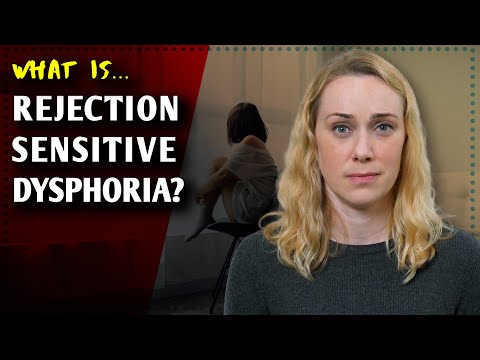
Rejection Sensitive Dysphoria, or RSD for short, is a pretty intense experience for many folks. It’s like your emotional radar is cranked up to eleven!
So if you’ve ever found yourself spiraling after a casual comment or felt crushed by criticism, keep reading. You’re definitely not alone in this one!
Understanding Hypersensitivity to Criticism: The Personality Disorder Behind the Reaction
Hypersensitivity to criticism can really shake you up, right? It’s like you’ve got this emotional radar that picks up even the slightest hint of disapproval. You know, it’s no picnic when every little comment feels like a personal attack.
What’s important to understand here is that this kind of reaction isn’t just about being oversensitive. It might actually relate to a thing called Rejection Sensitive Dysphoria (RSD). This isn’t an official personality disorder itself, but it’s often linked with conditions like ADHD and can play a huge role in how people experience criticism.
So, what does RSD look like? Imagine you’re in a meeting at work. Your boss suggests that your last project could use some tweaks. For most people, this would be just feedback. But for someone with RSD, it feels like they’ve been hit by a tidal wave of emotions—shame, anxiety, maybe even anger. They internalize it and suddenly question their entire worth.
Here’s the kicker: people with hypersensitivity often have a history of emotional trauma or rejection. Maybe they faced harsh criticism growing up or were bullied at school. These experiences can set the stage for an intense fear of rejection later on.
Let me break down some key signs that someone might be dealing with this hypersensitivity:
- Extreme reactions: They may cry or lash out when receiving feedback.
- Avoidance: They might steer clear of situations where they could face judgement.
- People-pleasing behavior: Constantly trying to meet others’ expectations to avoid criticism.
- Pervasive feelings of inadequacy: No matter what they do, they feel it’s not good enough.
- Anxiety or depression: These feelings can develop as a response to chronic fear of disapproval.
It’s not easy living with hypersensitivity. You might feel isolated or misunderstood because others don’t see what you’re dealing with internally. Instead of getting defensive about constructive feedback, deep down you wish for acceptance and understanding.
But here’s something uplifting: understanding these patterns is the first step towards managing them better! Recognizing your triggers can help reduce the emotional fallout from criticism. You don’t have to walk on eggshells—you can work on building resilience over time.
Learning strategies to cope is super important too! Techniques like mindfulness and self-compassion can make a world of difference in how you process feedback without feeling crushed by it.
So next time someone gives feedback, try taking a deep breath first. Remind yourself that no one is perfect, and learning from our mistakes is part of being human. You’re not alone in this journey!
Understanding the Key Differences Between HSP and RSD: A Comprehensive Guide
Sure, let’s break this down into something easy to digest. You’ve probably heard of HSP (Highly Sensitive Person) and RSD (Rejection Sensitive Dysphoria), but they’re not the same, even if they do overlap a bit. Let’s get into it!
What is HSP?
Being a Highly Sensitive Person means you experience the world with more intensity. It’s like having your emotional and sensory channels turned up to eleven. You might feel overwhelmed by loud noises, bright lights, or even intense emotions from others. If you’re an HSP, you probably notice the subtle things that others may miss—like the twitch of someone’s eyebrow or the mood in a room.
Key traits of HSPs include:
- You feel emotions deeply, often experiencing them more intensely.
- You have strong reactions to external stimuli like noise or crowds.
- You need more downtime to recharge after social situations.
Now, let’s shift gears a bit.
What is RSD?
Rejection Sensitive Dysphoria isn’t about being sensitive to all sensations; it’s more focused on emotional pain stemming from perceived rejection or criticism. If you’ve got RSD, you might find yourself feeling exceptionally hurt when someone critiques your work or even just doesn’t seem interested in what you say. It can lead to intense feelings of shame and sadness.
Key characteristics of RSD include:
- A severe emotional reaction to perceived rejection.
- A constant fear of being judged or criticized.
- You may avoid situations where rejection feels possible.
So what happens when these two meet?
Where they intersect:
Both HSPs and folks with RSD are sensitive—just in different ways. An HSP might feel deeply hurt by criticism due to their heightened sensitivity to emotions in general. On the other hand, someone with RSD focuses mainly on feelings related to rejection and may have a harder time bouncing back from those specific feelings.
Let’s say you’re at work. If your boss gives feedback that isn’t entirely positive:
– An **HSP** might feel overwhelmed by their emotions and struggle with anxiety because they sense everyone else’s reaction too.
– A person with **RSD**, however, might spiral into self-doubt and feel like their worth is destroyed simply because they feared rejection.
In essence, both groups can experience emotional turmoil but for different reasons. Knowing these differences can be super helpful for understanding yourself or someone close who relates to either side.
To wrap it up: HSP is about overall sensitivity, while RSD zooms in on issues around rejection. Understanding these nuances can guide how we react in various emotional situations—whether we’re helping ourselves or supporting others!
Understanding Rejection Sensitive Dysphoria: A Comprehensive Guide to Testing and Assessment
So, let’s talk about something that can really hit home for a lot of people: **rejection sensitive dysphoria (RSD)**. If you’ve ever felt like you’re on an emotional rollercoaster after a comment or a slight from someone, you might be familiar with this feeling. Basically, RSD is that intense emotional pain you feel when you think you’ve been rejected or criticized. It goes way beyond just feeling sad; it can make your heart race and your brain go into overdrive.
**Recognizing Symptoms**
Understanding the symptoms of RSD is key. Here are some signs to look out for:
Let’s say your buddy jokes about how bad your singing is during karaoke night. For most people, it’s just a laugh. But if you have RSD, that simple comment can feel like a punch to the gut and leave you questioning your worth for days.
**Testing and Assessment**
If you’re wondering how to figure out if you’re dealing with RSD, there are no fancy tests out there specifically for it. Instead, professionals usually rely on interviews and questionnaires focusing on emotional experiences. They look at:
You might think talking about this sounds pretty straightforward; but in reality, opening up about how much rejection affects your emotions can be tough.
**Navigating Life with RSD**
Living with RSD means constantly working through those highs and lows. It’s not just about identifying feelings but also figuring out coping mechanisms that work for you. Some people find it helpful to:
For example, if someone consistently makes snarky remarks at work and it’s getting under your skin, maybe opting not to sit near them during meetings could help create some space.
It’s essential to remember that grappling with RSD doesn’t mean you’re “weak” or “overly sensitive.” The emotions are real and they matter! Recognizing them is a huge step toward understanding yourself better and improving your relationships along the way.
So there it is! A look at **rejection sensitive dysphoria**—what it feels like, how it shows up in life, and ways to manage those tricky feelings when they arise.
So, rejection sensitive dysphoria, or RSD for short, can really mess with your head. It’s like having this emotional radar that goes haywire whenever you feel even a hint of rejection. You might be sitting in a meeting, sharing your ideas, and then someone gives you that look—or worse, they dismiss what you said. Suddenly, it feels like a punch in the gut, right? It’s so intense that it might send you spiraling into self-doubt.
I remember a time in school when I turned in an assignment I was super proud of. It was my best work yet! But when the teacher handed it back with a couple of corrections marked up in red ink, I was crushed. Instead of focusing on the feedback to make my work better, all I could think about was how I had failed. It felt like my whole world had collapsed because I couldn’t shake off the sting of feeling less than perfect.
For folks dealing with RSD, it’s not just about feeling rejected like everyone else might from time to time; it’s more pronounced and often leads to anxiety or depression. So here are some symptoms to watch for if you think this might hit close to home: extreme emotional reactions to criticism or perceived rejection—like crying or even lashing out—or that nagging fear of being judged by others.
There’s also this desire to avoid situations where rejection could happen at all—ever try backing out of social events just because you’re worried about how you’ll fit in? Yeah, that’s part of it too.
What’s tricky is recognizing these feelings as part of RSD rather than as just personal shortcomings. We’re all human and it’s totally normal to feel hurt sometimes! But if those feelings get so strong that they start interfering with relationships or daily life, well… that’s when understanding what RSD is can be helpful.
So if you’ve been feeling overwhelmed by emotional reactions or constantly worried about how others perceive you, know you’re not alone. Even recognizing those patterns can be the first step toward finding some relief from the pain of rejection—even if it feels super tough at times! It’s okay to feel deeply; just remember there’s strength in acknowledging those feelings without letting them define who you are.