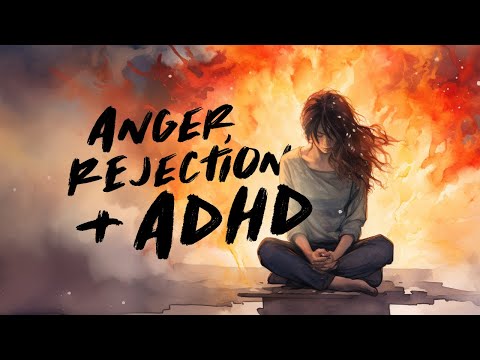
You know that feeling when your heart drops a little? Like when someone doesn’t text back or skips your invite? Yeah, that’s rejection sensitivity for you.
It’s that nagging fear of being let down or left out. But here’s the thing: it affects more people than you think. Some folks feel it like a gentle breeze, while others, well, it hits like a brick.
So, what is this rejection sensitivity all about? Why does it mess with our heads? And how do we even figure out where we fit on that spectrum?
In this piece, we’re gonna break it down and chat about a tool to help assess it—kind of like a friendly checkup for your feelings. Curious? Let’s dive in!
Optimizing Online Psychological Evaluations: A Comprehensive Guide to Assessing Rejection Sensitivity
Optimizing Online Psychological Evaluations: Assessing Rejection Sensitivity
Rejection sensitivity is this emotional radar many people have, where they’re super tuned in to potential rejection. It’s like having an antenna that picks up signals of disapproval or dismissal, even when they might not be there. When someone is high in rejection sensitivity, even small things can feel like a personal jab. For example, if a friend doesn’t text back right away, it might trigger a spiral of thoughts about how they don’t want to hang out anymore. Kind of intense, huh?
So what’s the deal with assessing this online? First off, you need to create an environment that feels safe and comfortable for the person taking the evaluation. Trust is key. If they don’t feel at ease, chances are they won’t be totally honest about their feelings and experiences.
Here are some ways to optimize those online assessments:
- Clear Instructions: Make sure participants know exactly how the assessment works. Clear guidelines help reduce anxiety and set expectations.
- Anonymity Matters: Offering anonymous evaluations can encourage people to share more openly about their feelings concerning rejection.
- User-Friendly Design: Create an interface that’s simple and intuitive. If the layout is confusing or cluttered, it can lead to frustration.
- Use Real-Life Scenarios: Incorporate items that relate closely to actual social situations. This helps individuals connect their own experiences with the assessment content.
- Pacing: Allow for breaks if needed. It’s important for participants not to feel rushed while reflecting on sensitive topics.
- Diverse Question Formats: Mixing multiple-choice with open-ended questions can capture different aspects of rejection sensitivity. Some will prefer expressing thoughts in their own words!
Another thing worth mentioning is feedback after the assessment. Providing participants with constructive insights based on their scores can guide them on what steps to take next—like seeking support or developing coping strategies.
Now let’s think about what happens after collecting responses. You want to analyze them effectively! Using statistical methods properly ensures you get reliable results and makes sense of patterns relating to rejection sensitivity.
And look, you don’t want just numbers; qualitative data from open-ended questions can bring depth! Pay attention here because sometimes it’s those individual stories that paint a fuller picture of someone’s experience with rejection.
Finally, as you’re optimizing these evaluations, remember: each person’s journey with rejection sensitivity is unique. Tailoring your approach could mean adjusting assessments based on demographics or specific environments people are coming from—like school settings vs workplace scenarios.
In short, assessing rejection sensitivity through online psychological evaluations isn’t just about gathering data; it’s about creating a meaningful experience that respects individuals’ emotional landscapes while ensuring you’re getting accurate insights into their feelings around rejection. So yeah, approaching this optimally makes all the difference!
Comprehensive Guide to Assessing Rejection Sensitivity: Free Psychological Evaluation Tool
Rejection sensitivity is like having a radar that picks up on potential rejection signals. If you’re someone who feels extra anxious about being rejected, you might be experiencing high levels of this sensitivity. It can show up in various ways, like hesitating to speak up in class or avoiding social situations altogether, just because you’re afraid of judgment or not fitting in.
What Is Rejection Sensitivity?
Basically, it’s all about how strongly you react to the idea of being rejected. Some people are more attuned to signs of rejection and may react with intense emotions like sadness or anger when they think someone might be dismissing them. This can affect relationships and even your mental health.
When you assess rejection sensitivity, you’re looking at how this pattern affects your day-to-day life. A psychological evaluation tool can help with understanding your feelings better and seeing where these sensitivities stem from.
Key Points on Assessing Rejection Sensitivity:
- Self-Reflection: Start by thinking about past experiences where you’ve felt rejected. Did it feel like a small bump in the road or a massive blow? Your answer can reveal a lot.
- Questionnaires: There are questionnaires designed specifically for measuring rejection sensitivity. These often include scenarios that ask how you might react if someone dismisses your ideas.
- Your Reactions: Pay attention to how you respond to criticism or perceived slights. Do you brush it off easily? Or do you find yourself dwelling on it for days?
- Pattern Recognition: Look for patterns in your social interactions. Are there specific situations where you’re more likely to feel rejected? Identifying these can help pinpoint areas for improvement.
Now, think back to a time when maybe a friend didn’t invite you out, and instead of just letting it go, you found yourself spiraling into thoughts about what they really thought of you—it felt bigger than it needed to be, right? That’s classic rejection sensitivity at play.
If you’re using an evaluation tool, it’s not just about scoring high or low; it’s about gaining insight into your emotional world. A lot of us don’t realize how deeply these feelings affect our everyday interactions until we stop and really look at them.
When done right, assessing rejection sensitivity doesn’t have to be daunting. It’s more like peeling back layers—only instead of onions making you cry, you’re uncovering insights into your emotional reactions and interpersonal dynamics.
In short, understanding rejection sensitivity through assessment tools helps create space for growth in personal relationships and self-perception. And let’s face it: who wouldn’t want to navigate their social world with a bit more confidence? So take a step back from the overwhelming emotions sometimes—it could really help clarify things!
Downloadable 18-Item Rejection Sensitivity Questionnaire PDF for Impactful Self-Assessment
The concept of **rejection sensitivity** is super interesting and plays a big role in our emotional lives. It’s basically how strongly you react to the idea of being rejected. Think about it: you might feel anxious if someone doesn’t text you back right away, or maybe you overanalyze your friend’s tone when they say «sure» to your invitation. Sound familiar?
The **Rejection Sensitivity Questionnaire (RSQ)** is a tool designed to help you figure out just how sensitive you are to rejection. This questionnaire consists of specific statements where you’ll reflect on your feelings and reactions related to perceived rejection. By answering these questions, you’ll get a clearer picture of your own emotional patterns.
Now, let me break down some key points about this questionnaire:
- Structure: The RSQ typically has around 18 items. You rate each one based on how much it applies to you.
- Self-Assessment: When you complete the questionnaire, it gives insight into your thoughts and feelings concerning rejection.
- Outcomes: Higher scores can indicate greater sensitivity, which might cause more anxiety or fear in social situations.
- Uses: This information can be useful for personal growth or understanding relationship dynamics better.
Let’s say your results show a high level of rejection sensitivity. You might find yourself often worrying about what others think of you or feeling really hurt by criticism. On the flip side, if your score is lower, maybe you’re more comfortable handling social interactions without overthinking every little thing.
It’s kind of like getting a snapshot of your emotional landscape regarding rejection—helpful if you’re looking to work on building resilience or improving relationships! Just imagine knowing that you’re more likely to retreat from friends because you’re afraid they’ll ditch you. That realization could inspire some changes!
There are downloadable versions of the RSQ available online in PDF format for self-assessment purposes too! Some people prefer having a physical copy they can fill out while sipping coffee—you know? Whatever works best for you.
Overall, using the Rejection Sensitivity Questionnaire can be an eye-opening experience. It’s like holding up a mirror and seeing parts of yourself that may be holding you back in life without even realizing it! So next time you’re stressed about fitting in or worried about someone’s opinion, think about what those results might mean for how you’ve been feeling.
Rejection sensitivity, huh? It’s this emotional quirk that a lot of us carry around without even realizing it. So, basically, it’s like having a heightened awareness and fear of rejection or criticism from others. You know when you send a text to a friend and they don’t reply right away? If you find yourself spiraling into thoughts like, “They must not like me anymore,” or “I said something wrong!”—that’s rejection sensitivity creeping in.
A few years back, I had this friend who would always get anxious in group settings. If someone made a joke at their expense—even if it was totally light-hearted—they’d suddenly shut down. I remember one time at a party, someone teased them about their choice of music. Instead of laughing along, my friend just went quiet and left the room after not long. It was eye-opening because that moment showed how rejection can feel like a punch to the gut for some folks.
So when we talk about assessing rejection sensitivity as a psychological tool, it’s kind of critical. This evaluation helps people uncover their emotional patterns and understand why they might react intensely in certain situations. The cool thing is that once they realize this pattern exists, it can lead to some major breakthroughs! Imagine figuring out that your overreactions are tied to something deeper; that realization could really shift your perspective.
Now, assessments usually take the form of questionnaires or conversations where you reflect on past experiences. They might ask things like how you feel when someone doesn’t return your smile or how you react when your partner is running late without texting. It’s raw stuff! It’s not just about identifying the sensitivity itself but also understanding its roots—childhood experiences or past relationships often play into it.
But here’s the catch: it’s super important not to let these labels define who you are. Just because you’re sensitive doesn’t mean you’re weak or need to change entirely. It’s more about knowing yourself better so you can manage those feelings when they bubble up.
In short, assessing rejection sensitivity isn’t just some dry psychological exercise—it’s an opportunity for self-discovery and growth. Realizing why certain moments hit harder than others can empower you to respond differently in the future. And who knows? Maybe you’ll start laughing at those awkward moments instead of feeling crushed by them! You follow me?