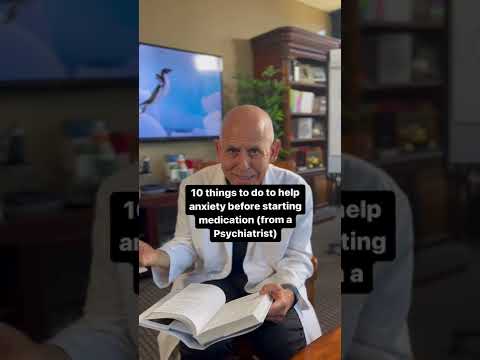
You know that feeling when your brain just won’t shut up? Yeah, anxiety is like that annoying friend who never leaves the party. It can be exhausting and really overwhelming.
Sometimes, you might feel like you’re stuck in a loop of worries. And it’s tough! We’ve all been there. I mean, who hasn’t tossed and turned at night replaying a conversation or stressing about the future?
But here’s the good news! There are some pretty cool psychological approaches out there to help calm those racing thoughts. Seriously, it’s not all about breathing exercises and yoga mats—although those can help too!
In this chat, we’ll explore some ways to tackle that pesky anxiety beast. So grab your favorite snack and let’s get into how you can find a little more peace of mind!
Effective Home Remedies for Managing Anxiety: Natural Solutions You Can Try
Anxiety can feel like a storm inside your head, making everyday moments seem overwhelming. You know, that anxious feeling creeping up when you’re waiting for an important call or about to give a presentation? It hits hard. But hey, there are some natural remedies you can try at home that might help ease that tension.
Herbal Teas are super popular. Chamomile and lavender teas are known for their calming effects. Imagine cozying up with a warm cup of chamomile after a long day; the scent and warmth can really soothe your nerves. You could try sipping on it in the evening as part of your wind-down routine.
Deep Breathing Exercises work wonders too! Just take a moment to focus on your breath—inhale deeply through your nose for four counts, hold it for four, and then exhale slowly through your mouth for six counts. It’s like giving yourself a little reset button when anxiety spikes up.
Another remedy is essential oils. Lavender oil is often recommended because its soothing scent can promote relaxation. You could place a few drops in your diffuser or even inhale directly from the bottle if you need an instant calm boost.
Then there’s the power of exercise. It doesn’t have to be anything super intense; even a brisk walk around the block can release those feel-good endorphins and clear your mind. I remember taking walks during stressful times—it really helped me think things through, you know?
You might also want to consider mindfulness meditation. This practice involves paying full attention to the present moment without judgment. Just find a quiet spot, sit comfortably, and focus on your breath or surroundings. When those anxious thoughts pop up, just notice them without getting caught up in them.
Aromatherapy takes it another step forward by using smells to affect mood and emotions. Scents like bergamot and ylang-ylang are said to lift spirits while calming anxiety too.
Lastly, writing things down is surprisingly effective! Keeping a journal allows you to express what’s buzzing around in your mind instead of bottling it all up inside. You’d be surprised how much lighter you feel once those thoughts are on paper.
All these remedies don’t work overnight—like any good relationship, they take time! But incorporating some of these into your daily life could help create more peaceful moments amidst the chaos of anxiety. It’s about finding what resonates with you personally and making little changes until they add up to something significant over time!
Effective Strategies to Overcome Overthinking and Achieve Mental Clarity
Overthinking can be such a tricky beast. You know the feeling? You’re lying in bed, and your mind just won’t shut up. It jumps from one worry to another like a kid on a sugar rush. But there are effective strategies to help you calm that swirling storm and find some mental clarity.
First off, let’s talk about mindfulness meditation. This isn’t just for hipsters or yoga enthusiasts! It’s about focusing on the present moment. Even if it’s just for five minutes, try sitting quietly and pay attention to your breathing. Feel your chest rise and fall. When thoughts drift in, just notice them without judging yourself. It’s like watching clouds pass by in the sky—temporary and not something you have to hold onto.
Then there’s written expression. Keeping a journal can help you process what’s bouncing around in your head. Just grab a pen or open an app, and write down whatever comes to mind—no filters! It could be worries about work, relationships, or even what you’re having for dinner. Getting it out on paper helps clear those mental clutter rapidly.
Another practical strategy? Set aside «worry time.» This might sound a little odd, but hear me out! Allocate 15–30 minutes each day dedicated solely to thinking about your worries. When you feel anxious during the day, tell yourself: “I’ll think about this later.” It creates a boundary so you don’t spiral into overthinking all day long.
Also important is getting that body moving! Seriously, get your heart rate up—whether it’s jogging, dancing around to your favorite tunes, or even doing some stretches in your living room. Exercise releases endorphins that make you feel good and helps reduce anxiety levels overall!
Don’t forget about deep breathing exercises. This one can work wonders when you’re feeling overwhelmed. Just take a slow breath in through your nose for four counts, hold for four counts, then breathe out through your mouth for six counts. Repeat this several times until you feel that sweet calm wash over you.
And here’s something many people overlook: talking it out. Sometimes sharing what’s going on in our heads with friends or family can be super helpful! They might offer new perspectives or solutions you’ve never thought of—and who doesn’t like venting sometimes?
Lastly—I’d say maintain good sleep hygiene! Lack of sleep amplifies overthinking like nothing else. Create a calming bedtime routine: dim the lights, read a book (something light!), or listen to soothing sounds before crashing into those cozy sheets.
In summary:
- Mindfulness meditation
- Written expression
- Set aside «worry time»
- Exercise regularly
- Deep breathing exercises
- Talk things out with someone
- Create good sleep hygiene habits
So remember that overcoming overthinking takes practice and patience—it doesn’t happen overnight! Try incorporating these strategies into your daily life; they can really help clear up the foggy mess in your mind and bring back some peace of mind whenever life’s worries start piling up again.
Effective Strategies to Alleviate Anxiety Attacks: Proven Techniques for Immediate Relief
Alright, let’s talk about anxiety attacks. They can feel like you’re stuck in a tornado of panic, right? Your heart races, palms sweat, and suddenly it feels pretty tough to breathe. But don’t worry, there are some effective strategies to help you calm down and find relief when those intense moments hit.
Breathing Techniques are a go-to for managing anxiety right on the spot. One popular method is the 4-7-8 technique. Here’s what you do: inhale slowly through your nose for 4 seconds, hold that breath for 7 seconds, and then exhale through your mouth for 8 seconds. It’s like hitting a reset button for your nervous system. You get back in control—trust me!
Grounding Exercises also work wonders when anxiety creeps in. Try the 5-4-3-2-1 strategy: identify 5 things you can see around you, 4 things you can touch, 3 things you can hear, 2 things you can smell (or remember the scent of), and finally one thing you can taste (or remember the taste of). This helps pull you back from that whirlwind and re-establishes your connection with reality.
Progressive Muscle Relaxation is another handy technique. The idea here is simple: tense and then relax different muscle groups throughout your body. Start with your toes—tens them up tight for a few seconds before letting them go completely. Move up through your legs, abdomen, arms, all the way to your face. It sounds silly but seriously helps release built-up tension!
You might find that mindfulness meditation is super useful too! This isn’t just sitting cross-legged on a mat; it’s more about being present in the moment without judging whatever thoughts pop into your head. Even just setting aside a few minutes to focus on your breathing or observe what’s around you can help ease those anxious feelings.
Talking It Out might seem too simple, but it works! Sometimes sharing how you’re feeling with someone—a friend or family member—can provide huge relief. You might feel understood just by voicing those feelings out loud.
If you’re feeling overwhelmed often enough that these techniques don’t quite cut it anymore, looking into talking to a professional might be worth exploring down the road.
The thing is: anxiety attacks are tough! But having these strategies at hand can make all the difference during those moments when it feels like everything’s closing in around you.
You’re not alone in this struggle; many people experience anxiety attacks from time to time! Remember to take it slow and be kind to yourself as you navigate through these feelings.
Anxiety can be such a pesky companion, right? It creeps in when you least expect it—maybe during a big presentation or that awkward conversation at a party. You know the feeling: heart racing, palms sweaty, and your mind racing even faster. So, calming that whirlwind of thoughts can be super important.
One approach that often pops up is mindfulness. It’s all about being present in the moment without judgment. Like, instead of worrying about what might happen next week, you focus on your breath right here and now. A friend of mine once shared how she started to notice her surroundings—like the sound of birds or the way sunlight filters through the trees—and it made a huge difference for her. She felt more grounded and less caught up in those anxious spirals.
Then there’s cognitive behavioral therapy (CBT). This one’s pretty cool because it helps you recognize those negative thought patterns that fuel anxiety. You know how sometimes you blow things out of proportion? CBT encourages you to challenge those thoughts. So if you’re suddenly convinced you’ll fail at something, it helps you look at evidence to counter that fear. I remember when I was stressed about an upcoming exam—I kept thinking I’d bomb it—but then I looked back at how well I’d done before and realized I had what it takes.
Even simple breathing exercises can work wonders! Deep breathing gets your body to chill out by signaling to your brain that it’s not under threat anymore. Imagine being stuck in traffic, feeling that anxiety bubble up—you take a few deep breaths and suddenly things don’t seem so dire anymore.
And hey, don’t forget about physical activity! Seriously, moving your body releases those feel-good endorphins and clears your headspace. Whether it’s a quick jog or just dancing around your living room, getting active can help lift some of that weight off your shoulders.
It’s kind of wild how many ways there are to soothe an anxious mind—like playing with different tools to find what clicks for you. Everyone’s journey is unique; some techniques may resonate more than others. The key takeaway is finding what helps YOU feel more centered amidst life’s chaos, so when anxiety knocks at the door (because let’s face it, it probably will), you’ve got some strategies under your belt to deal with it better.